


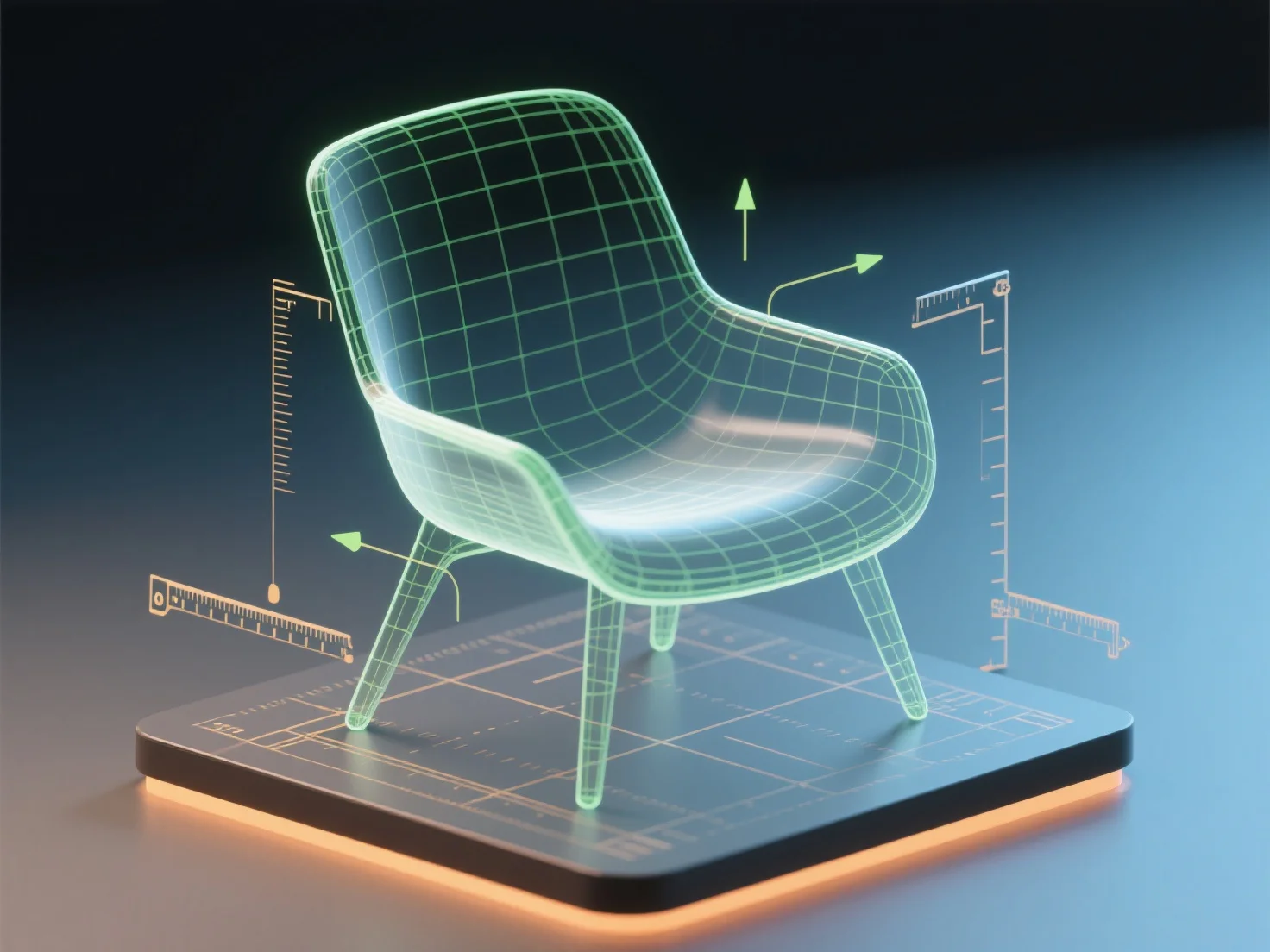
Model 3D mengevaluasi estetika dan daya tarik produk dengan mensimulasikan prototipe, memvisualisasikan detail desain, dan menguji konteks dunia nyata, memungkinkan umpan balik dan penyempurnaan yang efisien.
- **Visualisasikan detail desain**: Mereka mensimulasikan prototipe fisik untuk menampilkan bentuk, warna, dan tekstur, memungkinkan penilaian harmoni visual, proporsi, dan konsistensi gaya tanpa membuat sampel fisik. - **Uji konteks dunia nyata**: Menempatkan model di lingkungan virtual membantu mengukur bagaimana produk terlihat dalam skenario penggunaan aktual, mencerminkan persepsi konsumen secara akurat. - **Memfasilitasi umpan balik**: Menghasilkan rendering memungkinkan umpan balik pengguna awal, membuatnya lebih mudah untuk menyesuaikan elemen estetika dan meningkatkan daya tarik.
Secara keseluruhan, model 3D mempermudah evaluasi dengan mengintegrasikan visualisasi, pengujian konteks, dan umpan balik, memastikan produk memenuhi tujuan estetika secara efektif.