


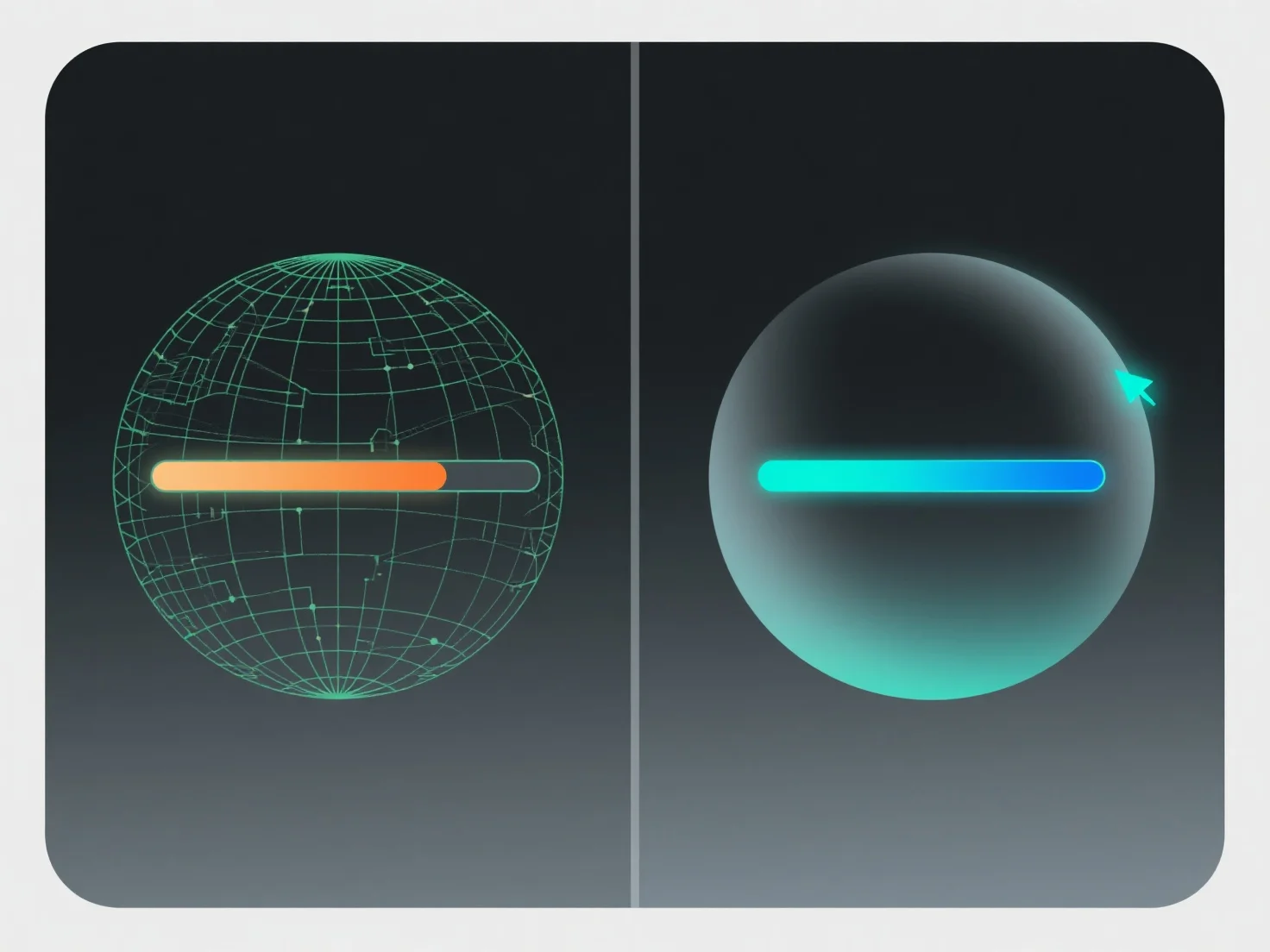
L'optimisation du modèle réduit directement le temps de rendu 3D en minimisant les exigences de calcul grâce à des éléments de modèle rationalisés.
Simplifier la géométrie, comme réduire le nombre de polygones, supprime les sommets et les faces redondants, réduisant ainsi le volume de données que le moteur de rendu doit traiter.
Comprimer les textures ou utiliser des cartes de plus faible résolution réduit l'utilisation de la mémoire et le temps de transfert de données, accélérant ainsi le chargement des textures et leur application pendant le rendu.
Éliminer les détails inutiles.
Ensemble, ces optimisations allègent la charge de travail de rendu, rendant le processus plus rapide et plus efficace.