


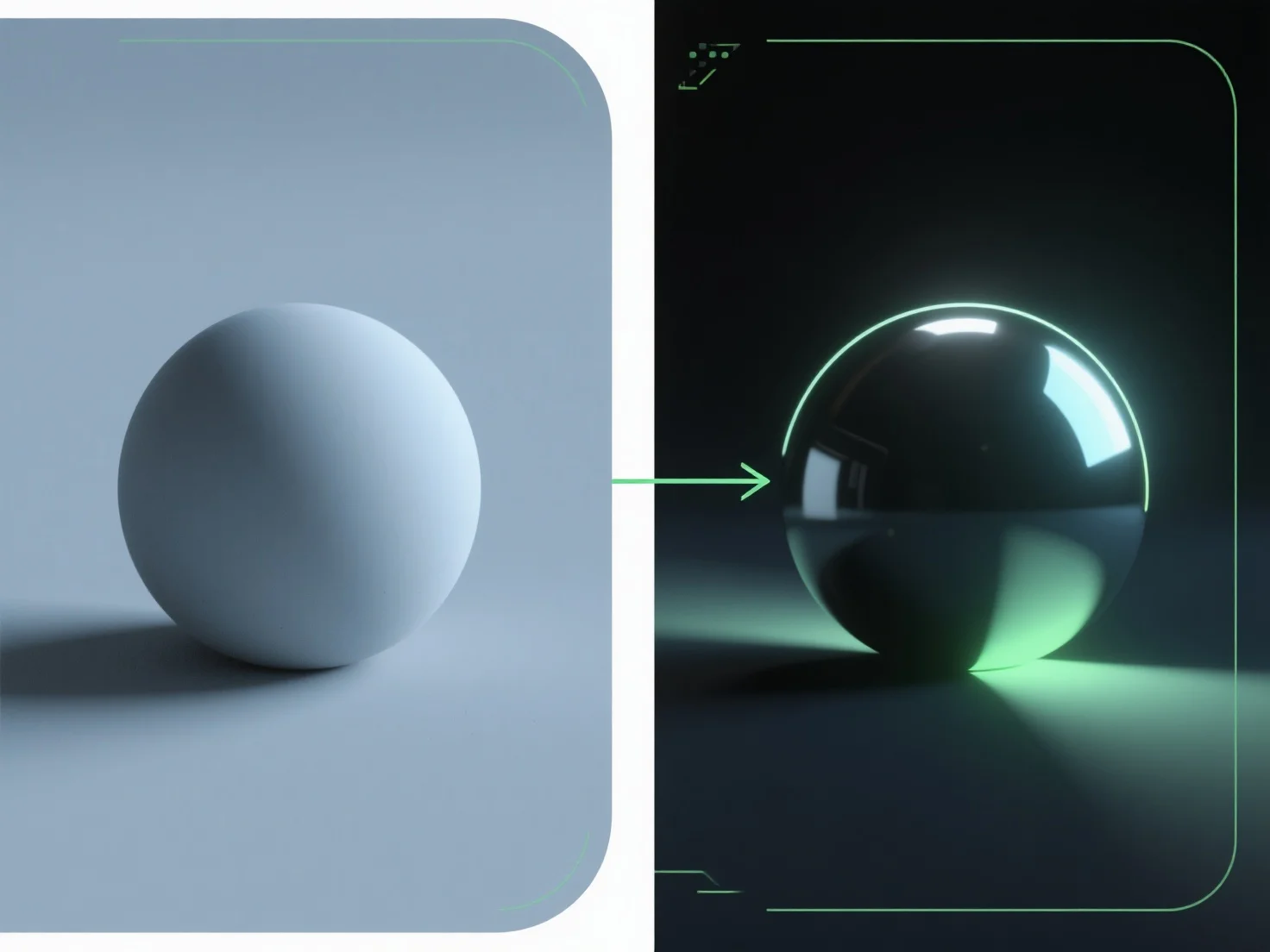
Le rendu est le processus général de création d'images 2D à partir de modèles 3D, tandis que le lancer de rayons est une technique de rendu spécialisée qui simule les chemins de la lumière pour générer des visuels réalistes.
Le rendu englobe toutes les méthodes permettant de convertir des données 3D en images visualisables, y compris des approches courantes telles que la rasterisation. Le lancer de rayons, en tant que sous-ensemble du rendu, fonctionne en traçant les rayons de lumière de la caméra vers les sources de lumière, imitant avec précision les effets d'éclairage du monde réel tels que les ombres, les reflets et les réfractions.
Dans les applications, les techniques de rendu varient selon les besoins : la rasterisation priorise la vitesse pour des utilisations en temps réel comme les jeux, tandis que le lancer de rayons est choisi pour des visuels réalistes et de haute qualité dans les films ou les images statiques.