


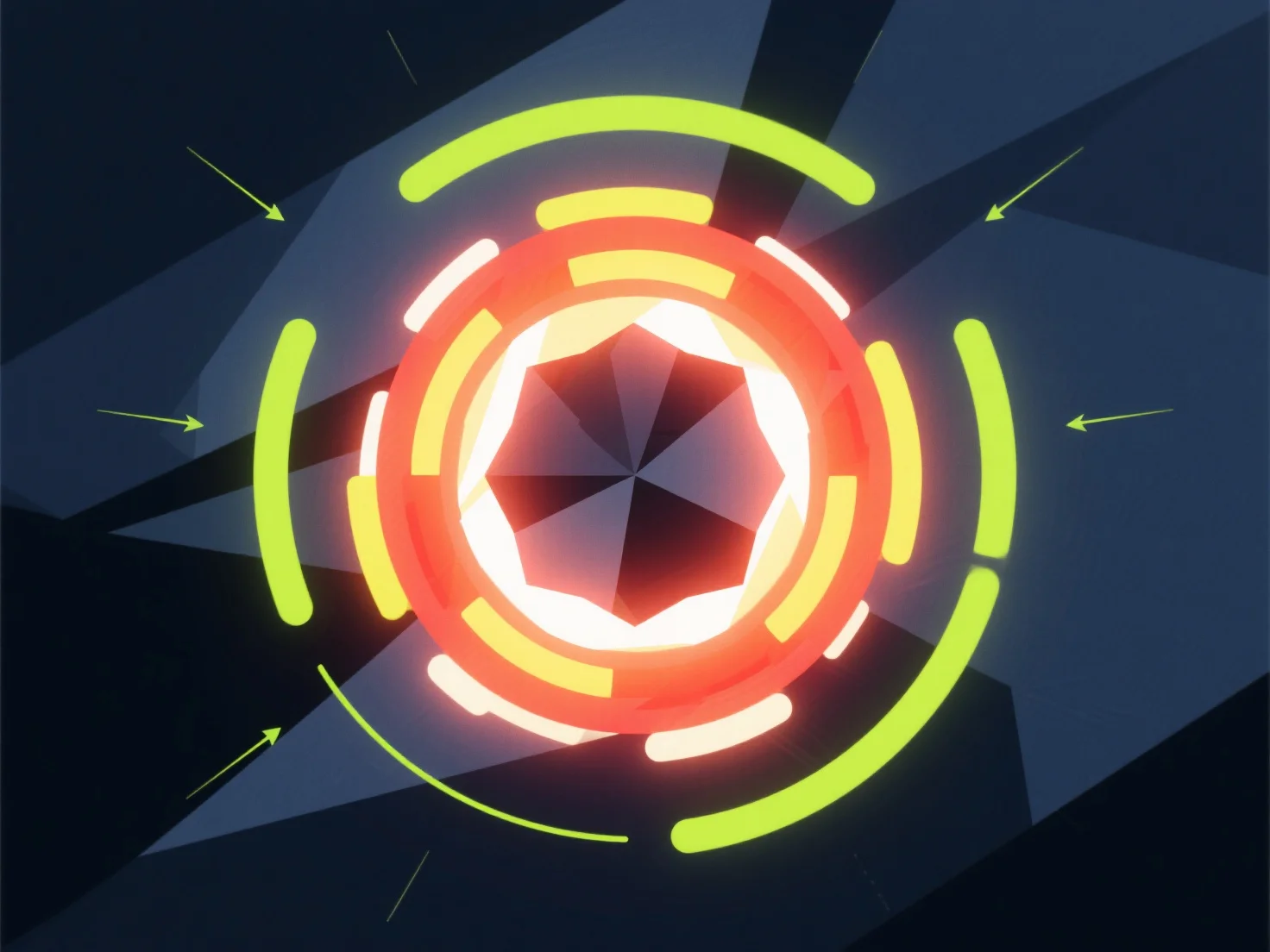
Le rendu 3D de Bloom est un effet visuel qui simule la diffusion naturelle de la lumière intense, créant un halo doux et lumineux autour des sources de lumière brillantes ou des objets. Cet effet est obtenu grâce à un processus en plusieurs étapes.
Tout d'abord, isolez les zones lumineuses : Identifiez et séparez les régions de l'image rendue avec une luminosité élevée, telles que les sources de lumière ou les surfaces réfléchissantes.
Ensuite, floutez les zones lumineuses : Appliquez un floutage (souvent un floutage gaussien) à ces régions isolées pour imiter la façon dont la lumière se disperse dans l'atmosphère, en adoucissant les bords et en répartissant la lumière.
Enfin, fusionnez avec l'image originale : combinez les régions lumineuses floues de nouveau avec l'image originale, en les mélangeant pour produire l'effet caractéristique de lueur.
Ce processus améliore le réalisme en reproduisant la perception par l'œil humain de la lumière vive, rendant les scènes 3D plus immersives.