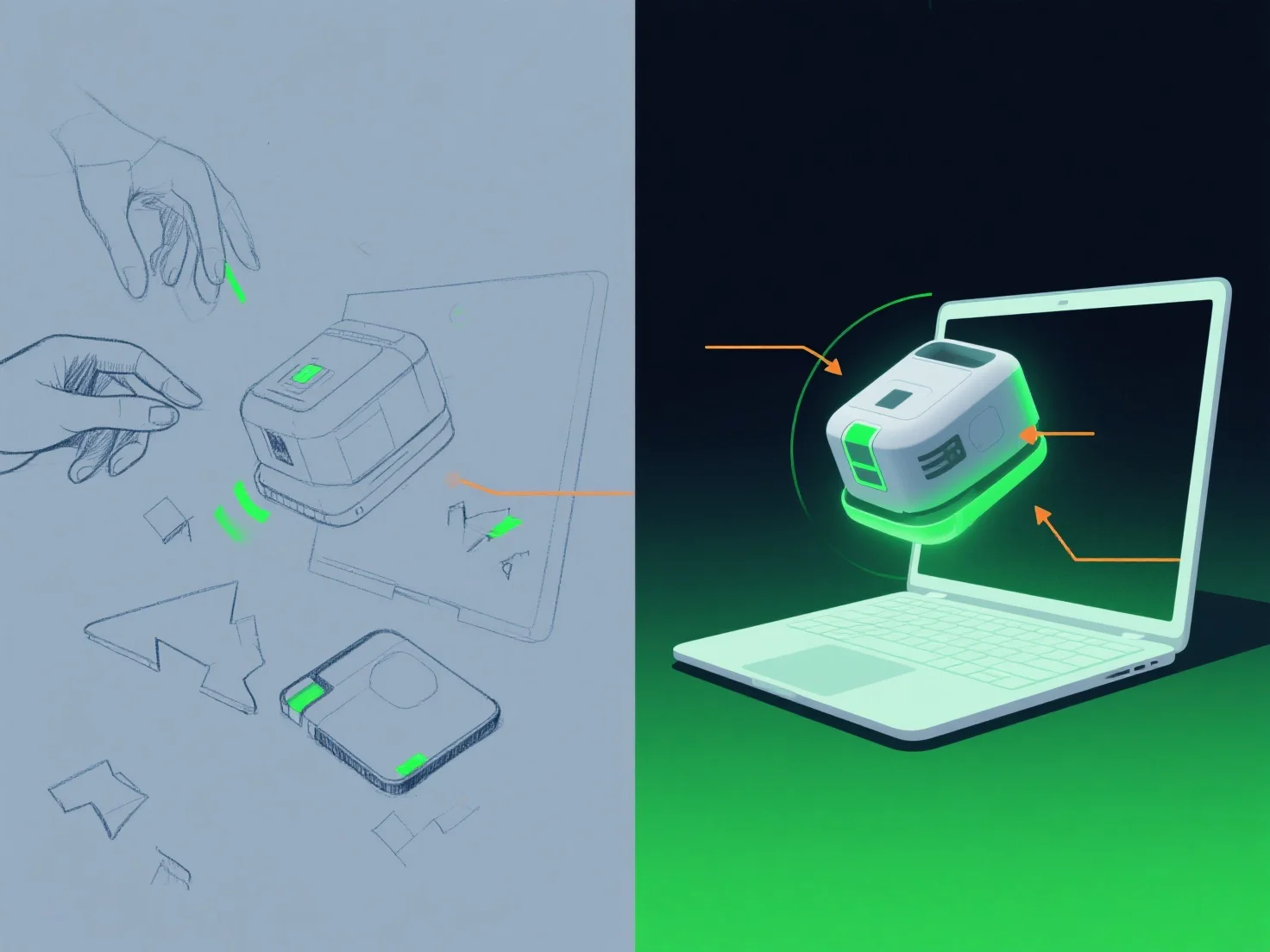
La modélisation 3D dans la validation précoce accélère l'évaluation de la conception en visualisant les concepts et en détectant les défauts avant le prototypage physique, réduisant ainsi les coûts et le temps d'itération. Elle transforme les idées abstraites en modèles 3D tangibles, rendant l'intention de conception plus claire pour que les équipes et les parties prenantes puissent les examiner en collaboration. Elle permet d'identifier rapidement les problèmes structurels, fonctionnels ou dimensionnels via des simulations, évitant ainsi des corrections coûteuses après la création du prototype physique. Elle soutient les tests rapides de la faisabilité de la conception, tels que l'ajustement, l'assemblage ou les performances, sans avoir besoin de matériaux physiques. Dans l'ensemble, la modélisation 3D simplifie la validation précoce en améliorant la clarté, en réduisant les risques et en optimisant l'utilisation des ressources dans le processus de conception.


Quels avantages la modélisation 3D offre-t-elle dans la validation à un stade précoce ?
La modélisation 3D simplifie la validation précoce de la conception en visualisant les concepts, en détectant les défauts et en réduisant les coûts et le temps d'itération.