


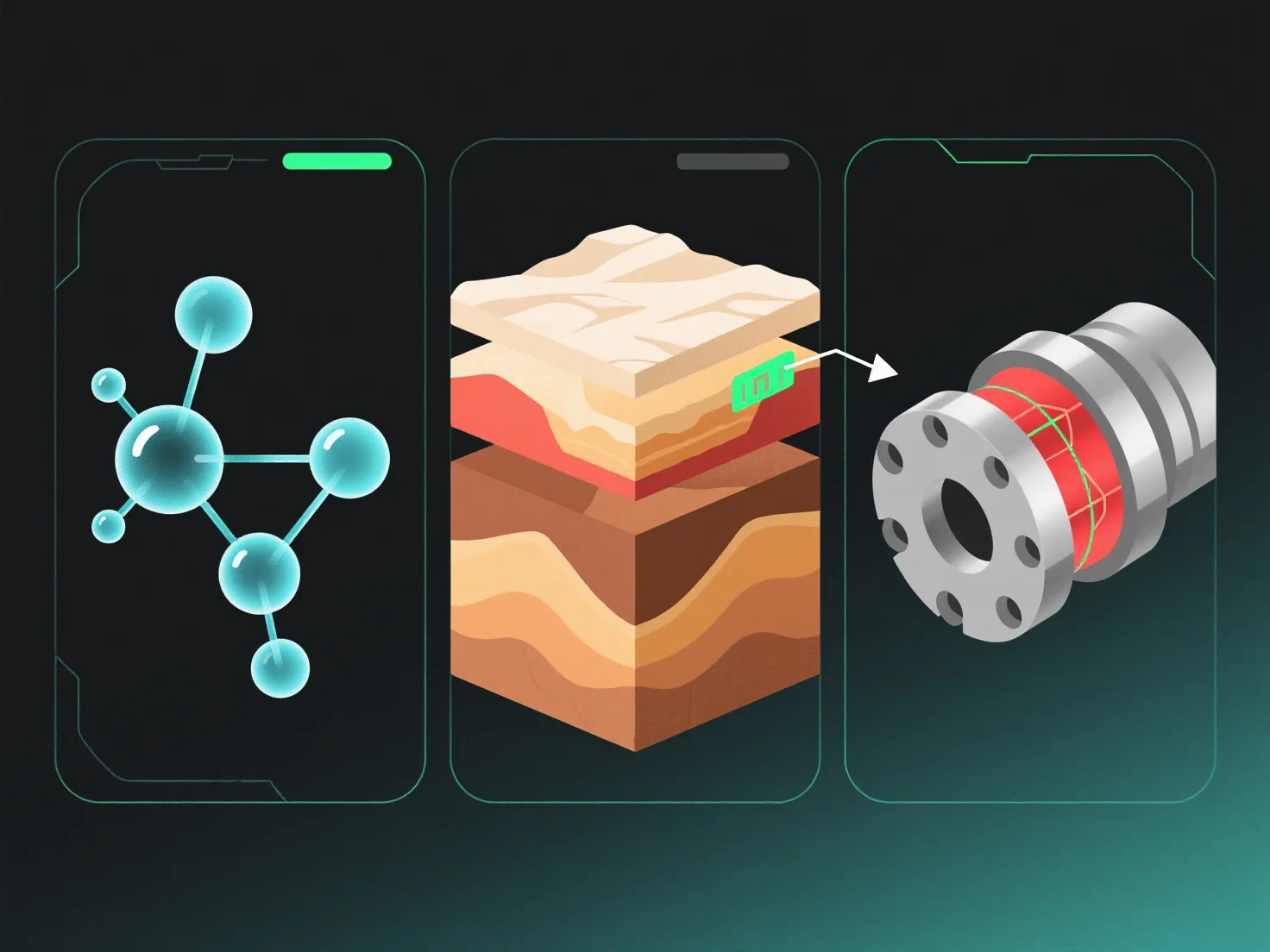
Les applications typiques de la modélisation 3D dans la recherche scientifique comprennent la visualisation de structures complexes, la simulation de processus dynamiques et la possibilité d'une analyse collaborative.
Il transforme des données abstraites en représentations 3D tangibles, améliorant ainsi la compréhension et la communication des découvertes par les chercheurs grâce à un rendu et une visualisation détaillés.
Les principales applications dans différentes disciplines : - Biologie : Modélisation de structures moléculaires (par exemple, des protéines) ou de systèmes d'organes pour étudier les interactions et les fonctions. - Géologie : Reconstitution de terrains, de formations rocheuses ou de structures sous-terraines pour analyser les processus géologiques. - Archéologie : Restauration numérique d'artefacts ou de sites antiques pour la préservation et une étude détaillée. - Physique : Simulation de collisions de particules ou de dynamique des fluides pour tester des hypothèses et prédire les résultats. - Sciences du climat : Création de modèles 3D de systèmes météorologiques, de glaciers ou de cycles du carbone pour étudier les impacts du changement climatique.
Pour les nouveaux chercheurs, des outils open-source comme Blender offrent un point de départ pratique pour explorer la modélisation 3D dans leur domaine.