


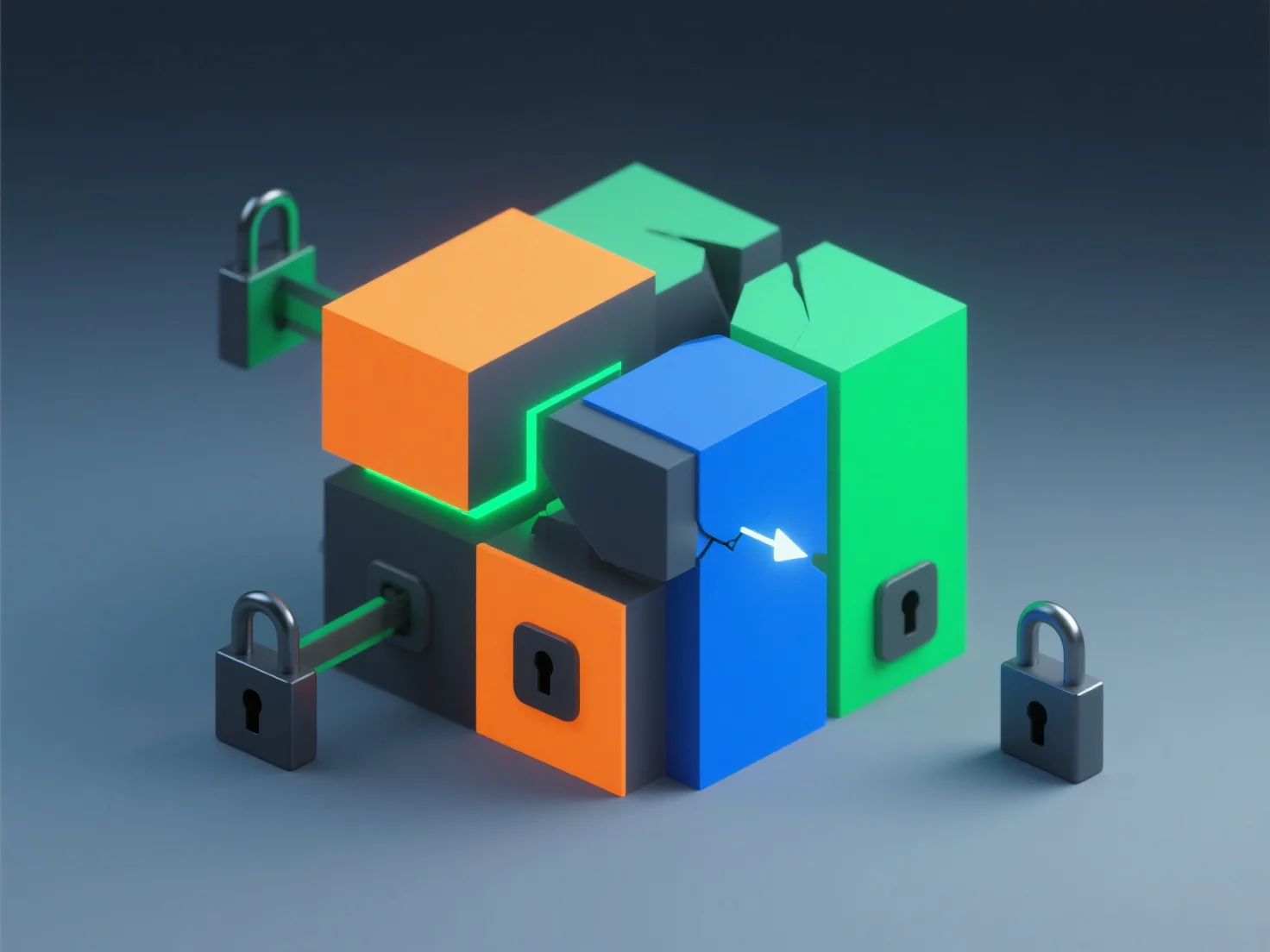
Les principaux risques des normes propriétaires dans les flux de travail 3D incluent le verrouillage fournisseur, une interopérabilité limitée et une potentielle inaccessibilité des actifs, réduisant la flexibilité et augmentant les coûts à long terme.
- **Verrouillage fournisseur** : S'appuyer sur les normes propriétaires d'un seul fournisseur limite la possibilité de passer à d'autres outils, créant une dépendance qui peut augmenter les coûts de licence ou de mise à niveau au fil du temps. - **Barrières d'interopérabilité** : Les formats fermés entravent le transfert de données entre différents logiciels 3D, nécessitant des outils de conversion supplémentaires et provoquant souvent des pertes de données (par exemple, textures, animations) pendant les transferts. - **Vulnérabilité des actifs** : Si un fournisseur met fin au support de son format propriétaire, les actifs existants peuvent devenir inaccessibles, risquant ainsi la perte permanente d'œuvres 3D précieuses.
Pour atténuer ces risques, sauvegardez régulièrement les actifs dans des formats ouverts et largement pris en charge tels que OBJ ou glTF.