Accueil/Hitem3D FAQ/What are the key differences in texture and material handling between real-time and offline rendering?

What are the key differences in texture and material handling between real-time and offline rendering?

Real-time rendering prioritizes speed with simple textures/materials; offline, detail/accuracy with complex ones.

What are the key differences in texture and material handling between real-time and offline rendering?

Real-time and offline rendering differ in texture and material handling by prioritizing speed/simplicity versus detail/accuracy, respectively.

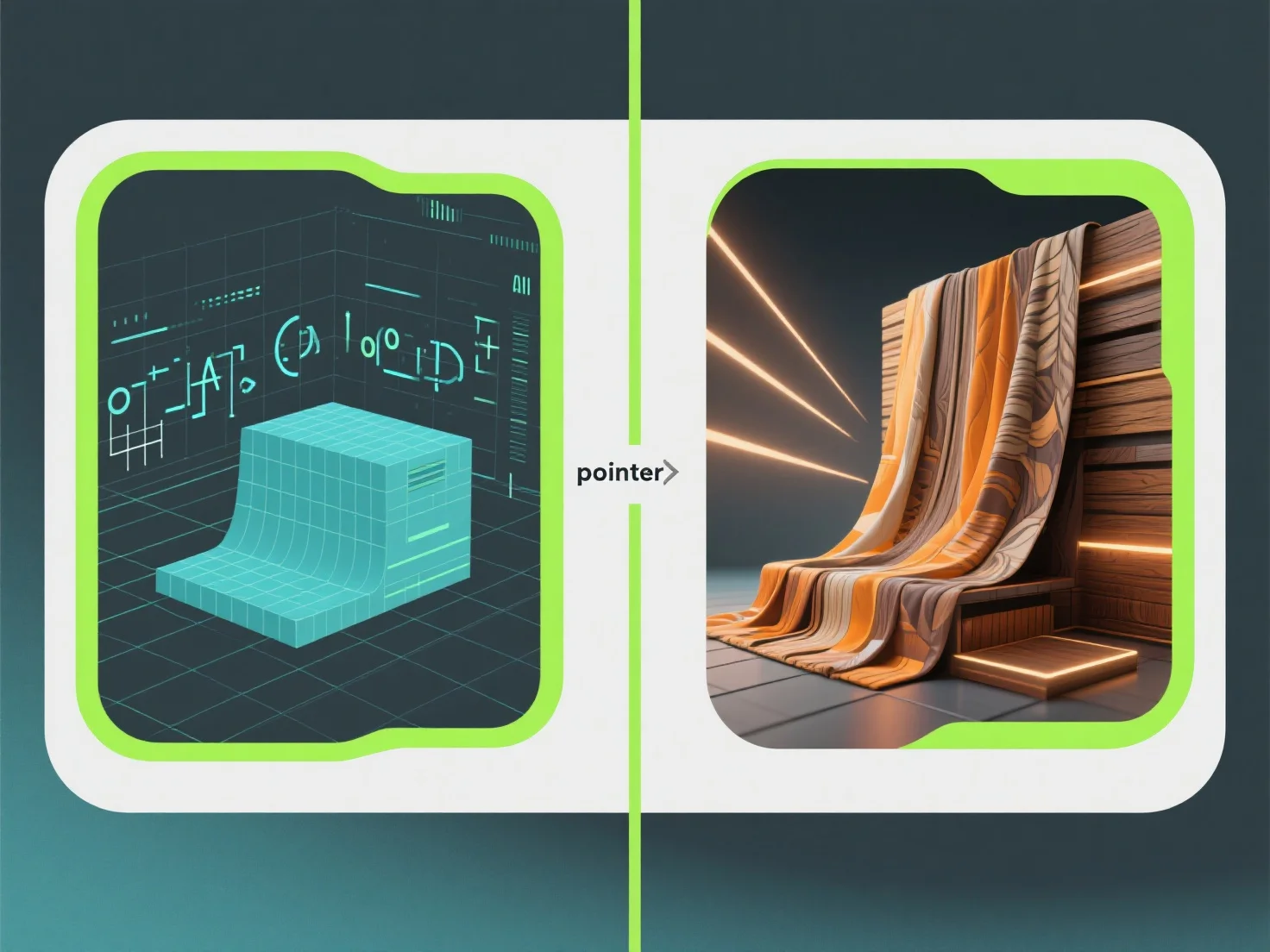
Real-time rendering focuses on speed for interactive use (e.g., games). It uses compressed or low-resolution textures and simplified material models (e.g., basic PBR shaders) to ensure quick processing, limiting complexity to meet frame rate demands.

Offline rendering, unconstrained by real-time speed (e.g., for film/animation), prioritizes detail. It employs high-resolution textures, multi-layered materials, and complex light interactions (e.g., subsurface scattering, accurate reflections) to achieve realistic results, with rendering time being secondary.

PrécédentSuivant
Produit
Studio Web
Plateforme API
Fonctionnalités
Image vers 3D
Multi‑vue vers 3D
Relief
Segmentation
Modèles
Modèle général
Modèle portrait
Ressources
Blog
FAQ
Docs API
À propos
Tarifs