


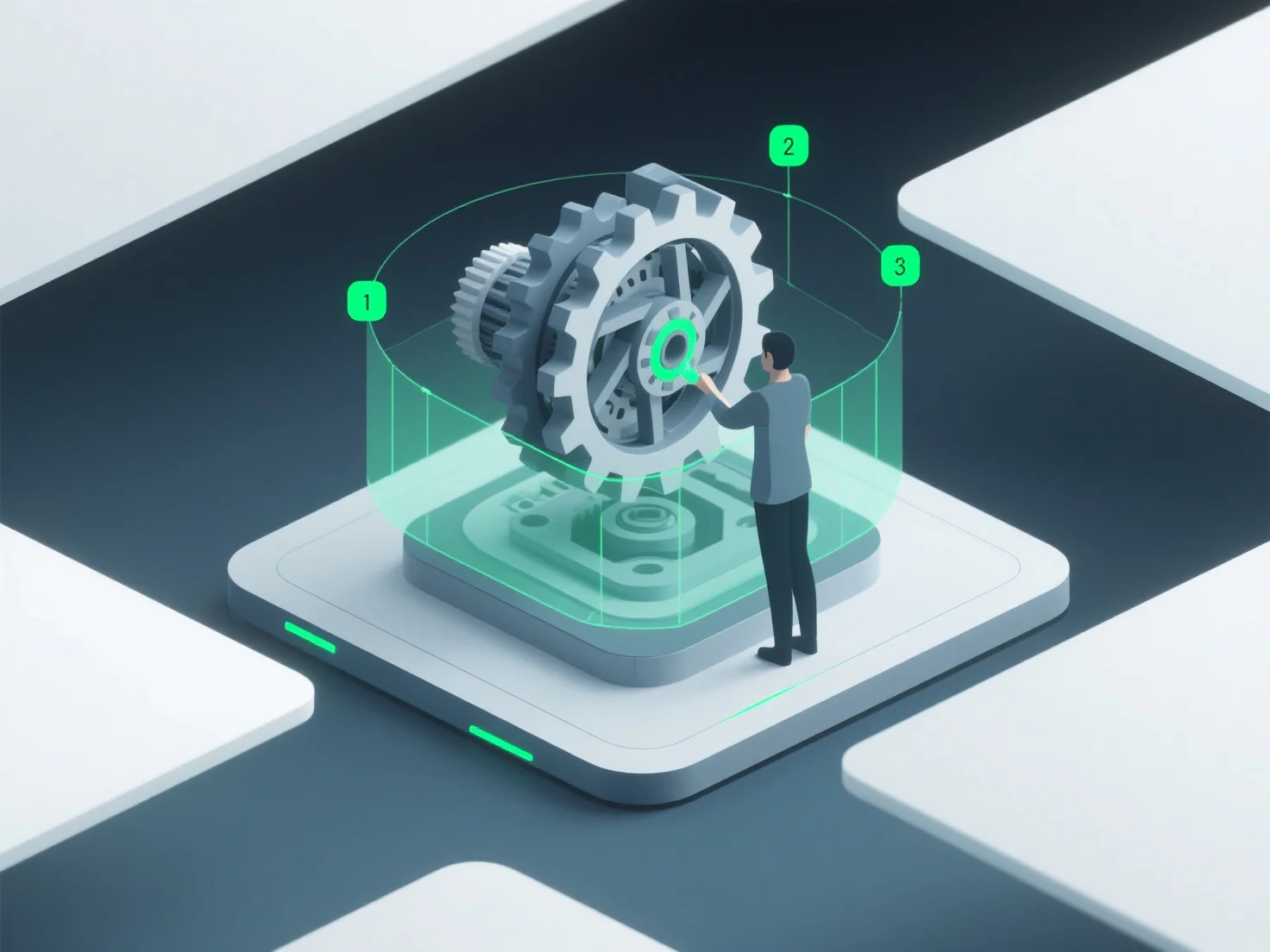
Les approches d'implémentation standard pour le contenu de formation 3D incluent généralement une conception modulaire, une simulation interactive et une narration basée sur des scénarios.
La conception modulaire divise le contenu en modèles et modules 3D réutilisables, simplifiant les mises à jour et améliorant l'évolutivité.
La simulation interactive exploite la 3D en temps réel (RT3D) pour permettre aux utilisateurs de manipuler des objets ou des environnements, stimulant ainsi l'engagement dans l'apprentissage pratique.
La narration basée sur des scénarios crée des scénarios 3D réalistes.
Pour commencer, clarifions les objectifs de l'entraînement.