


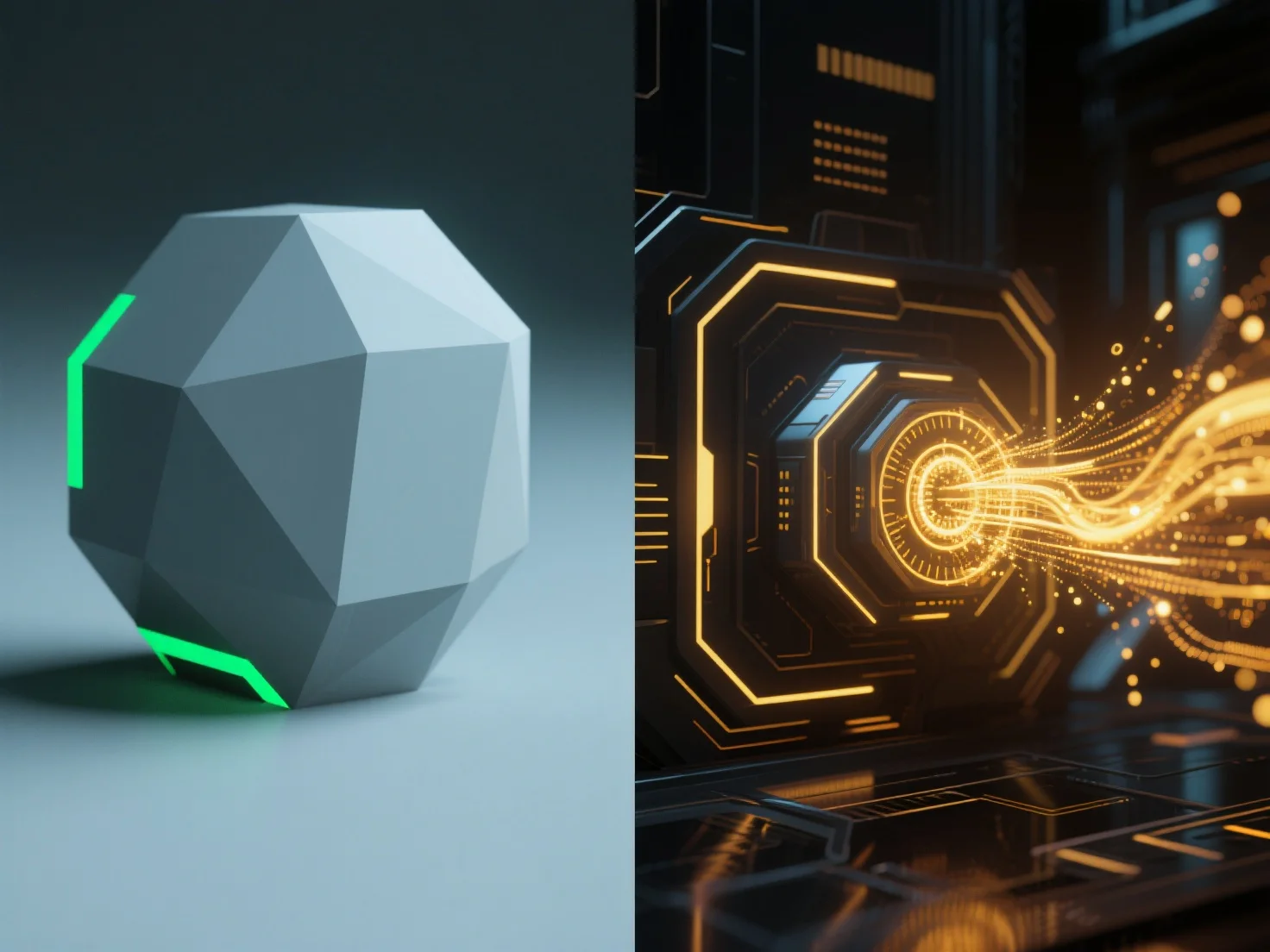
La technologie de rendu en temps réel évolue grâce à des mises à niveau matérielles, à l'intégration de l'IA et à l'innovation logicielle, améliorant ainsi la fidélité visuelle et les performances pour des applications telles que les jeux et la production virtuelle.
Les principales avancées incluent : - Des GPU de nouvelle génération avec des cœurs de traçage de rayons et une bande passante mémoire plus élevée, permettant un éclairage complexe et des textures haute résolution. - Des outils d'IA tels que l'upscaling neuronal et le débruitage en temps réel, réduisant le temps de rendu tout en améliorant la clarté des images. - Des moteurs avancés.
Ces améliorations équilibrent des graphismes de haute qualité et des taux d'images fluides, faisant du rendu en temps réel une pierre angulaire pour des expériences immersives.