


La modélisation 3D est largement utilisée dans l'éducation et la formation pour créer des outils d'apprentissage interactifs et visuels qui améliorent la compréhension de concepts complexes grâce à des expériences immersives.
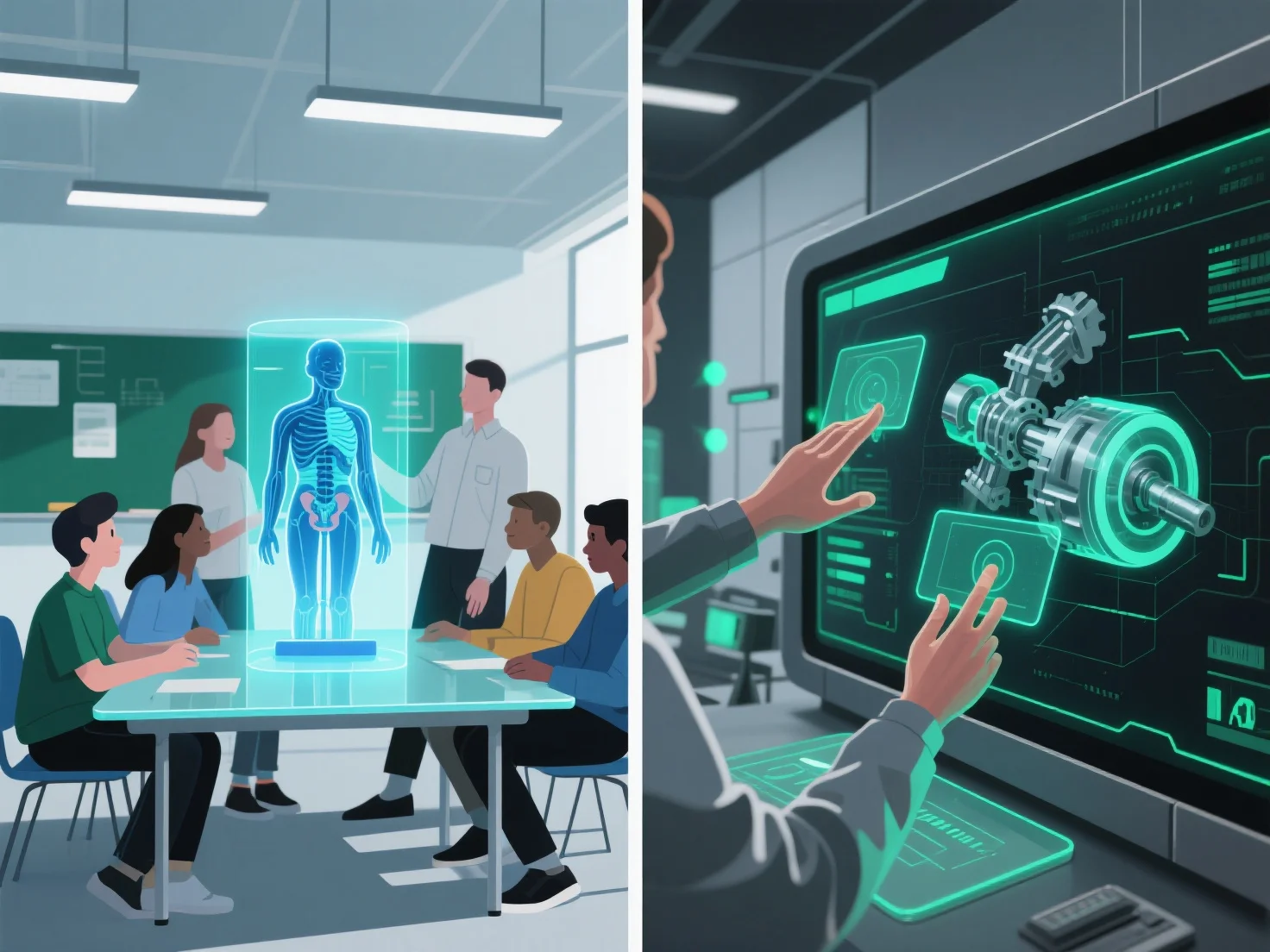
Dans l'enseignement de la biologie, les modèles anatomiques en 3D présentent de manière vivante les structures des organes et les relations spatiales, rendant l'anatomie abstraite tangible pour les étudiants, qui peuvent ainsi explorer des détails tels que les couches de tissus ou les connexions entre les organes.
Dans la formation en ingénierie, les modèles de pièces mécaniques en 3D permettent un démontage et un assemblage simulés, permettant aux apprenants de pratiquer des opérations en toute sécurité, de manière répétitive et sans les contraintes des équipements physiques.
En géographie ou en histoire, les modèles de terrain 3D ou de sites historiques aident à visualiser les formes de relief, les architectures anciennes ou les processus géologiques, transformant les descriptions statiques des manuels en un contenu dynamique et engageant.
Ces applications stimulent l'engagement dans l'apprentissage, améliorent la rétention des connaissances et simplifient les sujets complexes. Les éducateurs peuvent utiliser des outils 3D conviviaux pour développer des modèles personnalisés adaptés aux besoins du cours, améliorant ainsi l'efficacité de l'enseignement.