


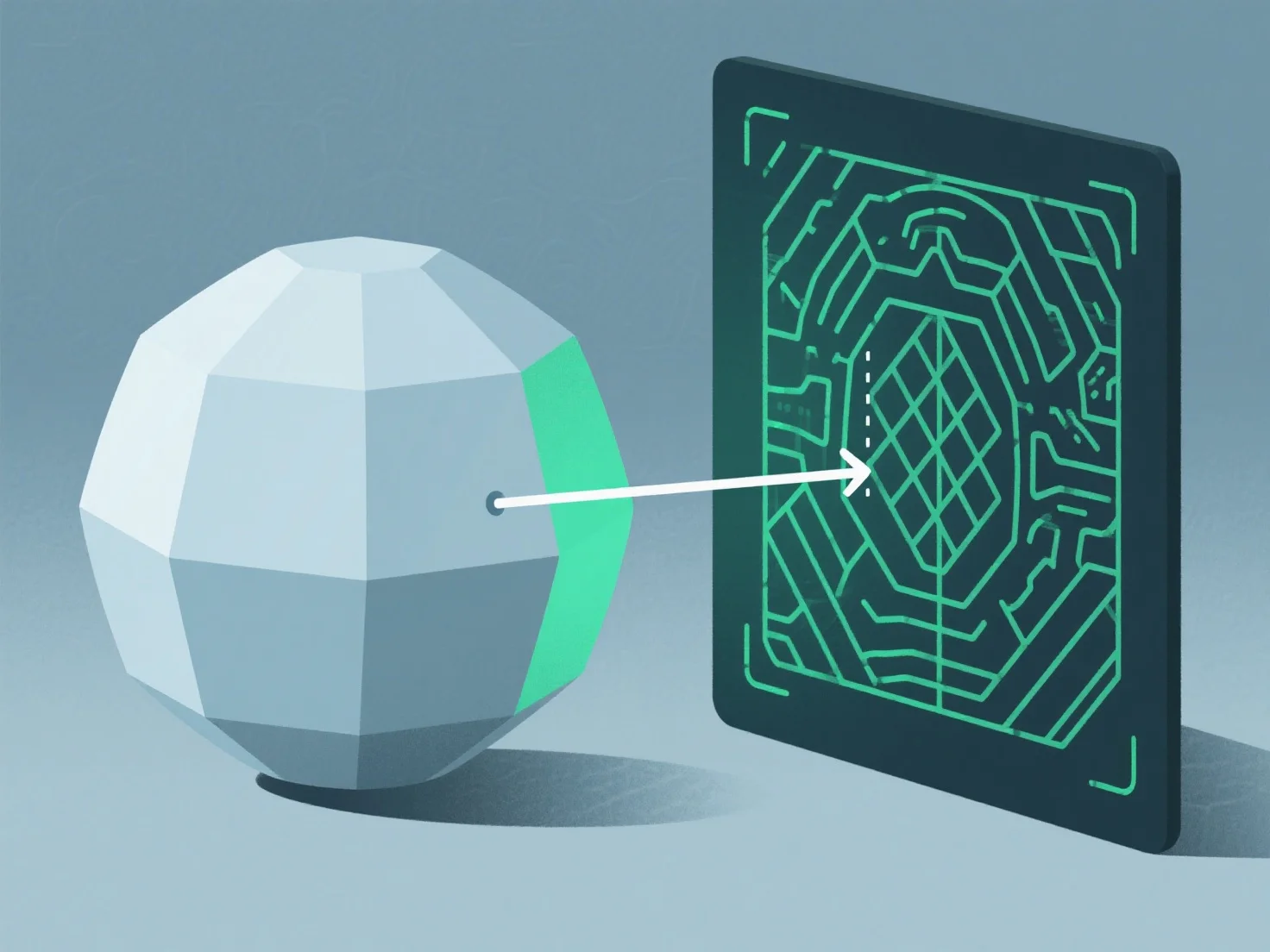
La cartographie UV est essentielle pour l'apparence finale des modèles 3D, car elle définit la manière dont les textures 2D sont projetées avec précision sur les surfaces 3D, servant de pont entre les images de textures 2D et la géométrie 3D.
- Prévient la distorsion : Il garantit que les textures (par exemple, motifs, logos) ne s'étirent pas ou ne se floutent pas, tout en maintenant des proportions naturelles et un aspect réaliste. - Aligne les détails : Il fait correspondre les éléments de texture avec la forme du modèle, tels que les tissages de tissus sur les vêtements ou les grains de surface sur les produits, pour un placement précis des détails. - Améliore la cohérence : Il crée une application uniforme des textures sur tout le modèle, évitant les coutures mal alignées et rendant les rendus plus soignés.
En bref, une cartographie UV appropriée assure que les textures s'intègrent naturellement, en évitant les distorsions et en alignant les détails, ce qui est la clé d'une apparence finale réaliste et visuellement cohérente des modèles 3D.