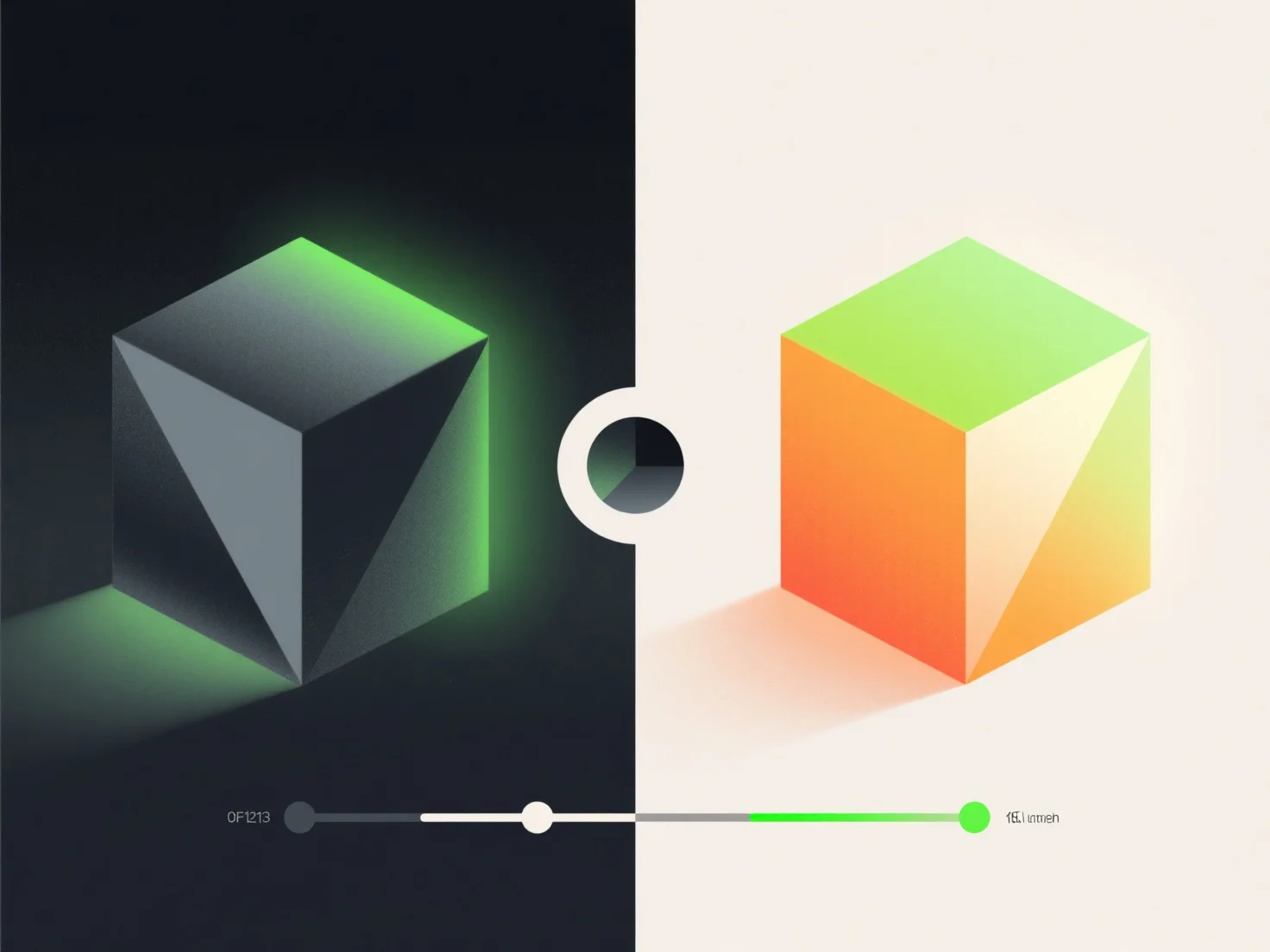
Dans le rendu 3D, l'exposition affecte directement l'éclairage en contrôlant la luminosité globale de la scène, en déterminant la quantité de lumière capturée et affichée dans l'image finale. Cela fonctionne de manière similaire à la photographie, en équilibrant l'intensité de la lumière, la sensibilité du capteur (par exemple, l'ISO) et le temps d'exposition pour éviter les zones surexposées (trop claires) ou sous-exposées (trop sombres), en s'assurant que les détails des zones lumineuses et ombrées restent visibles. Lors de l'ajustement de l'exposition, commencez par des réglages modérés et peaufinez-les en fonction des sources de lumière de la scène. Cela aide à maintenir un équilibre naturel de l'éclairage sans perdre les détails de la texture.


Comment le concept d'« exposition » affecte-t-il l'éclairage dans le rendu 3D ?
Dans le rendu 3D, les contrôles d'exposition régulent la luminosité de la scène, en équilibrant la lumière pour préserver les détails dans les zones d'ombre et de lumière, similairement à la photographie.