


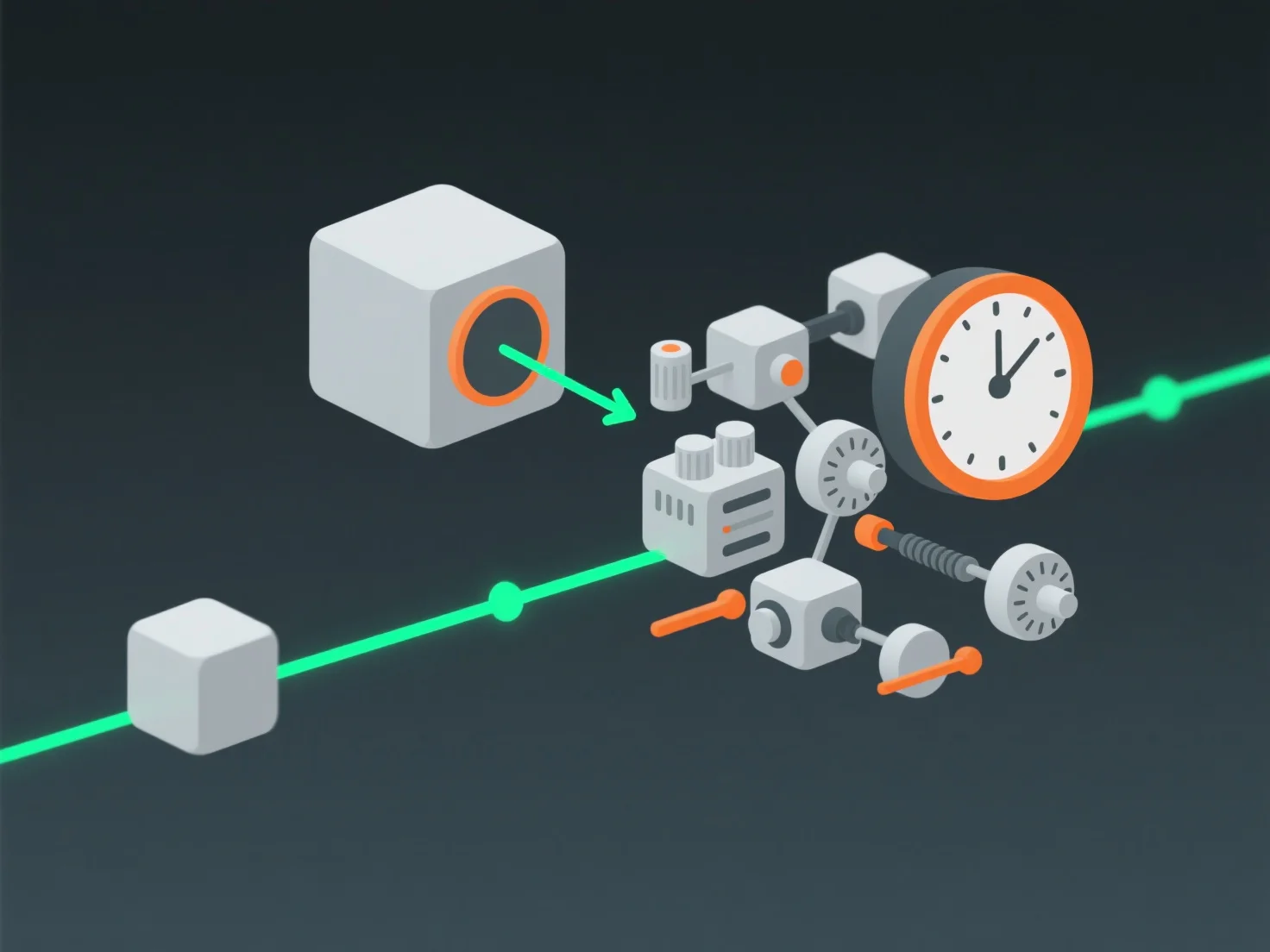
La configuration de la simulation augmente le coût en temps des flux de travail 3D en nécessitant des ajustements itératifs de la configuration des paramètres, des tests du moteur physique et de la validation des résultats.
- **Régulation des paramètres** : La définition des propriétés des matériaux (par exemple, élasticité, friction), des conditions aux limites (par exemple, fixes ou dynamiques) et des contraintes de mouvement (par exemple, articulations, collisions) nécessite souvent des essais et des erreurs pour s'aligner sur les objectifs du projet, car des réglages sous-optimaux peuvent produire des résultats irréalistes. - **Test du moteur physique** : La configuration et le test de la compatibilité du moteur (par exemple, ajustement des itérations du solveur, des pas de temps) pour assurer des simulations stables et précises prennent du temps, en particulier pour des interactions complexes telles que la dynamique des fluides ou la physique des corps mous. - **Validation des résultats** : Même de légers ajustements des paramètres peuvent avoir un impact significatif sur les résultats.
Ces étapes cumulatives, de la configuration initiale à la validation, prolongent considérablement le temps requis pour les workflows 3D.