


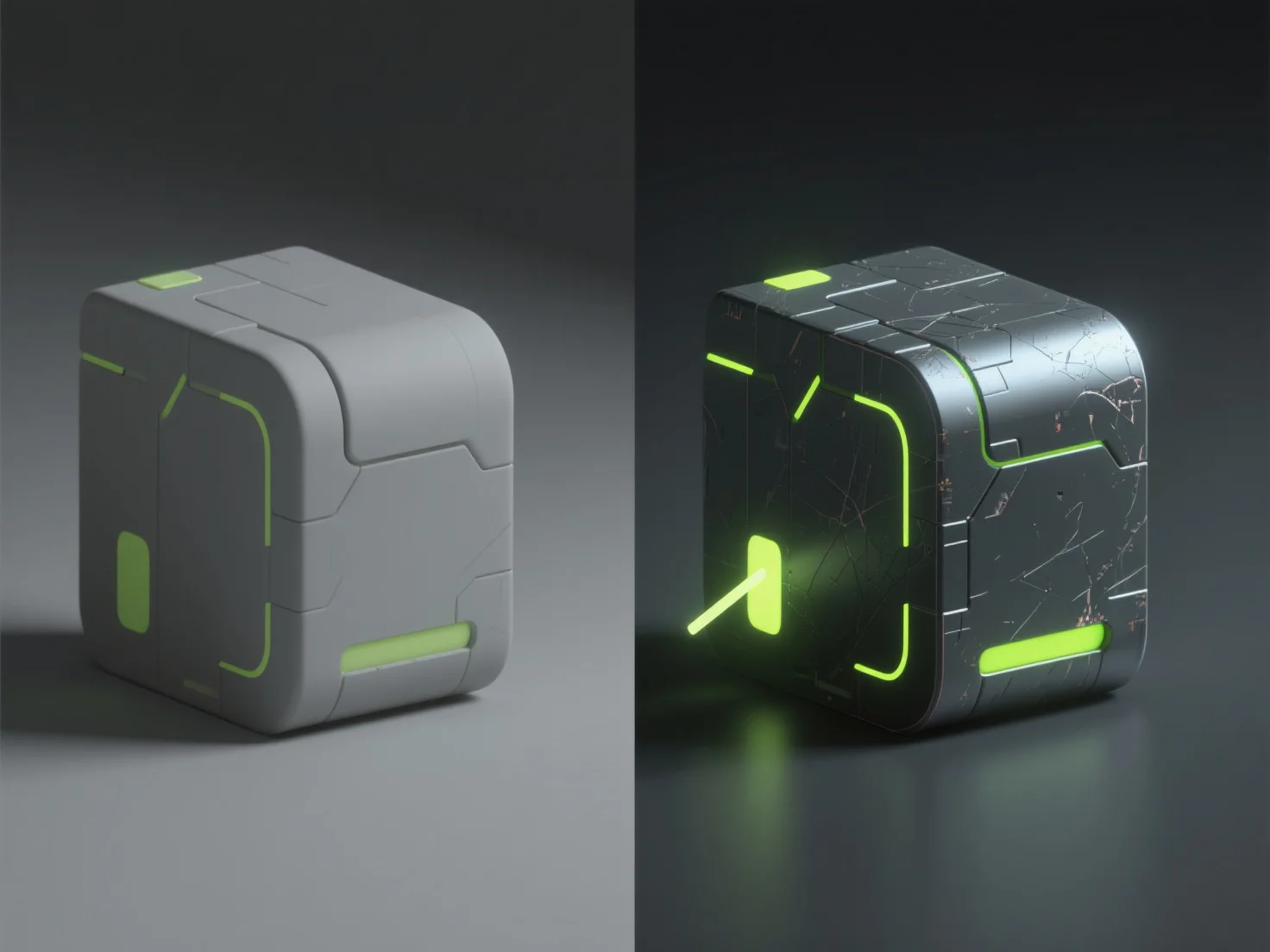
Le choix du moteur de rendu a un impact direct sur les normes de qualité 3D en façonnant la fidélité visuelle, les performances et les fonctionnalités.
Les moteurs de rendu diffèrent dans le traitement de l'éclairage, des textures et de la géométrie, établissant des attentes de qualité de base. Certains privilégient le photoréalisme, d'autres la vitesse en temps réel.
Les principales applications industrielles et leurs normes : - Jeux vidéo : Les moteurs en temps réel (par exemple, Unity, Unreal) se concentrent sur le taux de rafraîchissement et l'interactivité, établissant des normes pour des mouvements fluides et des détails d'actifs optimisés afin de s'adapter au matériel cible. - Films/Animation : Les moteurs de rendu hors ligne (par exemple, Arnold, Redshift) mettent l'accent sur un éclairage avancé et des textures haute résolution, élevant les normes pour des visuels réalistes dans le contenu pré-rendu. - Architecture : Moteurs spécialisés.
Pour répondre à des normes de qualité 3D spécifiques, alignez les points forts du moteur, tels que la vitesse en temps réel ou les détails cinématiques, avec les objectifs du projet pour obtenir des résultats optimaux.