


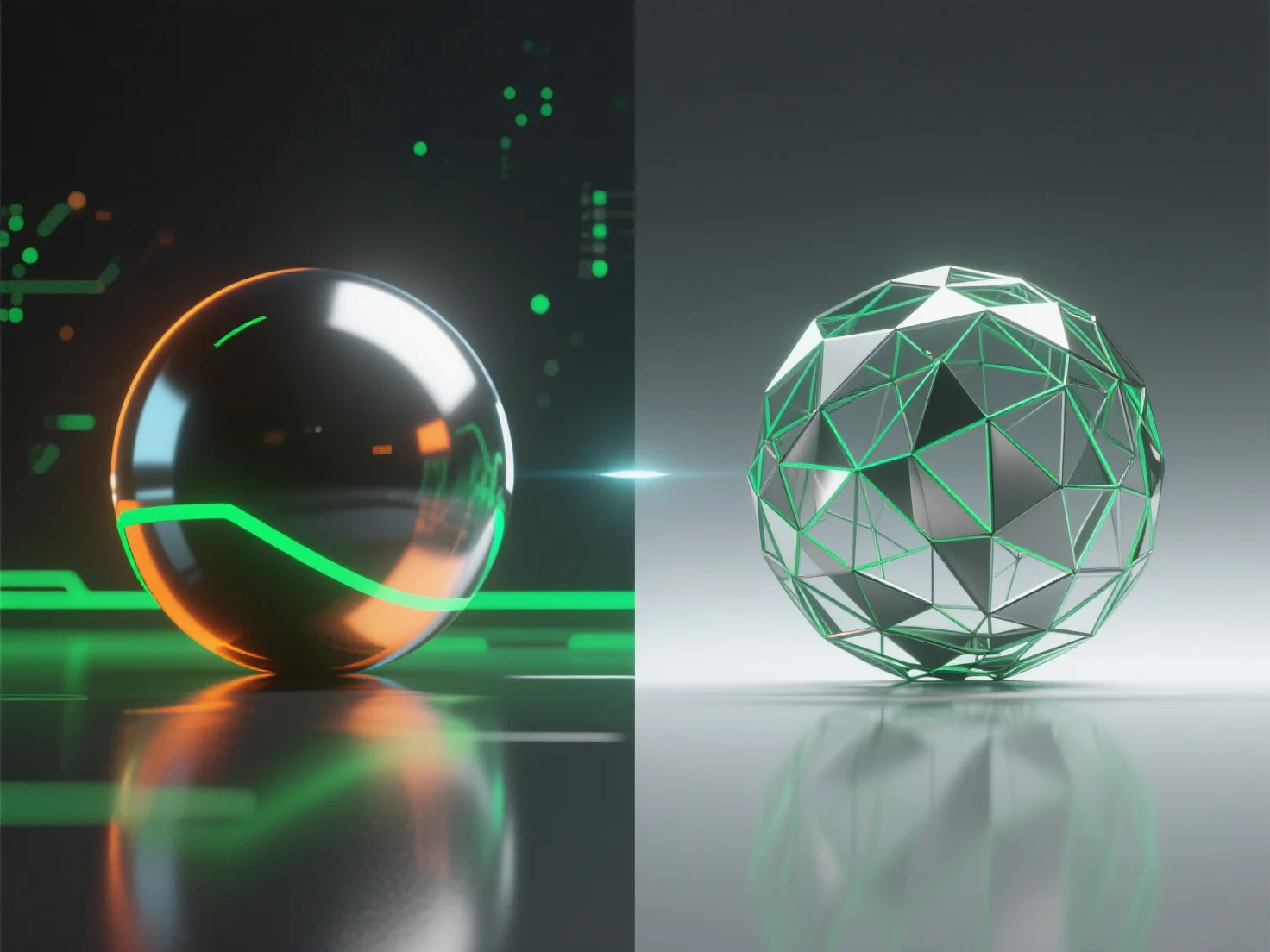
Lorsque l'on compare Redshift et Octane Render pour le rendu 3D basé sur GPU, Redshift se distingue par sa rapidité et son efficacité dans les projets à grande échelle, tandis qu'Octane est préféré pour le rendu en temps réel et des flux de travail conviviaux.
Redshift utilise une méthode de rendu biaisée, en priorisant une sortie rapide en équilibrant la précision et les performances. Cela le rend idéal pour les pipelines d'effets visuels et d'animation haut de gamme où les délais serrés ou les scènes complexes avec une géométrie importante exigent des délais de traitement rapides.
En revanche, Octane utilise un rendu impartial, offrant des résultats physiquement précis avec des aperçus en temps réel. Il convient à la conception interactive, à la visualisation de produits et aux scénarios nécessitant une rétroaction immédiate sur les matériaux ou l'éclairage.
Choisissez Redshift pour les grands projets nécessitant de la rapidité ; optez pour Octane si l'itération en temps réel et le rendu précis des matériaux sont des priorités clés.