


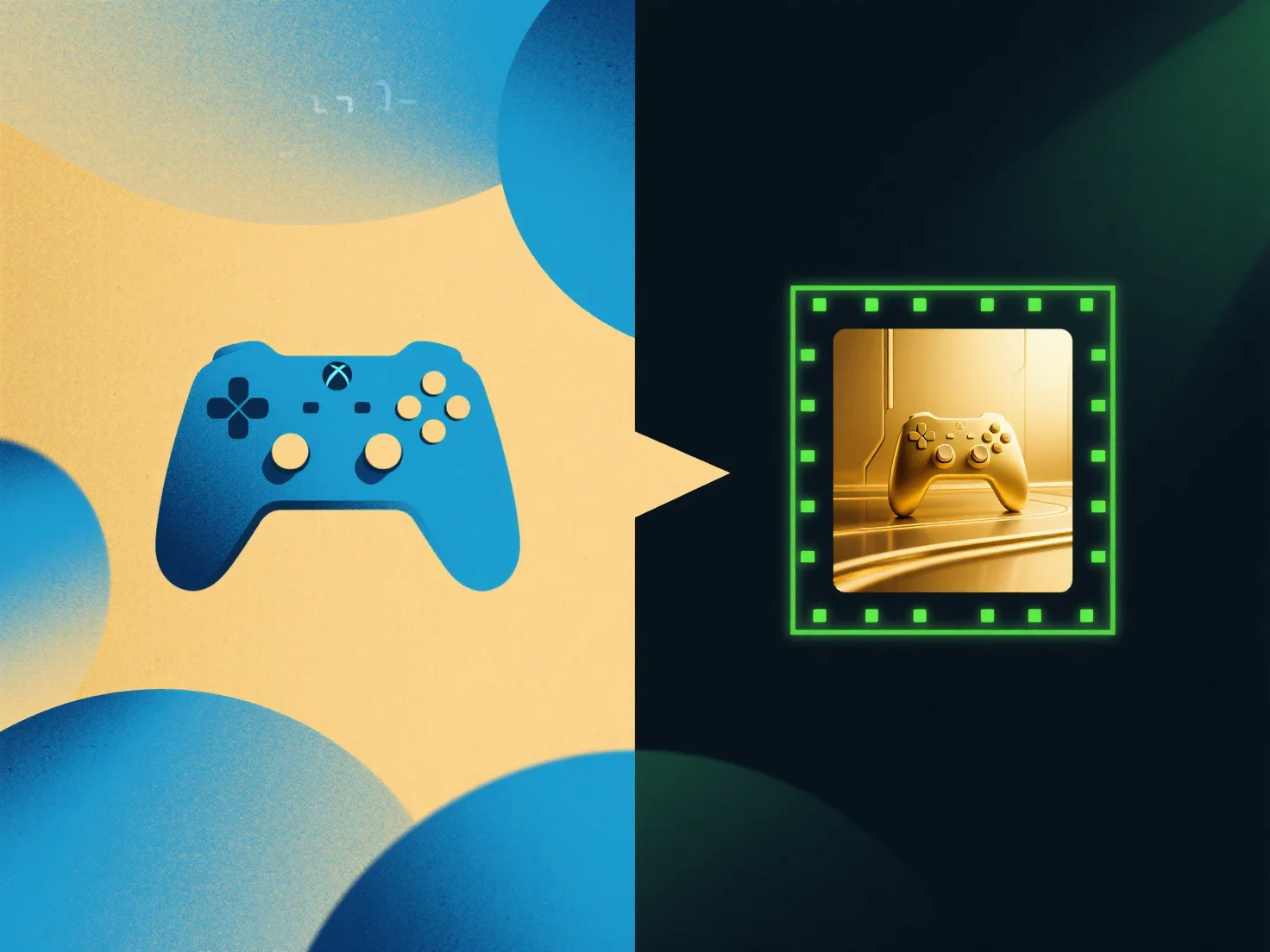
Le rendu en temps réel et la qualité pré-rendue diffèrent en termes de normes visuelles principalement en raison de contraintes de performance : la qualité pré-rendue fixe généralement des normes visuelles plus élevées, tandis que le rendu en temps réel privilégie l'interactivité plutôt que les détails extrêmes.
- **Limitations de performance** : Le rendu en temps réel nécessite un traitement instantané, ce qui limite la résolution des textures, le nombre de polygones et la complexité de l'éclairage afin de maintenir des taux de rafraîchissement fluides. Le contenu pré-rendu, non contraint par la vitesse en temps réel, utilise un temps de rendu prolongé pour affiner les détails. - **Fidélité visuelle** : Le pré-rendu atteint souvent un réalisme cinématographique avec des textures de haute fidélité, un éclairage global et des effets complexes. Le rendu en temps réel équilibre la qualité et la réactivité, en utilisant des optimisations telles que le LOD (niveau de détail) pour maintenir une performance stable. - **Scénarios d'application** : Le pré-rendu convient aux besoins statiques et axés sur les détails.