


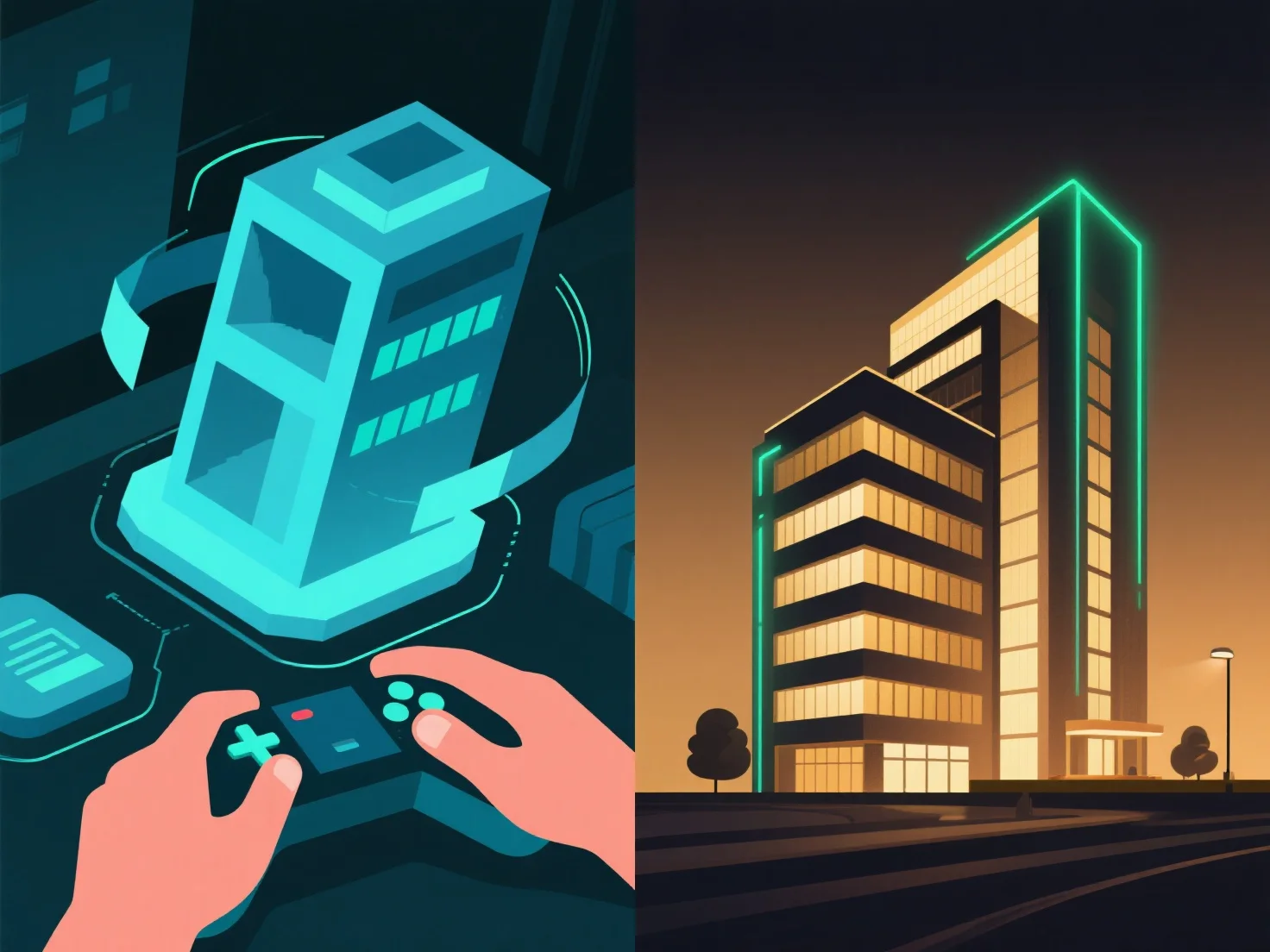
La visualisation 3D en temps réel et le contenu 3D pré-rendu diffèrent principalement en termes de temps de rendu, d'interactivité et de cas d'utilisation.
Calendrier de rendu : les rendus 3D en temps réel affichent les visuels instantanément lors de l'interaction de l'utilisateur.
Interactivité : La 3D en temps réel privilégie le contrôle dynamique par l'utilisateur. Les utilisateurs peuvent manipuler des angles, des objets ou des environnements, ce qui la rend idéale pour les applications interactives. La 3D pré-rendue est statique ; le contenu est fixe après le rendu, et ne permet pas d'apporter de modifications à la demande de l'utilisateur.
Fidélité visuelle vs. performances : La 3D pré-rendue offre souvent une qualité supérieure (textures détaillées, éclairage complexe), car le temps de rendu n'est pas limité par l'affichage en temps réel. La 3D en temps réel équilibre la qualité et les performances, en optimisant pour une sortie fluide et réactive sur des appareils tels que des PC ou des casques.
En bref, choisissez la 3D en temps réel pour des expériences interactives contrôlées par l'utilisateur ; la 3D pré-rendue convient mieux pour un contenu statique et de haute fidélité, où l'interaction n'est pas nécessaire.