


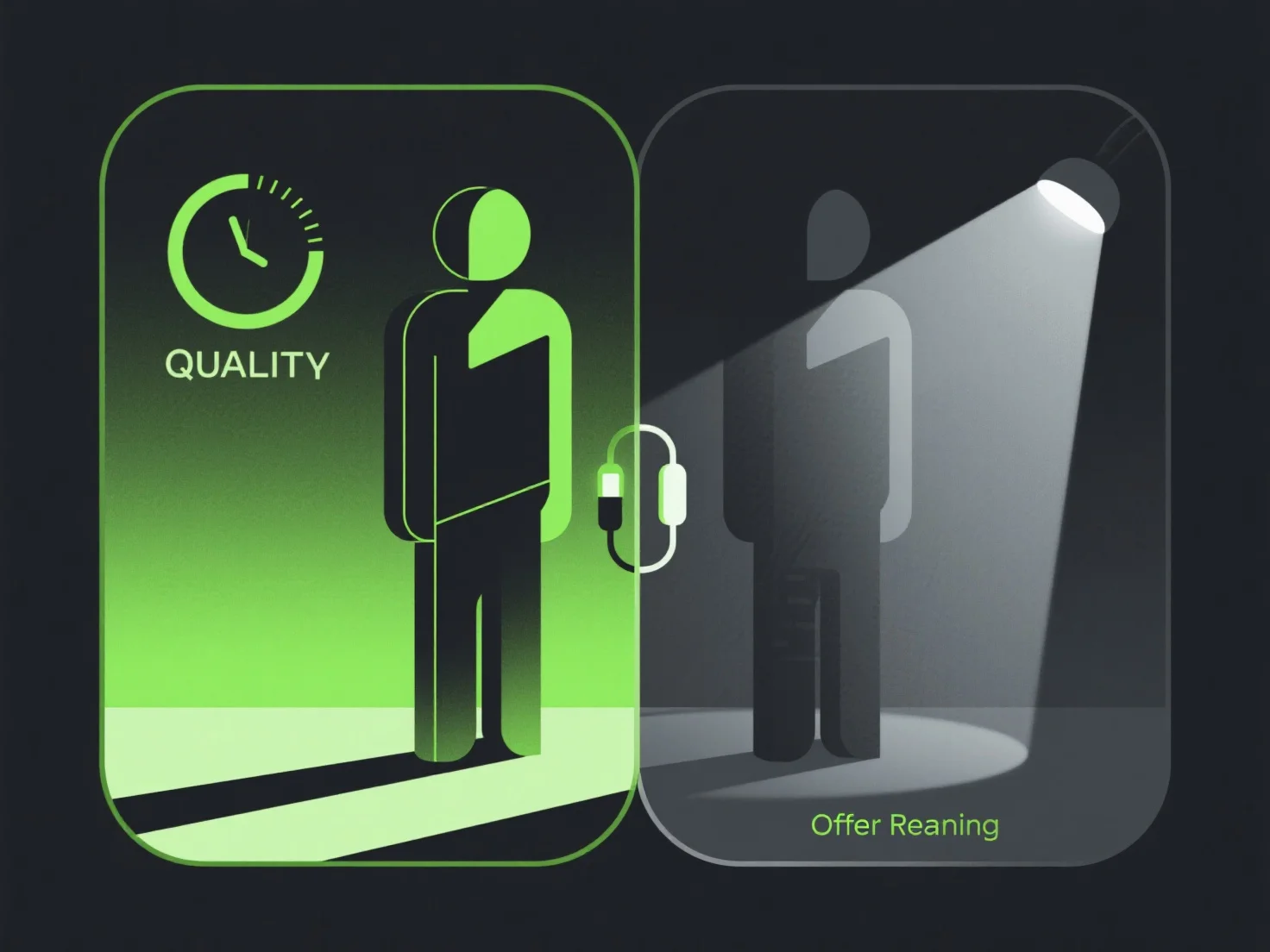
Dans le rendu en temps réel, l'éclairage privilégie la vitesse pour une rétroaction visuelle instantanée, tandis que le rendu hors ligne met l'accent sur la précision et la complexité pour des résultats de haute qualité.
Le temps réel utilise souvent des méthodes simplifiées telles que l'éclairage précalculé ou des algorithmes approximatifs pour répondre aux exigences de fréquence d'images.
Le rendu hors ligne, non contraint par le temps, utilise des techniques détaillées telles que le lancer de rayons avec plus d'échantillons de lumière, capturant des effets subtils tels que les ombres douces ou les saignements de couleur.
En général, le temps réel sacrifie un peu de réalisme pour la performance, tandis que le mode hors ligne atteint le photoréalisme grâce à des calculs intensifs.