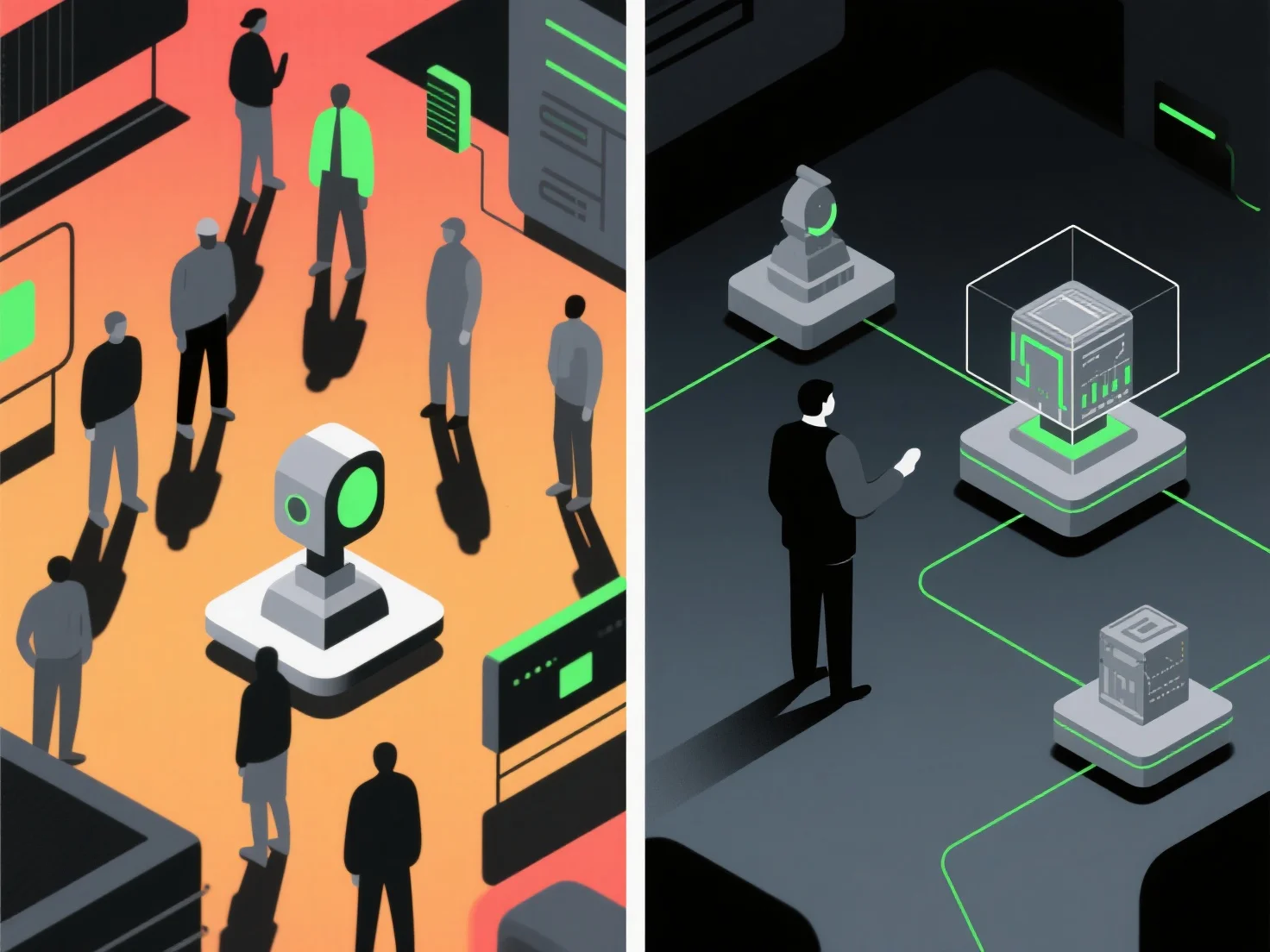
Dans les environnements à fort trafic, les présentations 3D sont souvent confrontées à des problèmes de performance tels que des retards ou des délais de chargement en raison d'une augmentation des exigences de traitement des données, tandis que dans les environnements à faible trafic, elles fonctionnent généralement sans heurts avec un rendu cohérent et une réactivité interactive. La principale différence réside dans l'allocation des ressources : un trafic élevé met à rude épreuve la bande passante du serveur et la puissance de traitement des appareils, entraînant une réduction des taux d'images ou une simplification du modèle ; un trafic faible permet une utilisation complète des ressources pour un rendu détaillé et des interactions en temps réel. Pour résoudre les problèmes de performance liés à un trafic élevé, optimiser la complexité du modèle 3D ou utiliser le streaming adaptatif peut aider à maintenir la facilité d'utilisation sans nécessiter de mises à niveau matérielles majeures.


Comment la présentation 3D se comporte-t-elle dans des environnements à fort trafic par rapport à des environnements à faible trafic ?
Les présentations 3D rencontrent des problèmes de performances dans les environnements à fort trafic en raison de la surcharge des ressources. Elles fonctionnent sans problème dans les environnements à faible trafic, et des optimisations permettent d'améliorer leur utilisabilité dans les environnements à fort trafic.