


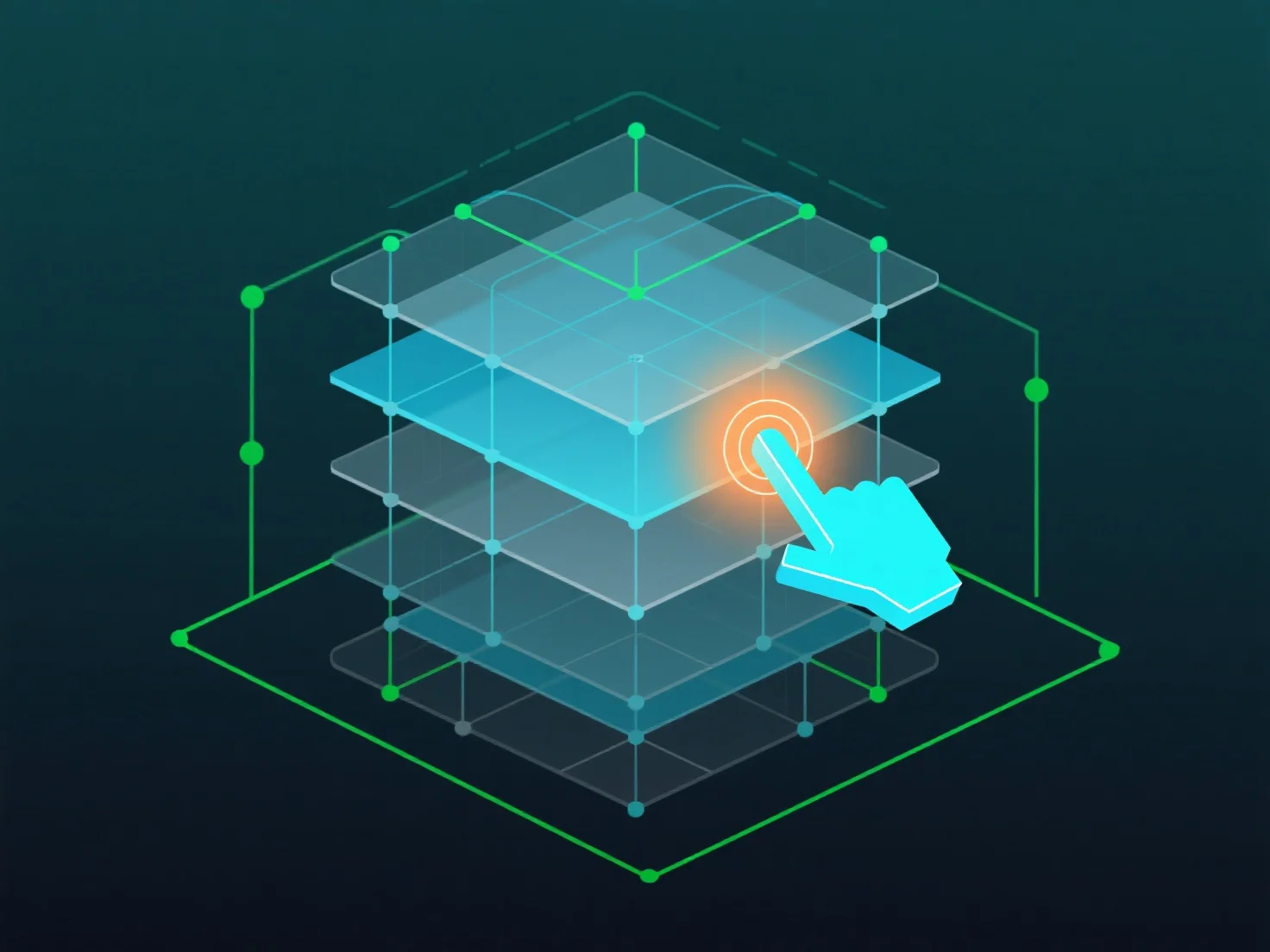
L'augmentation de la complexité de l'optimisation des performances 3D augmente directement les risques du projet, notamment les retards, la dégradation de la qualité et les dépassements de ressources.
Les principaux facteurs de risque incluent : - L'équilibrage de variables contradictoires (par exemple, nombre de polygones, résolution des textures, efficacité des shaders) augmente le risque de conflits imprévus pendant la mise en œuvre. - Les optimisations complexes révèlent souvent des goulots d'étranglement cachés, tels que l'incompatibilité matérielle ou l'instabilité à l'exécution, pendant les tests. - Une optimisation excessive peut imposer des compromis, en sacrifiant la fidélité visuelle ou la fonctionnalité des caractéristiques pour atteindre les objectifs de performance.
Pour atténuer ces risques, diviser les tâches en petites phases testables aide à identifier les problèmes rapidement, réduisant ainsi le risque global.