


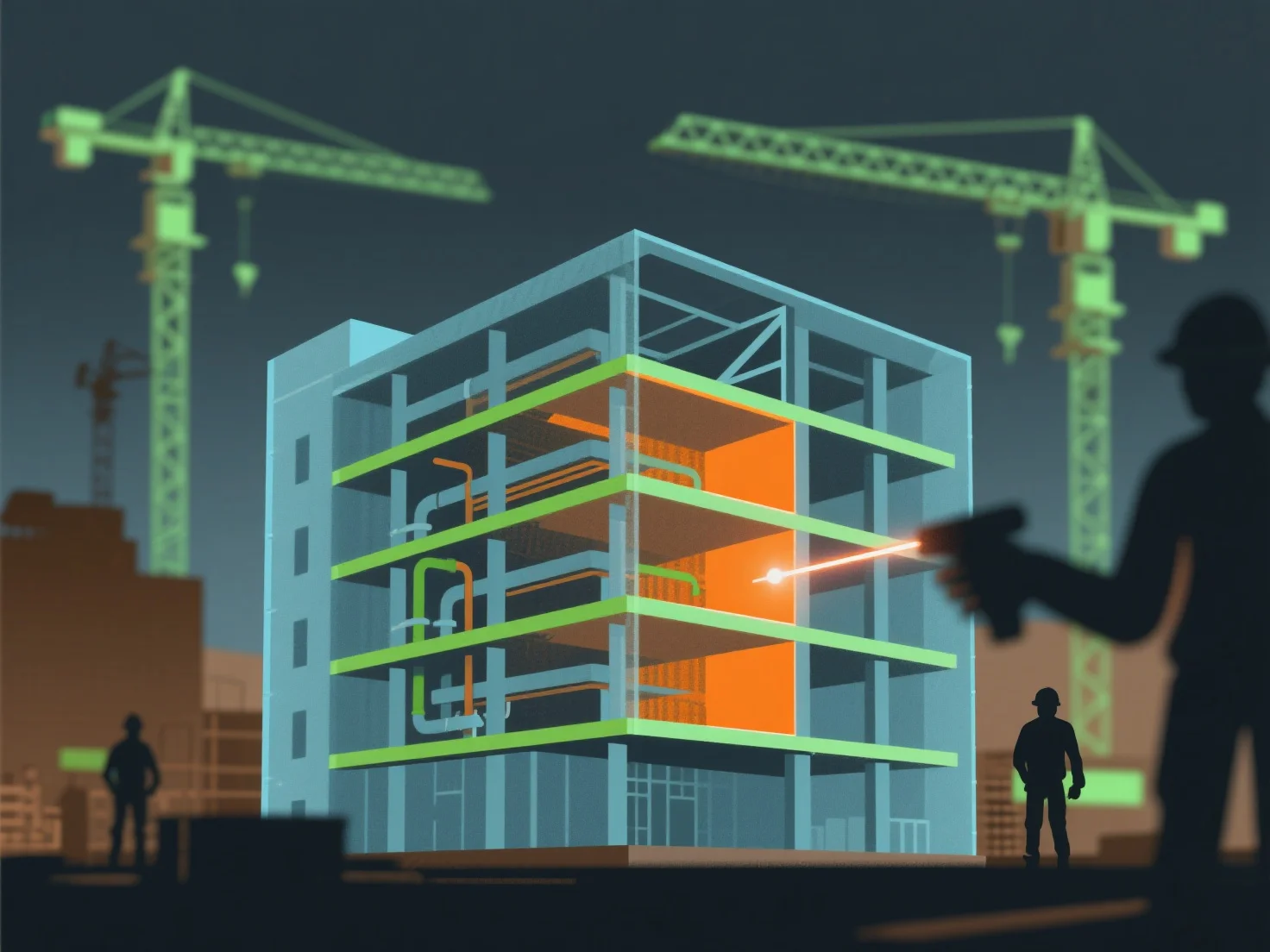
La modélisation 3D aide à préparer la mise en œuvre du projet en visualisant les concepts de conception et en identifiant à l'avance les problèmes potentiels, ce qui simplifie la planification et réduit les risques.
Il transforme des idées abstraites en visuels 3D tangibles, ce qui facilite l'alignement des équipes sur l'intention de conception. C'est essentiel pour éviter les malentendus pendant les premières étapes.
Il identifie également des problèmes tels que des conflits d'espace, des incompatibilités de matériaux ou des défauts fonctionnels avant l'exécution physique, ce qui réduit les coûts de retravail ultérieurs.
En outre, cela simplifie la communication entre les parties prenantes, en veillant à ce que les clients et les équipes partagent une vision claire dès le départ, ce qui accélère la prise de décision.
En intégrant la modélisation 3D dès le début, les projets améliorent la collaboration, minimisent les erreurs et définissent une voie plus fluide pour une mise en œuvre réussie.