


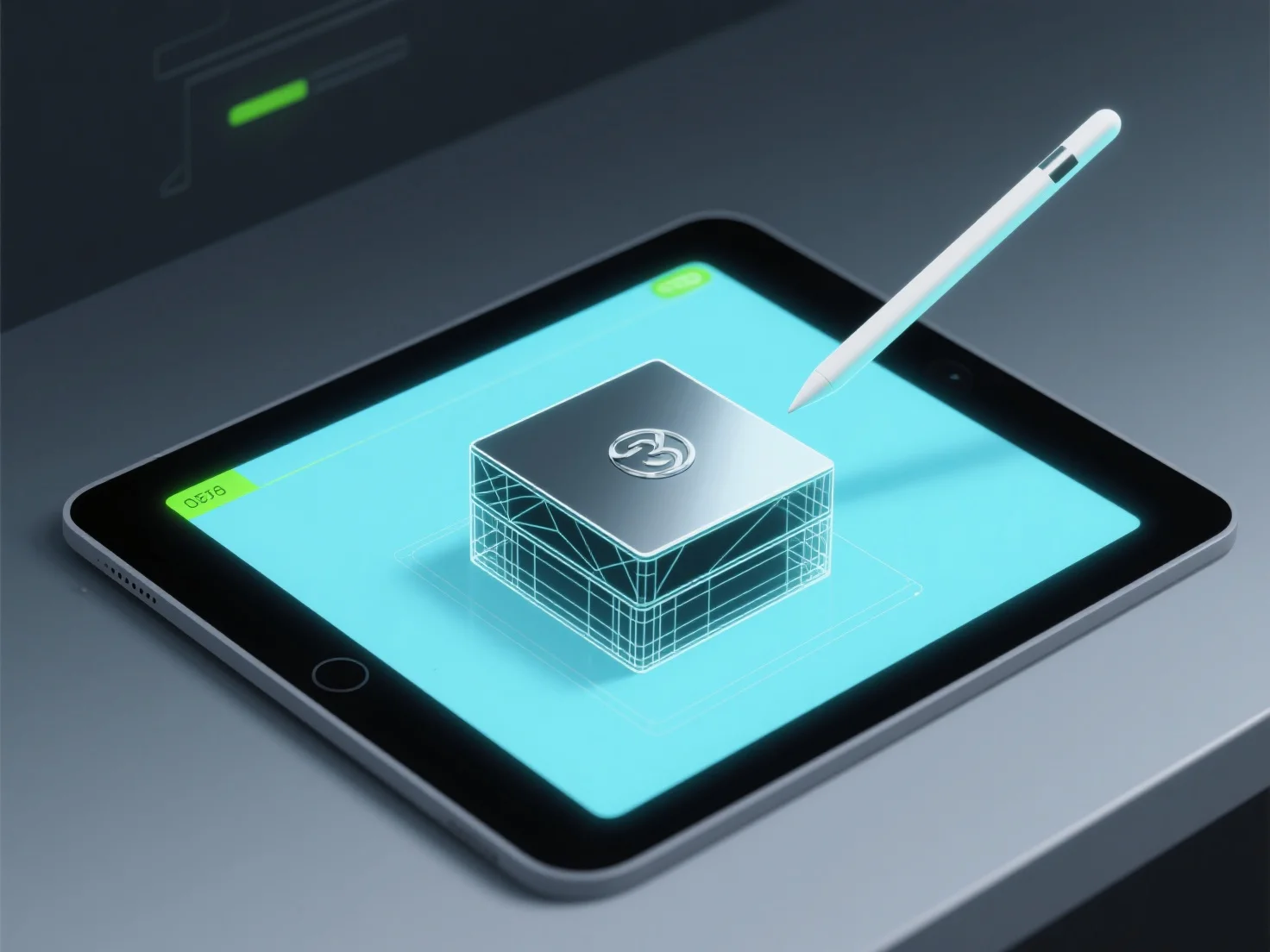
La modélisation 3D aide à créer des designs réalistes d'emballages de produits en permettant une visualisation 3D détaillée de la structure, des matériaux et des textures de l'emballage avant la production physique, assurant ainsi la précision et réduisant la dépendance aux prototypes physiques.
Les principaux avantages comprennent : - **Visualisation complète** : Simule l'emballage sous tous les angles, y compris les plis, les positions des étiquettes et les finitions de surface, permettant aux concepteurs de repérer les problèmes à un stade précoce. - **Réalisme des matériaux et des textures** : Rendu précis des matériaux (par exemple, mat, brillant) et des textures (reliefs, feuilles d'or), prévisualisant l'attrait sur les étagères et l'alignement avec la marque. - **Itération efficace** : Permet d'ajuster rapidement la taille, la forme ou les graphismes sans échantillons physiques, accélérant ainsi les cycles de conception et réduisant les coûts.
En intégrant ces éléments, la modélisation 3D garantit que l'emballage est à la fois visuellement réaliste et fonctionnel, répondant efficacement aux besoins de la marque et des utilisateurs.