


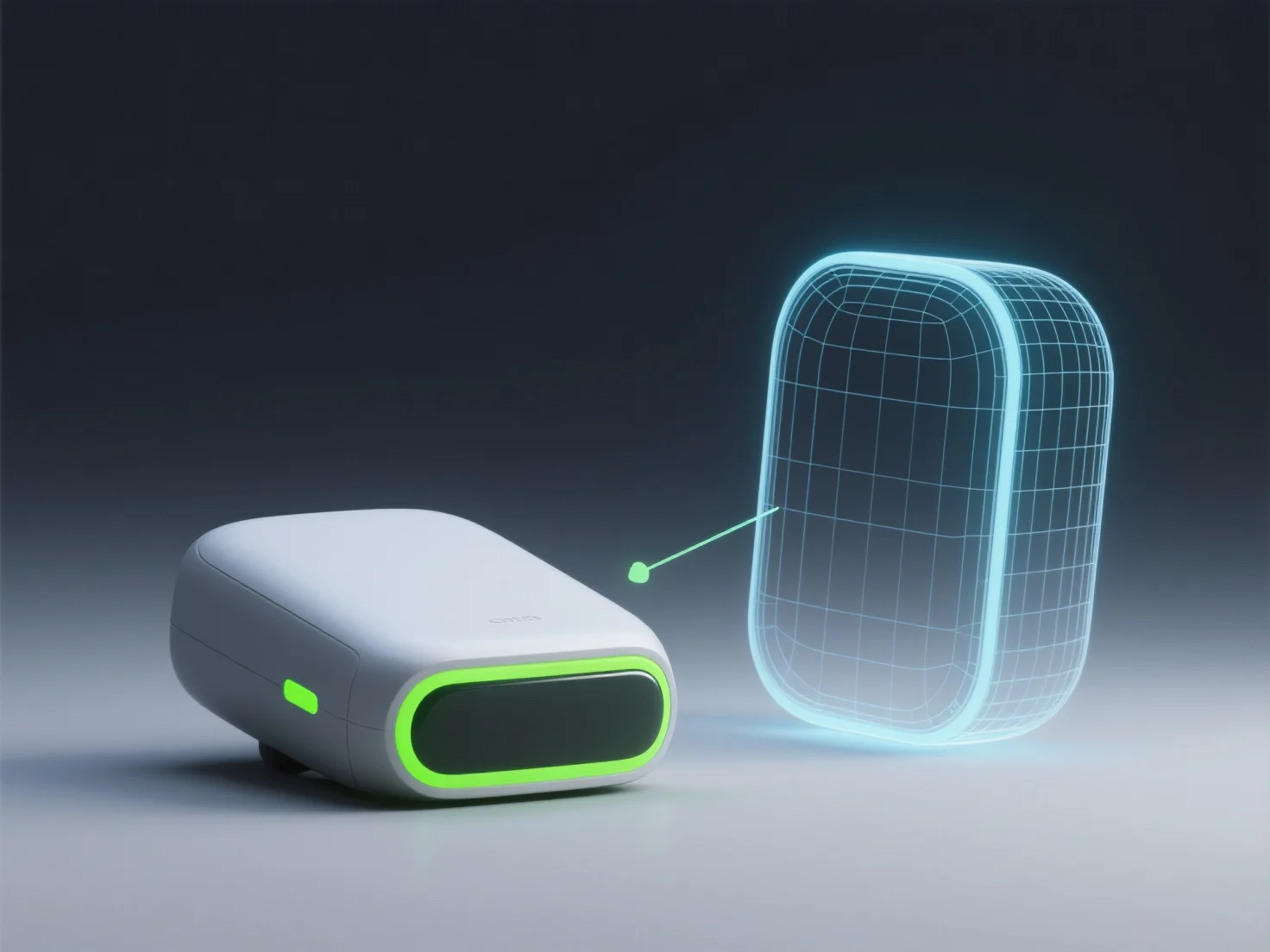
La modélisation 3D aide à évaluer la qualité esthétique des concepts de design en fournissant une visualisation réaliste en trois dimensions, permettant une évaluation précise des éléments esthétiques clés que les méthodes 2D ne peuvent pas pleinement transmettre.
Les principales façons dont il soutient cela incluent : - **Proportions et échelle** : les modèles 3D révèlent comment les éléments de design se rapportent en taille, assurant des compositions équilibrées et visuellement harmonieuses. - **Textures et matériaux** : Ils simulent les matériaux du monde réel (par exemple, bois, métal), permettant aux parties prenantes de voir comment les finitions affectent l'attrait global. - **Éclairage et dynamique spatiale** : L'ajustement de l'éclairage virtuel met en évidence comment les ombres, les reflets et la luminosité affectent l'esthétique.
En intégrant ces éléments, la modélisation 3D aide à identifier et à affiner rapidement les itérations de design les plus esthétiques, ce qui en fait un outil d'évaluation visuelle crucial.