


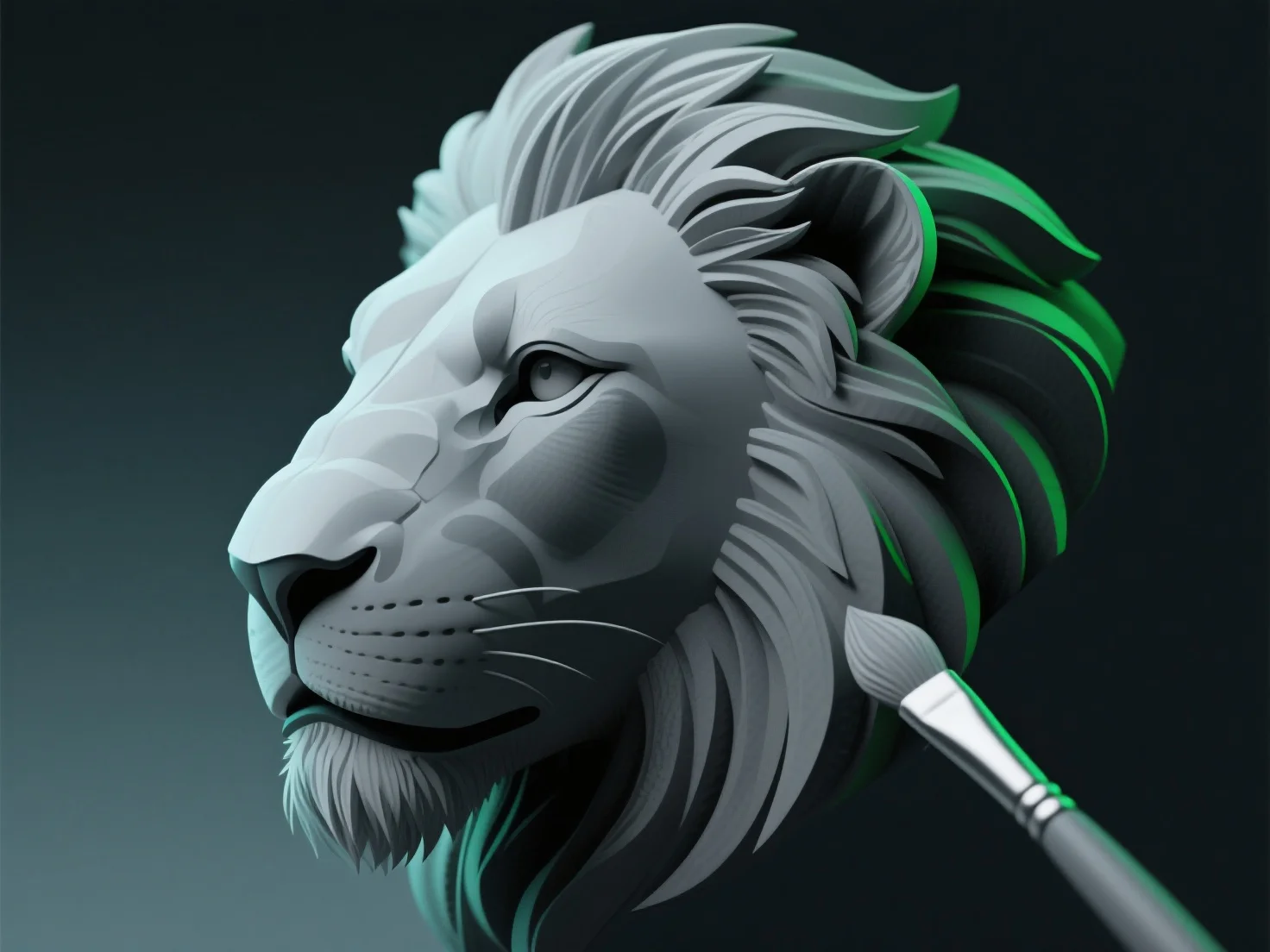
L'intégration de la sculpture et de la texturation dans la conception 3D implique d'abord de façonner la structure de base du modèle par la sculpture, puis de transférer ces détails dans les textures pour améliorer le réalisme, en s'assurant que la forme et les propriétés de la surface s'alignent parfaitement.
Commençons par sculpter la forme de base et les détails en polygones : Sculpez la forme fondamentale du modèle et ses caractéristiques complexes.
Ensuite, transformez les données sculptées en cartes de texture : convertissez la profondeur, les bords et les détails sculptés en cartes techniques telles que des cartes normales, de déplacement ou d'occlusion ambiante. Ces cartes servent de modèles pour la texturation, préservant la dimensionnalité de la sculpture sous forme numérique.
Enfin, alignez les textures avec les contours sculptés : appliquez des textures de couleur, de rugosité ou spéculaires qui complètent la forme sculptée. Par exemple, en utilisant des teintes plus foncées dans les plis ou une rugosité plus élevée sur les zones surélevées pour imiter le comportement de la surface dans le monde réel.
Ce flux de travail garantit que les textures renforcent le design sculpté, créant des modèles 3D cohérents et réalistes où la forme et les détails de la surface travaillent en harmonie.