


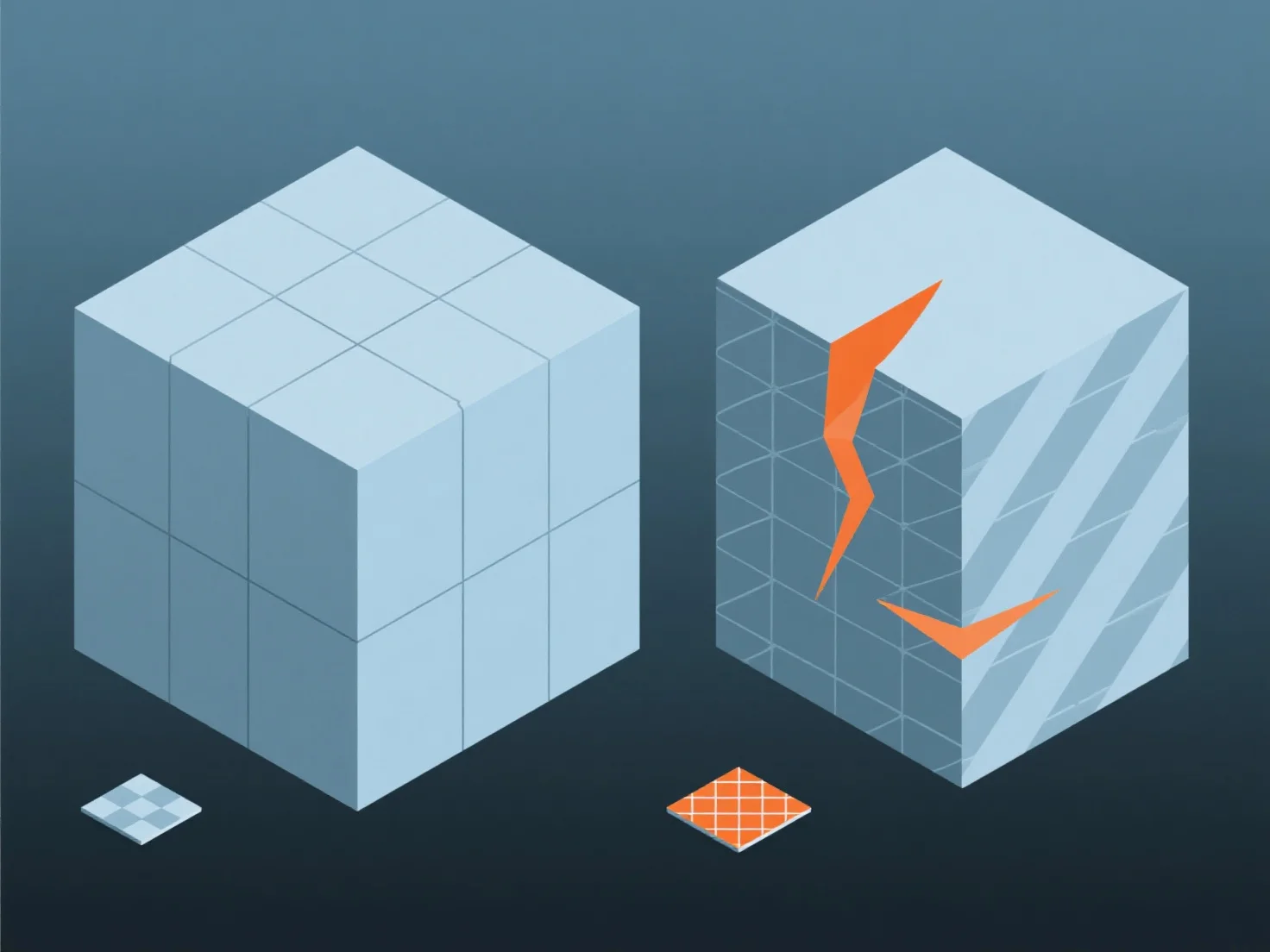
Les normes de mappage de texture améliorent directement la cohérence des modèles 3D en établissant des règles uniformes pour la gestion des données de texture entre les outils, les équipes et les plateformes.
Les principaux impacts incluent : - La standardisation des coordonnées de texture (cartographie UV), évitant l'étirement ou le désalignement lors du transfert de modèles entre logiciels. - La définition de formats de fichiers (par exemple, PNG, JPEG) et de directives de résolution, assurant un affichage cohérent des textures dans différents moteurs de rendu. - L'alignement des paramètres de rendu.
En appliquant ces règles, les normes réduisent les divergences visuelles et rationalisent la collaboration.