


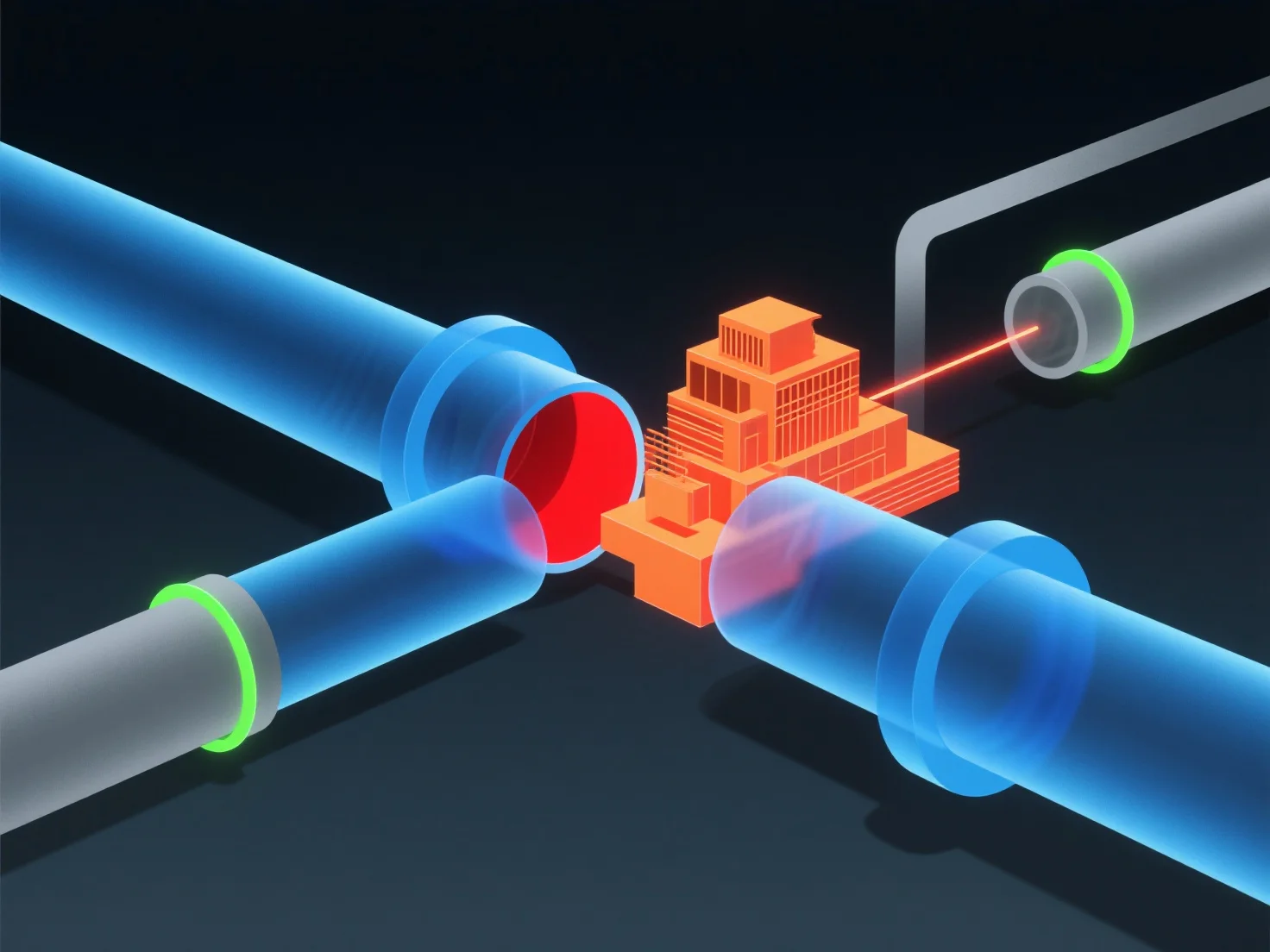
Les goulots d'étranglement de performance menacent les systèmes 3D en temps réel en provoquant des problèmes critiques tels que le rendu retardé, les chutes d'images ou les interactions utilisateur non réactives, ce qui va à l'encontre de l'exigence fondamentale du système d'une sortie visuelle fluide et à faible latence.
Les principales menaces incluent : - **Dégradation de l'expérience utilisateur** : Des chutes de framerate ou des délais fréquents perturbent l'immersion, rendant les interactions saccadées (par exemple, des animations hachées dans les jeux ou des réponses AR retardées). - **Instabilité du système** : Le matériel/logiciel surchargé peut se bloquer sous une forte charge (par exemple, des scènes complexes avec de nombreux polygones ou un éclairage dynamique). - **Limitations fonctionnelles** : Les goulots d'étranglement restreignent la gestion des fonctionnalités avancées.
Ces problèmes minent collectivement la fiabilité et l'efficacité des systèmes 3D en temps réel dans les jeux, les simulations et la visualisation professionnelle.