


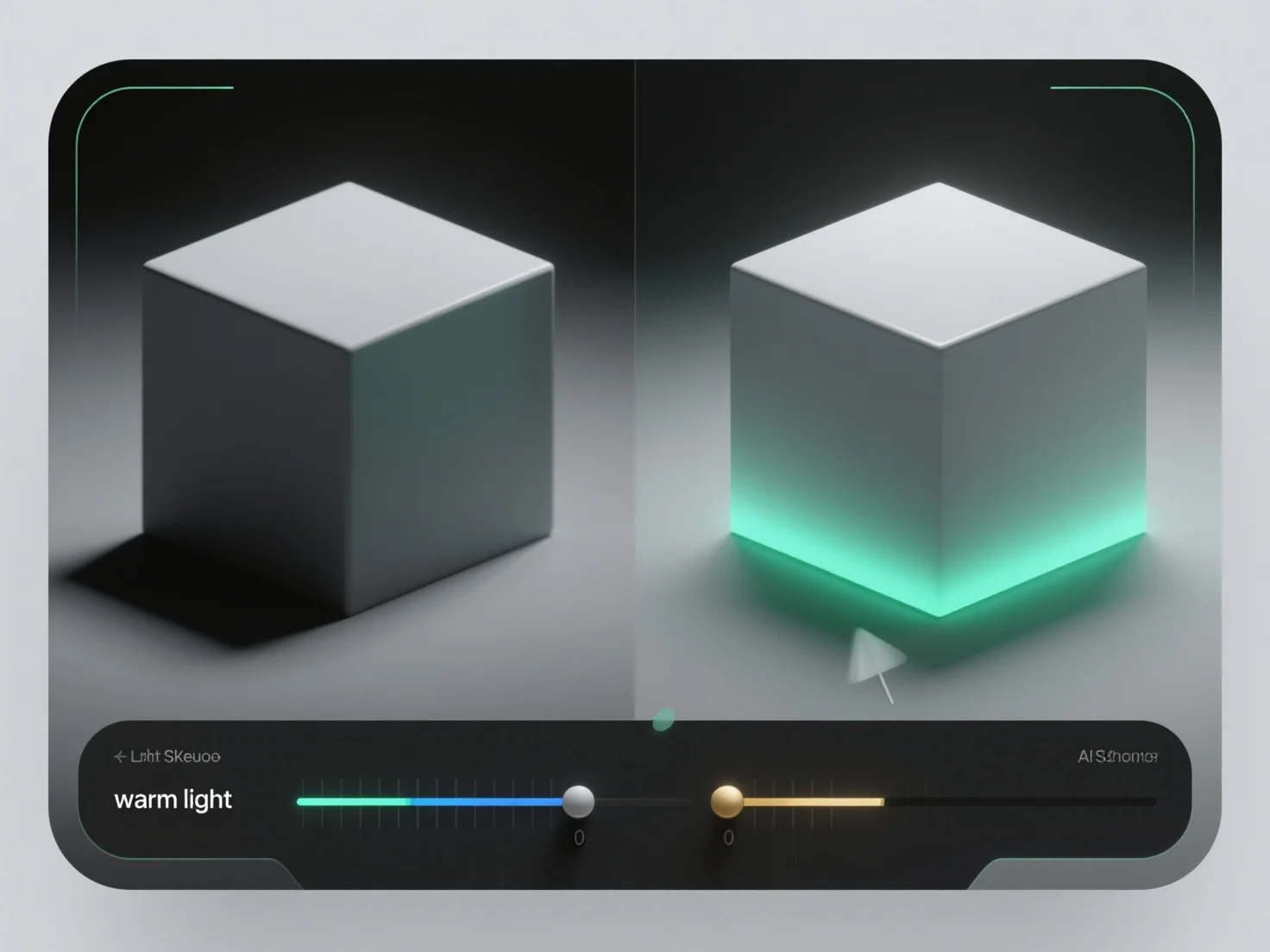
Les normes d'éclairage ont un impact direct sur la qualité visuelle en 3D en assurant un comportement lumineux cohérent et réaliste, ce qui est essentiel pour que les scènes 3D paraissent naturelles et professionnelles. Elles régulent les paramètres fondamentaux et guident les applications spécifiques à l'industrie, améliorant collectivement la précision visuelle.
Les paramètres clés qu'ils contrôlent incluent : - L'intensité de la lumière : Prévient la surexposition ou la sous-exposition, en assurant que les objets sont visibles avec des détails clairs. - La température des couleurs : Maintenance d'une tonalité cohérente (par exemple, lumière chaude/froid) pour correspondre aux scénarios du monde réel. - La précision des ombres : Assure que les ombres s'alignent avec les sources de lumière, ajoutant de la profondeur et du réalisme.
Les applications industrielles améliorent encore la qualité : - Jeux vidéo : Aligne l'éclairage en jeu avec la physique réelle, améliorant l'immersion. - Architecture : Simule avec précision la lumière naturelle/artificielle, aidant les clients à visualiser les espaces. - Cinéma : Assure que les éléments 3D s'intègrent parfaitement aux séquences d'action en direct grâce à un éclairage uniforme.
En adhérant à ces normes, les créateurs améliorent la qualité visuelle en 3D, rendant les scènes plus crédibles et professionnelles.