Home/Hitem3D FAQ/How do late-stage quality upgrades affect efficiency in 3D projects?

How do late-stage quality upgrades affect efficiency in 3D projects?

Late-stage 3D project quality upgrades reduce efficiency via rework, delays, and resource waste, necessitating proactive early checks.

How do late-stage quality upgrades affect efficiency in 3D projects?

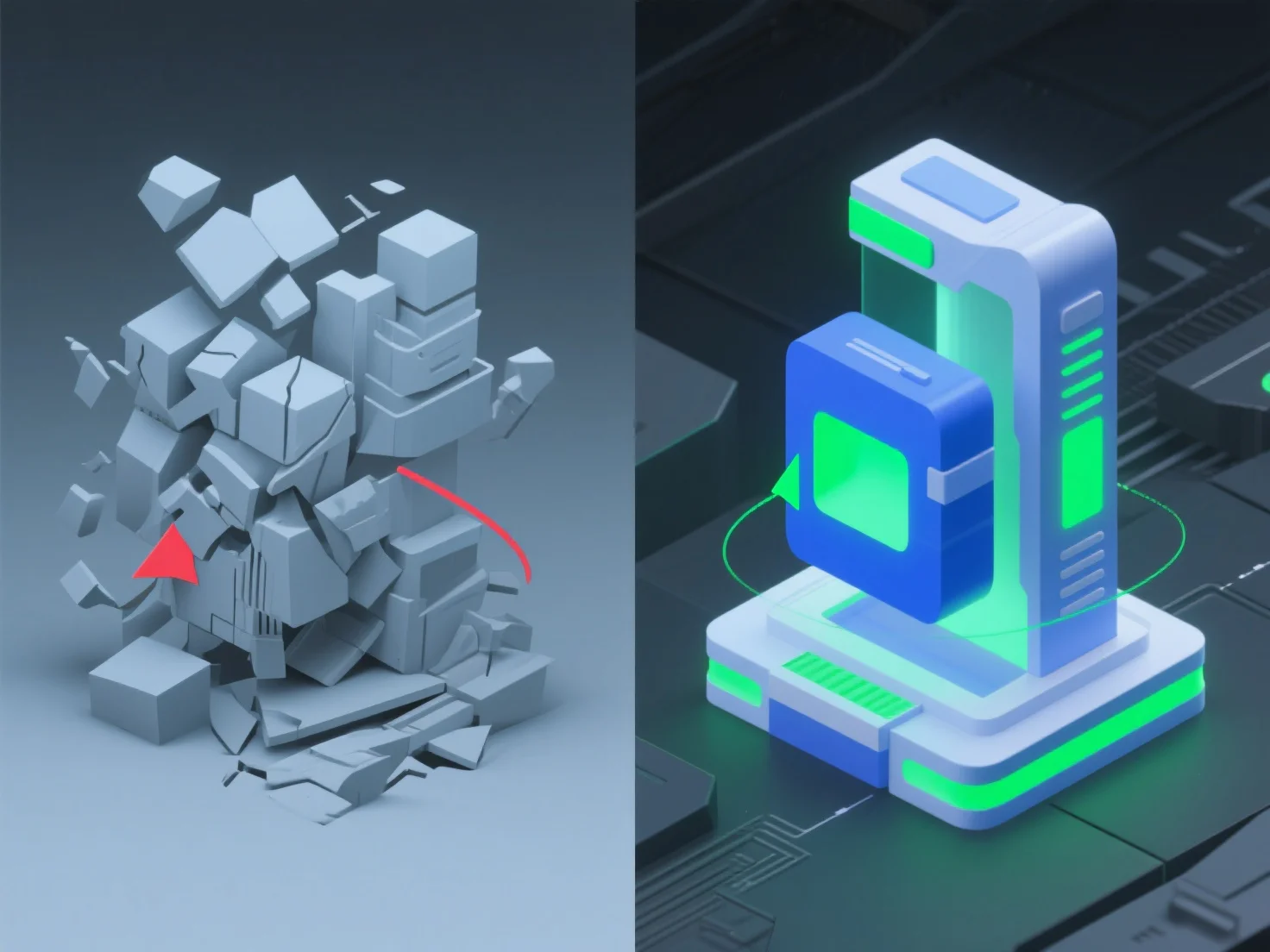
Late-stage quality upgrades in 3D projects typically reduce efficiency by causing rework, timeline delays, and resource waste. They often require revisiting earlier stages (e.g., modeling, texturing, rendering), disrupting the project’s linear workflow and forcing teams to redo completed tasks. For example, adjusting polygon density or material details post-approval may necessitate redoing animations, lighting, or simulations. This not only consumes extra time and labor but also strains computational resources. Additionally, such changes delay milestones, as teams pivot from new tasks to revisions, extending project cycles. Overall, late-stage quality upgrades hinder efficiency through workflow disruptions, resource overuse, and timeline setbacks, making proactive quality checks earlier critical.

PreviousNext
Produit
Studio Web
Plateforme API
Fonctionnalités
Image vers 3D
Multi‑vue vers 3D
Relief
Segmentation
Modèles
Modèle général
Modèle portrait
Ressources
Blog
FAQ
Docs API
À propos
Tarifs