


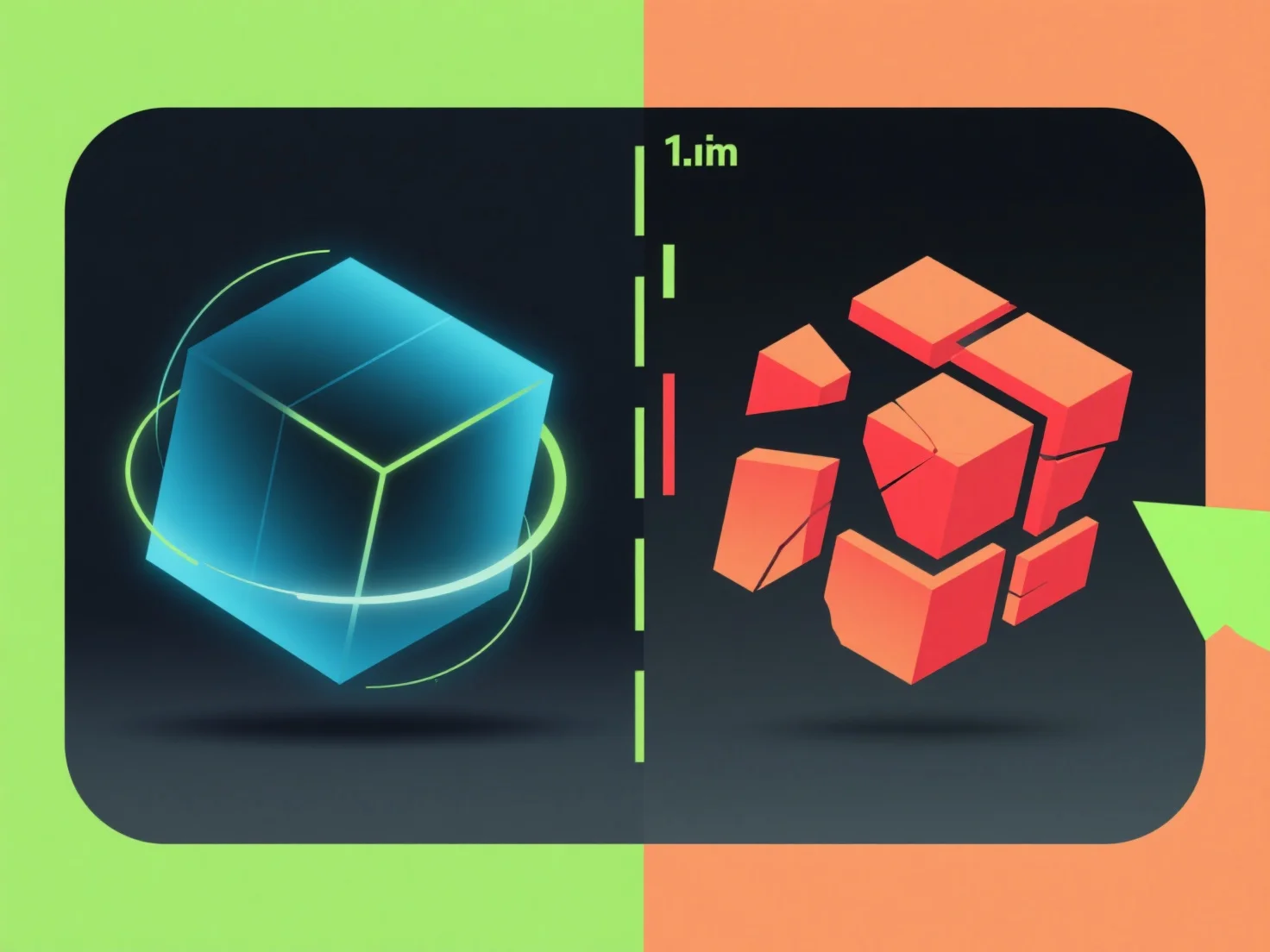
Les taux d'images par seconde ont un impact significatif sur la fluidité, la réactivité et l'immersion de l'utilisateur dans le rendu en temps réel des applications 3D. Des taux plus élevés améliorent la fluidité visuelle et l'interaction, tandis que des taux plus faibles entraînent souvent des problèmes de performance.
- **La fluidité** : Des taux de rafraîchissement plus élevés (par exemple, plus de 60 FPS) offrent un mouvement sans heurts, réduisant le bégaiement et le flou de mouvement. C'est crucial pour les applications 3D rapides comme les jeux ou les simulations. - **La réactivité** : Des taux de rafraîchissement plus rapides minimisent le décalage d'entrée, rendant les actions de l'utilisateur (par exemple, les commandes de la caméra, la manipulation d'objets) plus immédiates. - **L'immersion** : Des taux de rafraîchissement plus faibles (en dessous de 30 FPS) perturbent le réalisme, car des visuels saccadés rompent le sentiment de présence de l'utilisateur, en particulier dans la réalité virtuelle ou les environnements 3D interactifs.
Les taux de rafraîchissement optimaux (30-60 FPS, selon le cas d'utilisation) équilibrent les performances et l'expérience, en assurant que les applications 3D en temps réel se sentent fluides et réactives.