


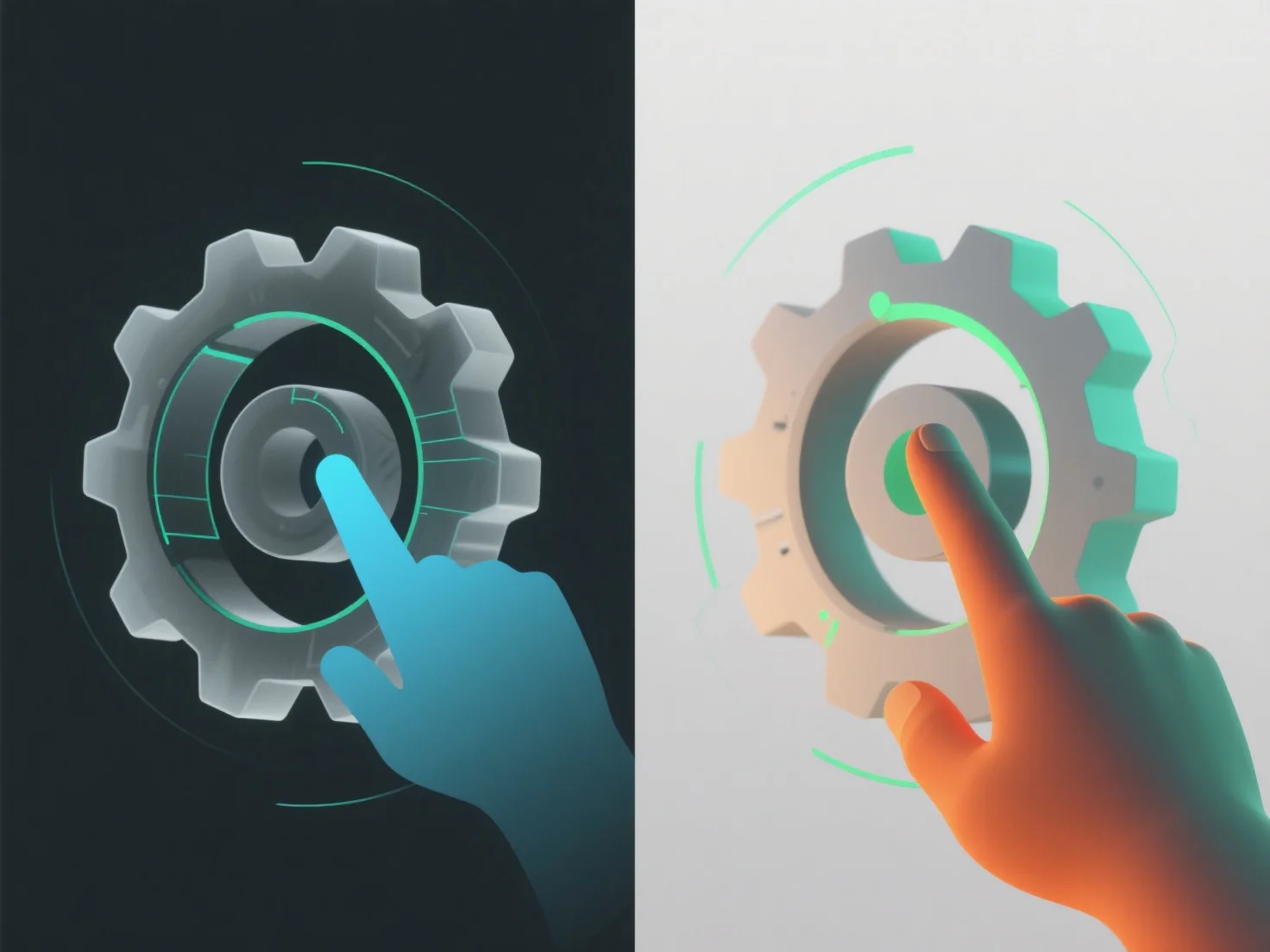
Les modèles 3D s'adaptent différemment dans les scénarios guidés et d'auto-exploration en mettant l'accent sur une direction structurée dans le premier cas et l'autonomie de l'utilisateur dans le second.
Dans les scénarios guidés, l'adaptation se concentre sur des interactions contrôlées, étape par étape, afin de mettre en évidence les détails clés. Par exemple, des invites de tutoriel, des conseils guidés ou des chemins prédéfinis qui guident les utilisateurs à travers les fonctionnalités critiques, en s'assurant qu'ils suivent une séquence d'apprentissage ou de tâches spécifique.
Dans les scénarios d'auto-exploration, l'adaptation privilégie la flexibilité et la navigation pilotée par l'utilisateur. Les modèles peuvent offrir des points de vue ajustables, des contrôles interactifs ou des outils ouverts, permettant aux utilisateurs d'explorer à leur propre rythme et de se concentrer sur des domaines d'intérêt personnel, favorisant ainsi la découverte et la créativité.
Globalement, l'adaptation guidée convient à l'apprentissage/à l'entraînement, tandis que l'auto-exploration soutient mieux les tâches créatives ou exploratoires.