


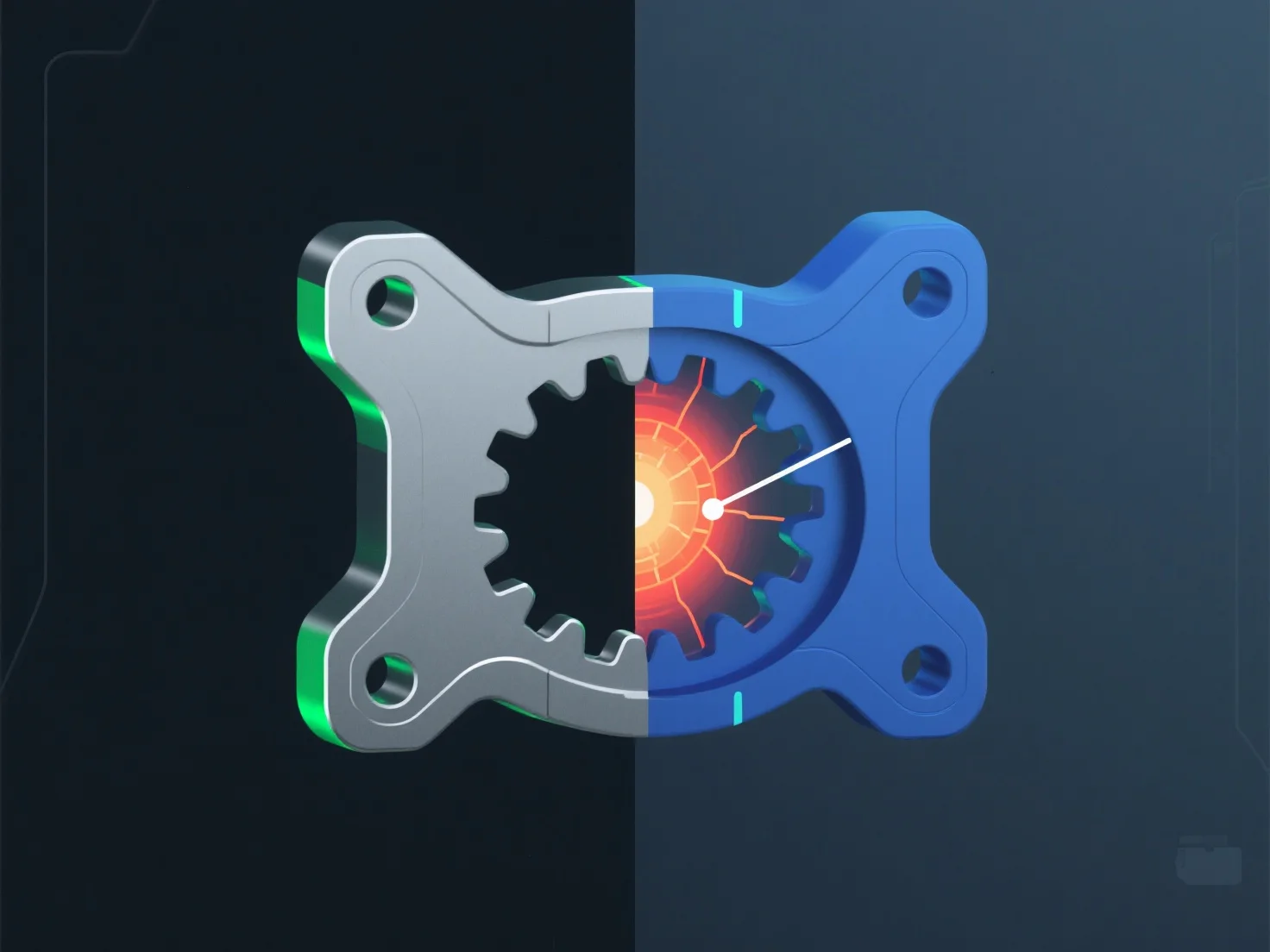
La modélisation 3D aide à comparer les performances de différents matériaux dans la conception en simulant et en analysant leurs comportements mécaniques, thermiques ou structurels dans diverses conditions, permettant une évaluation efficace avant le prototypage physique.
Tout d'abord, il permet de saisir les propriétés des matériaux.
Deuxièmement, des simulations peuvent être exécutées pour tester les performances sous stress, charge ou facteurs environnementaux, révélant ainsi le comportement des matériaux dans des scénarios réels.
Troisièmement, cela simplifie la comparaison des matériaux avec des critères de conception tels que la durabilité, le poids ou le coût, ce qui aide à identifier rapidement la meilleure solution.
Cette approche structurée simplifie le processus de comparaison, faisant de la modélisation 3D un outil clé pour la sélection des matériaux dans la conception.