


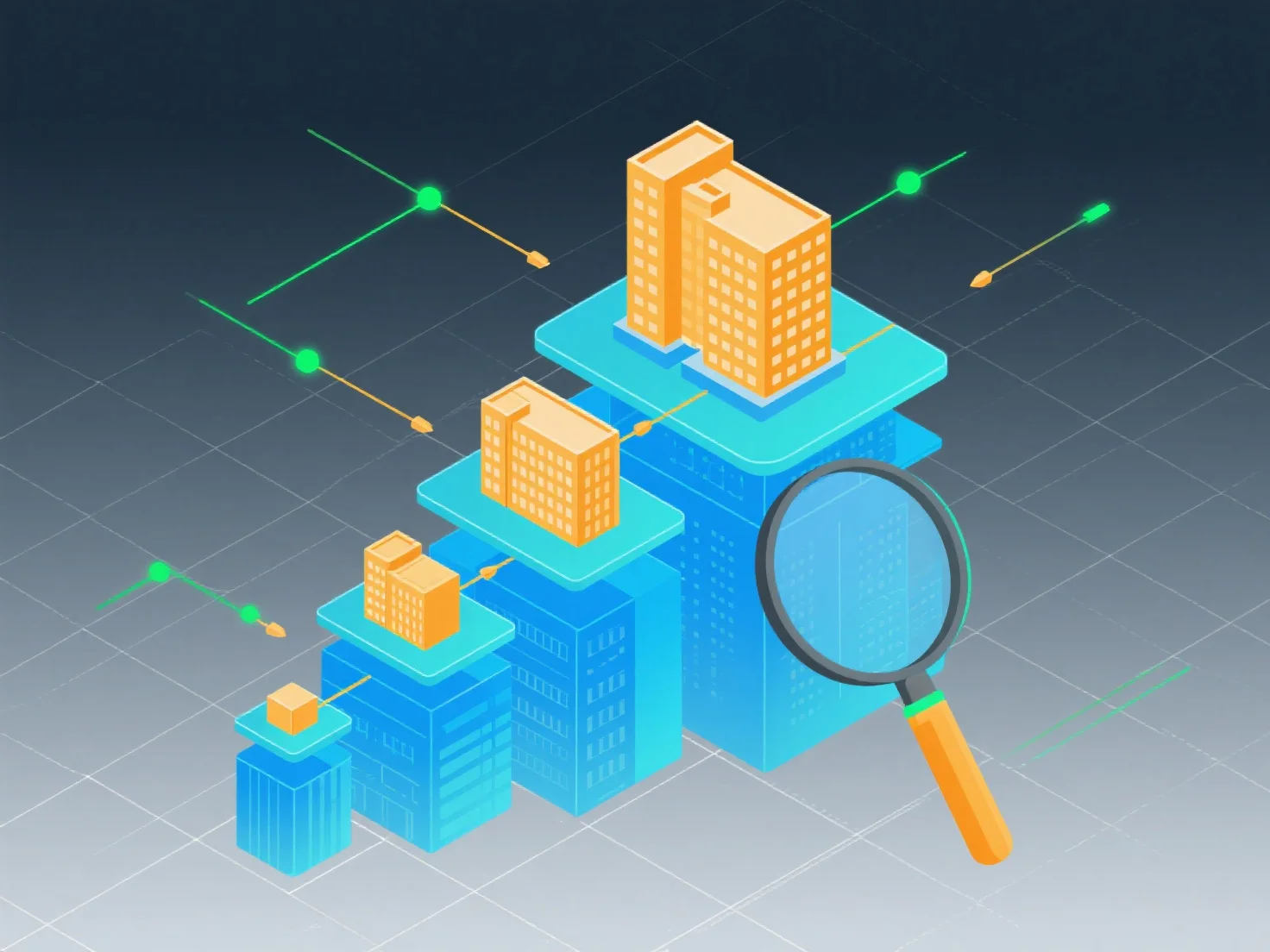
La modélisation 3D évalue la scalabilité des designs dans les grands projets en simulant et en analysant les performances dans différentes conditions d'échelle, permettant une évaluation proactive de l'adaptabilité.
Les principales façons dont il soutient l'évaluation de l'évolutivité incluent : - **Adaptation structurelle** : Tester comment les composants (par exemple, poutres, charpentes) gèrent une taille accrue, en assurant l'intégrité à mesure que les projets prennent de l'ampleur. - **Efficacité des ressources** : Analyser l'utilisation des matériaux, la consommation d'énergie ou les besoins spatiaux lors de l'expansion, en optimisant les coûts et la durabilité. - **Flux fonctionnel** : Simuler le flux de travail, le mouvement des utilisateurs ou les interactions du système afin de maintenir l'efficacité à plus grande échelle.
Des applications spécifiques à l'industrie : - Construction : Valider la stabilité des bâtiments, des petits prototypes aux développements à grande échelle. - Fabrication : Optimiser les lignes de production en dimensionnant les plans virtuels pour éviter les goulots d'étranglement. - Infrastructure : Évaluer les capacités de charge des ponts ou le flux dans les terminaux aéroportuaires au fur et à mesure que l'étendue du projet augmente.
Étape pratique : Utilisez des outils 3D paramétriques pour ajuster les paramètres d'échelle et exécuter des simulations, en s'assurant que les conceptions sont dimensionnées efficacement avant leur mise en œuvre.