


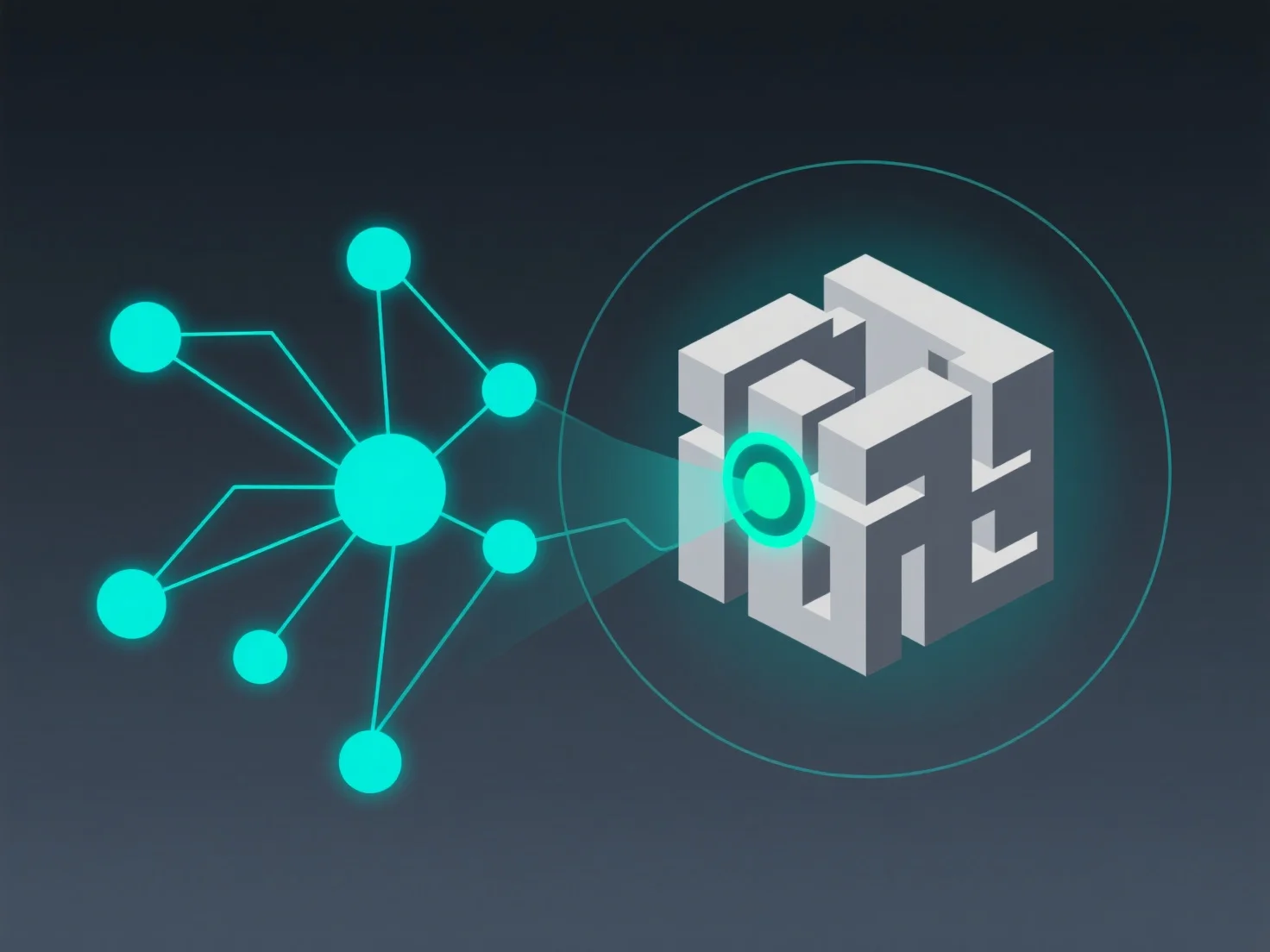
El modelado procedimental en diseño 3D es un método de creación de modelos 3D que utiliza algoritmos, reglas o funciones matemáticas en lugar de la edición manual punto por punto.
Automatiza la generación de modelos definiendo parámetros.
Es ideal para entornos a gran escala (como terrenos o bosques) o elementos repetitivos (como fachadas de edificios o vegetación), donde el modelado manual sería laborioso e ineficiente.
Herramientas como los Nodos de Geometría de Blender o Houdini aprovechan esta lógica. Ajustar los parámetros básicos ayuda a dar forma a los resultados del modelo, lo que lo hace clave para la creación de activos 3D escalables y consistentes.