


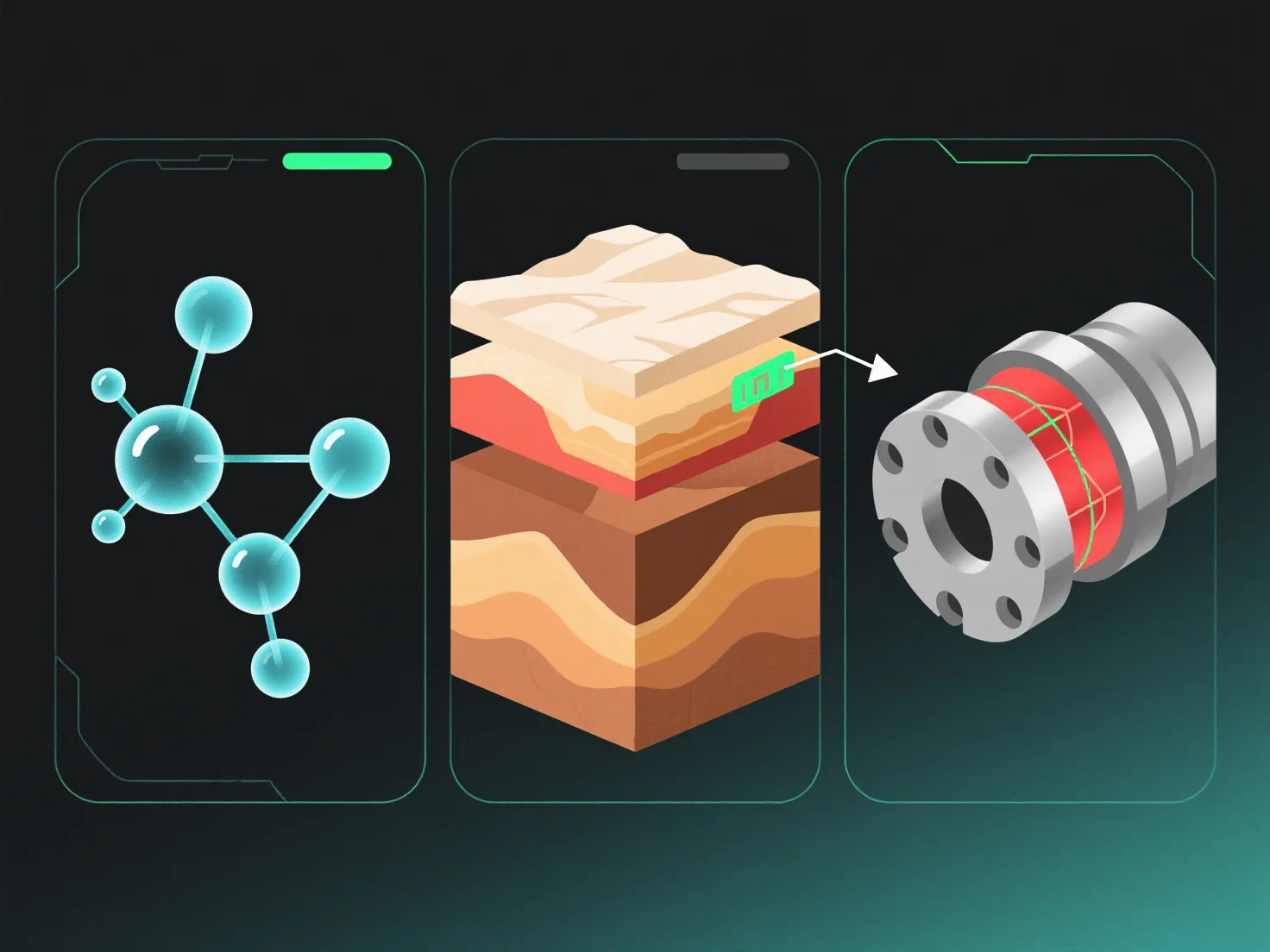
Las aplicaciones típicas del modelado 3D en la investigación científica incluyen visualizar estructuras complejas, simular procesos dinámicos y permitir el análisis colaborativo.
Transforma datos abstractos en representaciones 3D tangibles, mejorando la comprensión y la comunicación de los hallazgos por parte de los investigadores a través de renderizaciones y visualizaciones detalladas.
Aplicaciones clave en diferentes disciplinas: - Biología: Modelar estructuras moleculares (por ejemplo, proteínas) o sistemas de órganos para estudiar interacciones y funciones. - Geología: Reconstruir terrenos, formaciones rocosas o estructuras subsuperficiales para analizar procesos geológicos. - Arqueología: Restaurar digitalmente artefactos o sitios antiguos para su preservación y estudio detallado. - Física: Simular colisiones de partículas o dinámica de fluidos para probar hipótesis y predecir resultados. - Ciencia del clima: Crear modelos 3D de sistemas meteorológicos, glaciares o ciclos de carbono para estudiar los impactos del cambio climático.
Para nuevos investigadores, las herramientas de código abierto como Blender ofrecen un punto de partida práctico para explorar el modelado 3D en su campo.