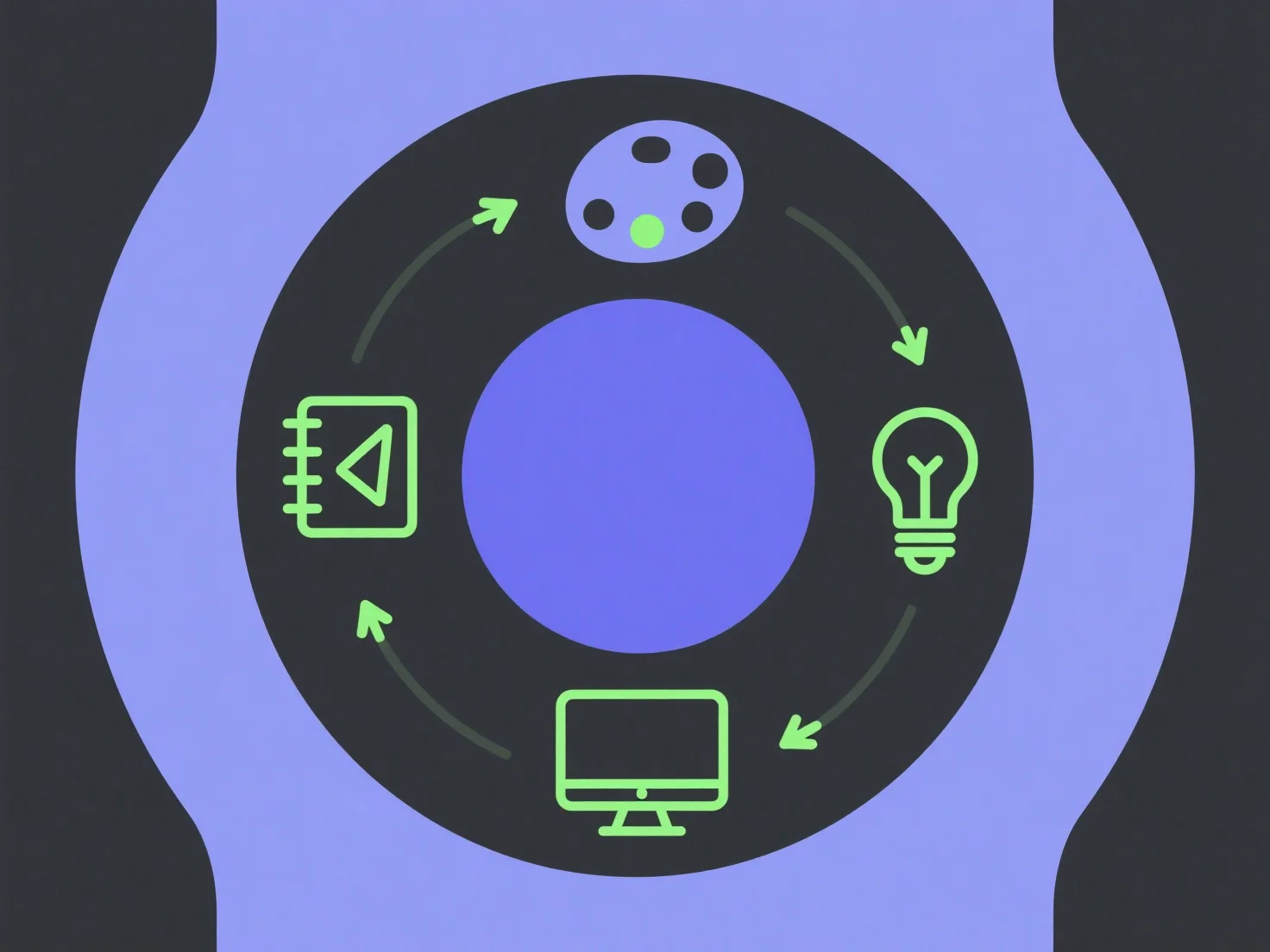
Las etapas típicas del proceso de modelado 3D incluyen el diseño conceptual, el modelado 3D, la texturización, el aparejo, la animación y el renderizado. Cada etapa progresa de manera secuencial: - Diseño conceptual: Define la apariencia y la estructura del objeto mediante bocetos o referencias para guiar el flujo de trabajo. - Modelado 3D: Construye la forma básica utilizando software (por ejemplo, Blender, Maya) para crear una malla o un alambrado. - Texturización: Añade detalles de superficie como color, patrones y materiales para mejorar el realismo. - Aparejo: Crea un esqueleto (huesos/articulaciones) para permitir el movimiento en modelos dinámicos. - Animación: Manipula el aparejo para animar secuencias de movimiento (por ejemplo, movimientos de personajes). - Renderizado: Genera la salida visual final con iluminación y efectos para un resultado pulido. Este proceso estructurado garantiza la claridad, haciendo que sea más fácil refinar cada etapa y lograr modelos 3D profesionales.


¿Cuáles son las etapas típicas del proceso de modelado 3D?
El proceso de modelado 3D tiene etapas secuenciales: diseño conceptual, modelado 3D, texturizado, aparejo, animación y renderizado.