


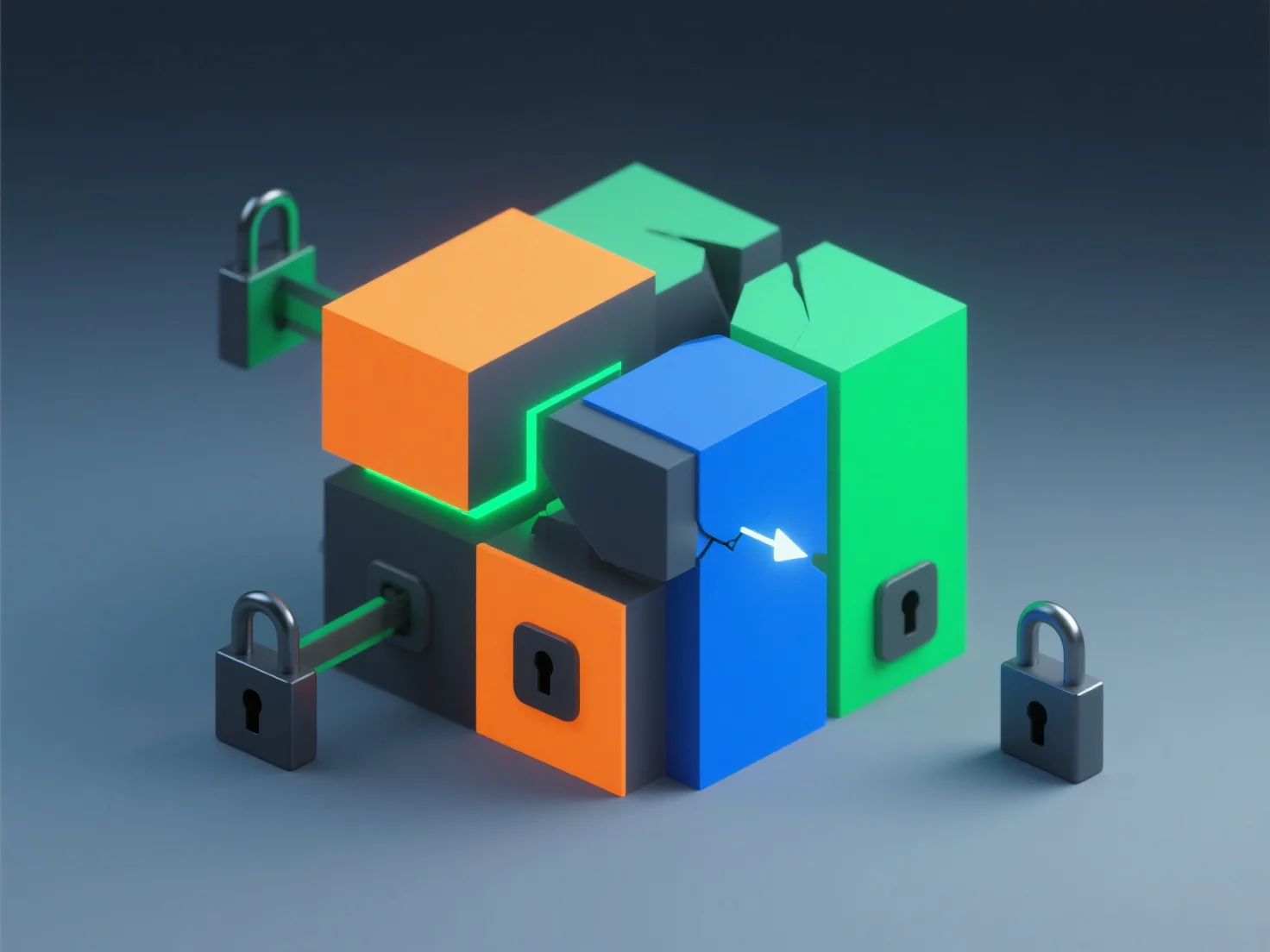
Los principales riesgos de los estándares patentados en flujos de trabajo 3D incluyen la dependencia de un proveedor, la interoperabilidad limitada y la posible inaccesibilidad de los activos, lo que reduce la flexibilidad y aumenta los costos a largo plazo.
- **Dependencia del proveedor**: Depender de los estándares patentados de un solo proveedor restringe el cambio a otras herramientas, creando una dependencia que puede aumentar los costos de licencia o actualización con el tiempo. - **Barreras de interoperabilidad**: Los formatos cerrados dificultan la transferencia de datos entre diferentes software 3D, requiriendo herramientas de conversión adicionales y, a menudo, causando pérdida de datos (por ejemplo, texturas, animaciones) durante las transferencias. - **Vulnerabilidad de los activos**: Si un proveedor finaliza el soporte para su formato patentado, los activos existentes pueden volverse inaccesibles, lo que supone un riesgo de pérdida permanente de valiosos trabajos 3D.
Para mitigar estos riesgos, realice copias de seguridad periódicas de los activos en formatos abiertos y ampliamente compatibles, como OBJ o glTF.