


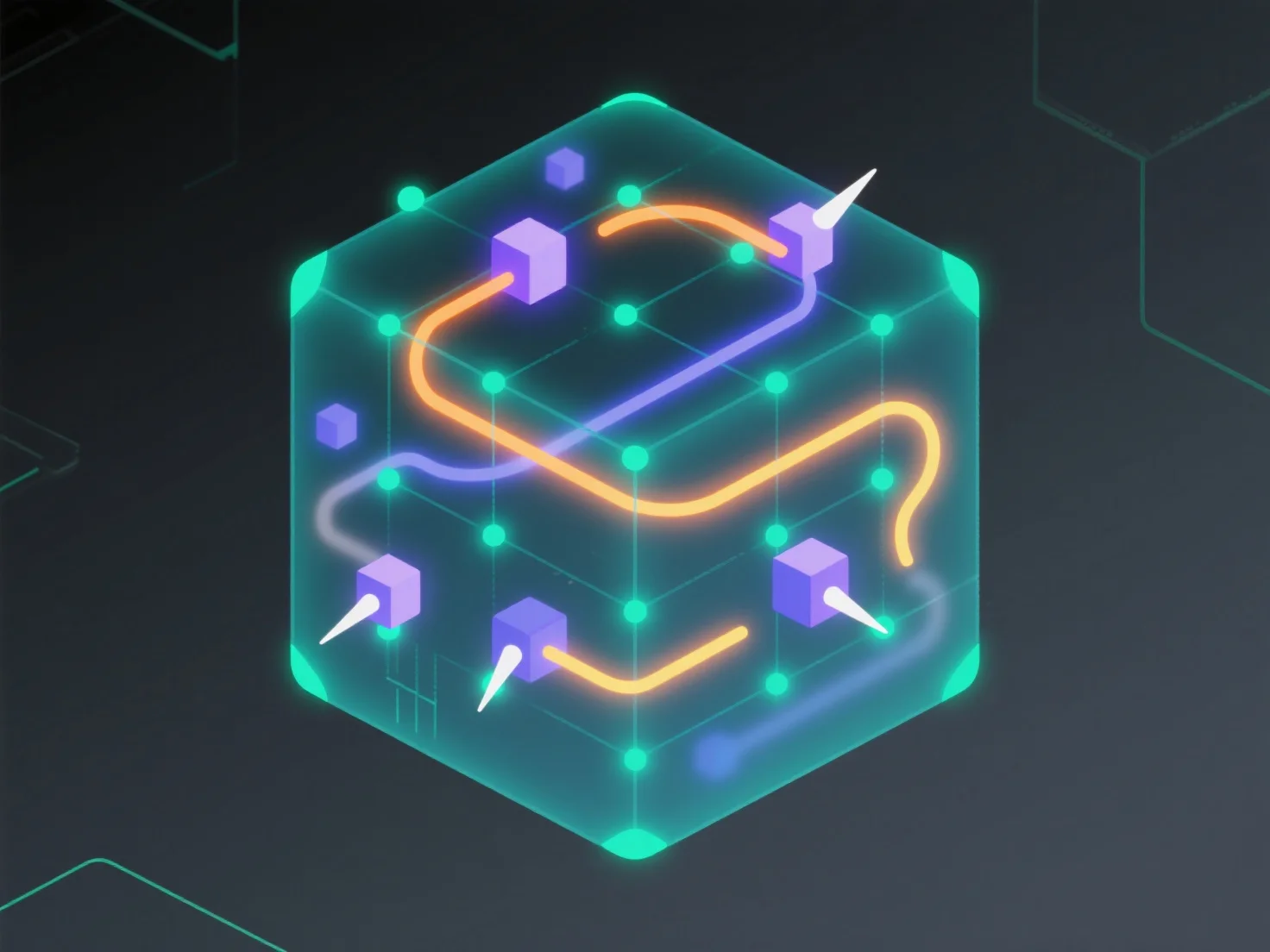
La IA espacial mejorará significativamente los futuros sistemas 3D al permitir la comprensión espacial en tiempo real y la interacción adaptativa con entornos físicos, haciéndolos más inteligentes y centrados en el usuario.
Los impactos clave en diversas industrias incluyen: - Arquitectura: Refinar automáticamente los diseños de edificios en 3D mediante el análisis de datos espaciales del mundo real (por ejemplo, terreno, luz solar), mejorando la precisión y reduciendo las iteraciones de diseño. - Fabricación: Permitir controles de calidad en 3D en tiempo real mediante la interpretación de las relaciones espaciales de los componentes, minimizando los errores durante la producción. - AR/VR: Crear espacios virtuales en 3D que se ajusten dinámicamente a los movimientos del usuario y a las entradas ambientales, aumentando la inmersión y la interactividad.
En última instancia, la IA espacial hará que los sistemas 3D sean más adaptables, intuitivos y alineados con las necesidades del mundo real, impulsando la innovación en todos los sectores.