


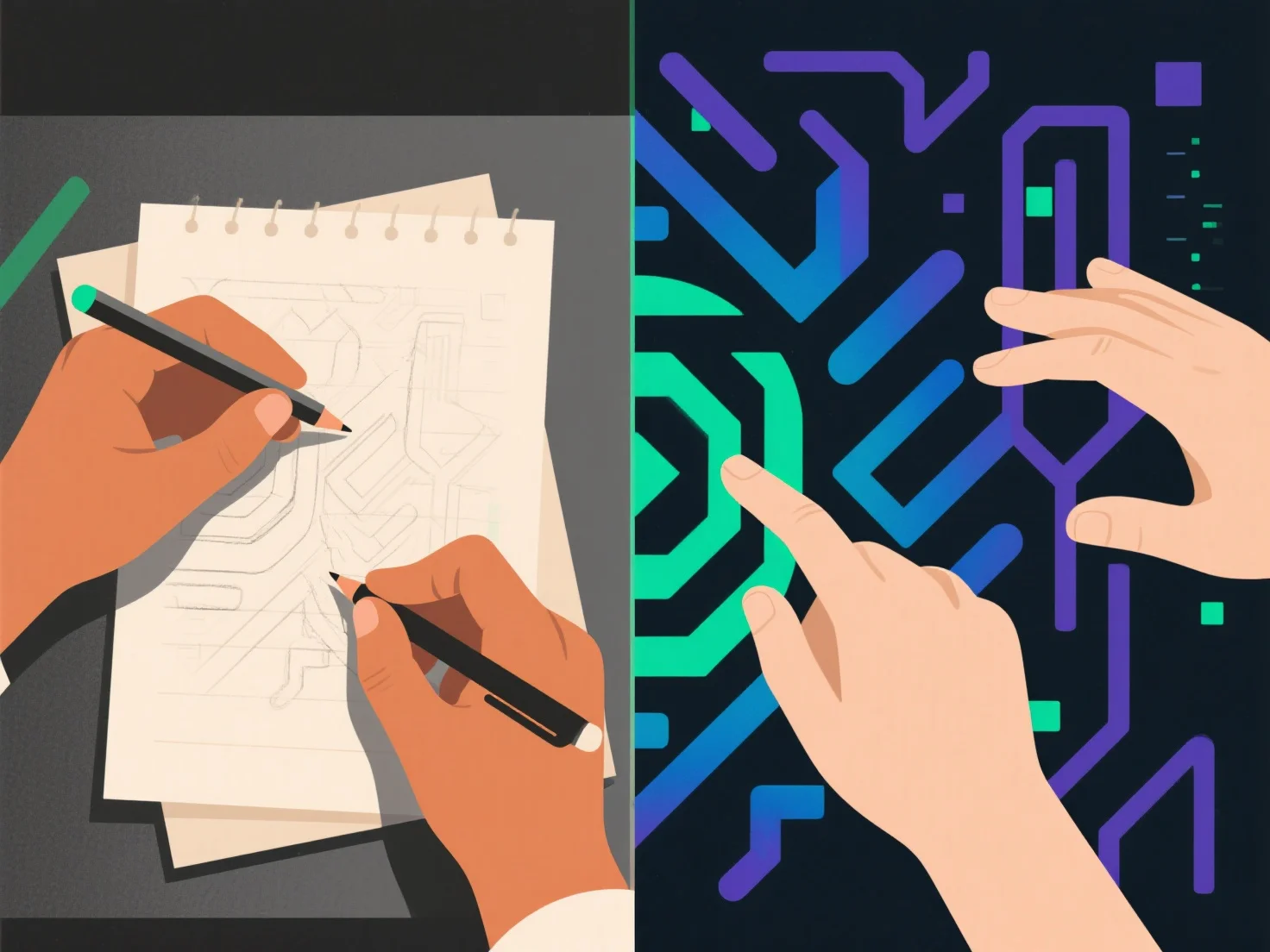
La generación de contenido procedimental (PCG) está alterando los roles de producción al automatizar tareas repetitivas, cambiando el enfoque de la creación manual de activos hacia la dirección creativa y el diseño de sistemas.
Reduce el trabajo manual para roles como modeladores 3D y artistas de entornos, quienes ahora pasan de construir activos a
Las aplicaciones clave de la industria incluyen: - Juegos: los artistas de entornos definen reglas de bioma en lugar de esculpir cada paisaje manualmente. - Cine/Animación: los diseñadores de accesorios establecen parámetros para escenas de multitudes u objetos de fondo, reduciendo el modelado repetitivo. - Arquitectura: los diseñadores crean componentes de edificios paramétricos a través de reglas, evitando el modelado de elementos individuales.
Para los equipos que integran PCG, capacitar a los roles existentes en lógica algorítmica básica o colaborar con artistas técnicos para prototipar sistemas facilita la transición.