


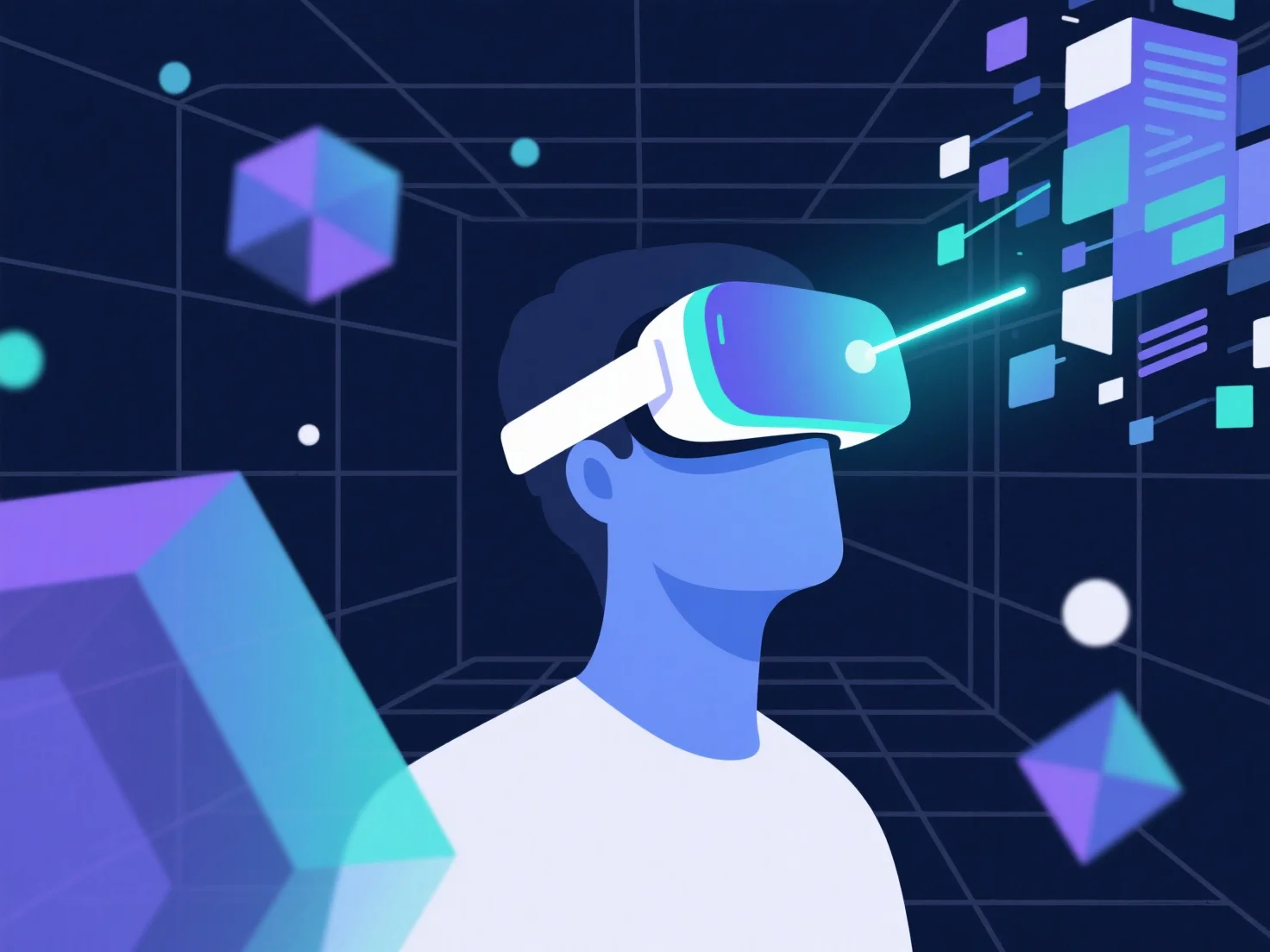
La tecnología 3D está evolucionando a través de una renderización mejorada, un seguimiento espacial en tiempo real e integración multiplataforma para apoyar la computación espacial inmersiva.
Los avances clave incluyen: 1) Renderizado avanzado.
Para aquellos que exploran la computación espacial, el uso de herramientas 3D con colaboración en tiempo real ayuda a comprender cómo estas evoluciones dan forma a experiencias inmersivas.