


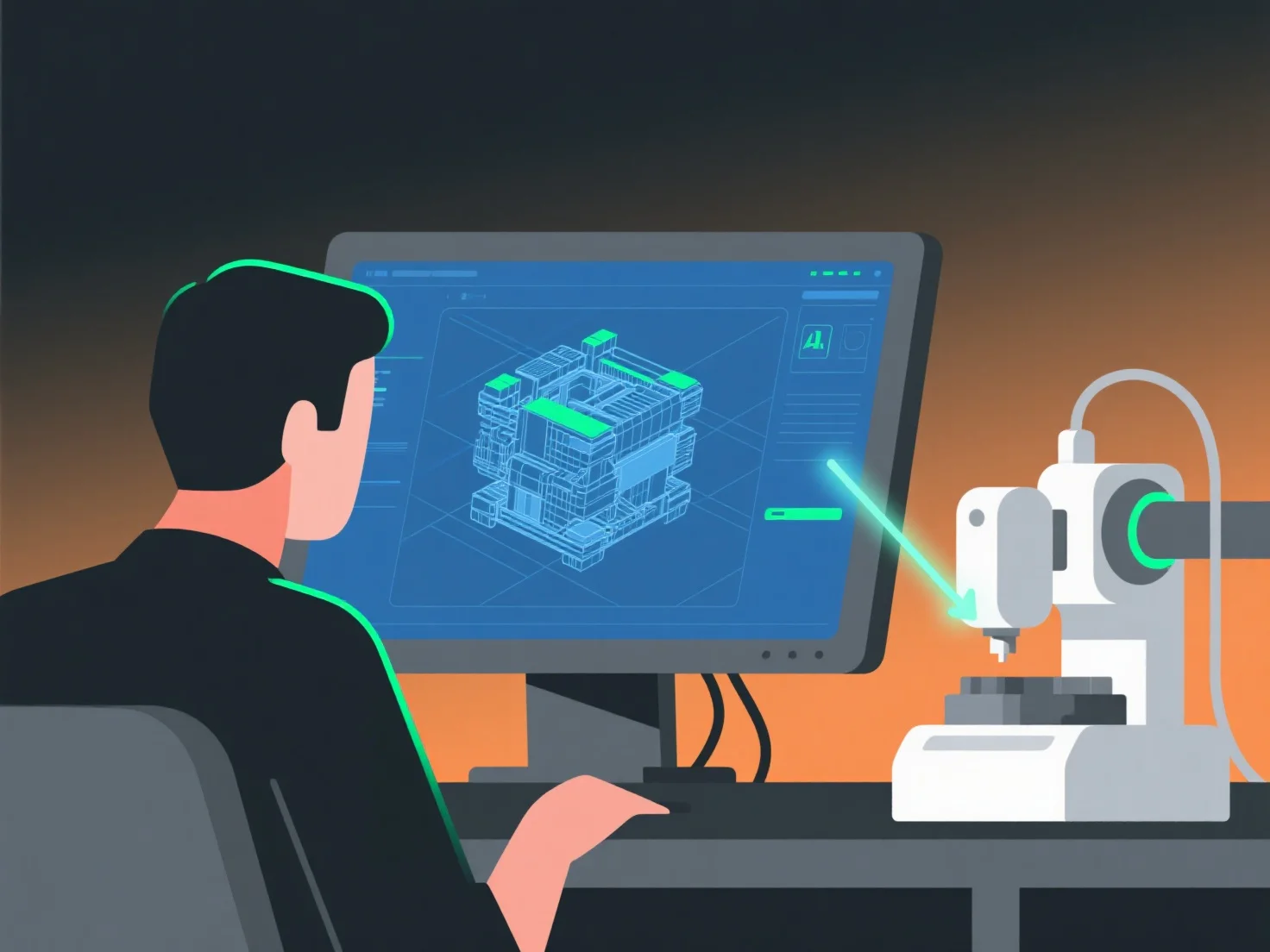
El modelado 3D es un habilitador fundamental en los flujos de trabajo de diseño a producción, uniendo el diseño conceptual y la fabricación a través de prototipos digitales, validación y preparación para la producción.
Los usos clave incluyen: - **Prototipado digital**: Los diseñadores crean modelos 3D detallados para visualizar conceptos, reemplazando los bocetos 2D por una comunicación más clara y precisa. - **Validación y pruebas**: Los modelos se someten a simulaciones (por ejemplo, pruebas de estrés y de ajuste) para identificar fallas de manera temprana, lo que reduce los errores de producción y los costos de retrabajo. - **Alineación de fabricación**: Los archivos 3D optimizados se introducen directamente en las herramientas de producción (impresoras 3D, máquinas CNC), asegurando que la intención del diseño se traduzca sin problemas en productos físicos.
Esta integración simplifica los flujos de trabajo, acelera el tiempo de comercialización y garantiza la coherencia desde el diseño hasta la producción final.