


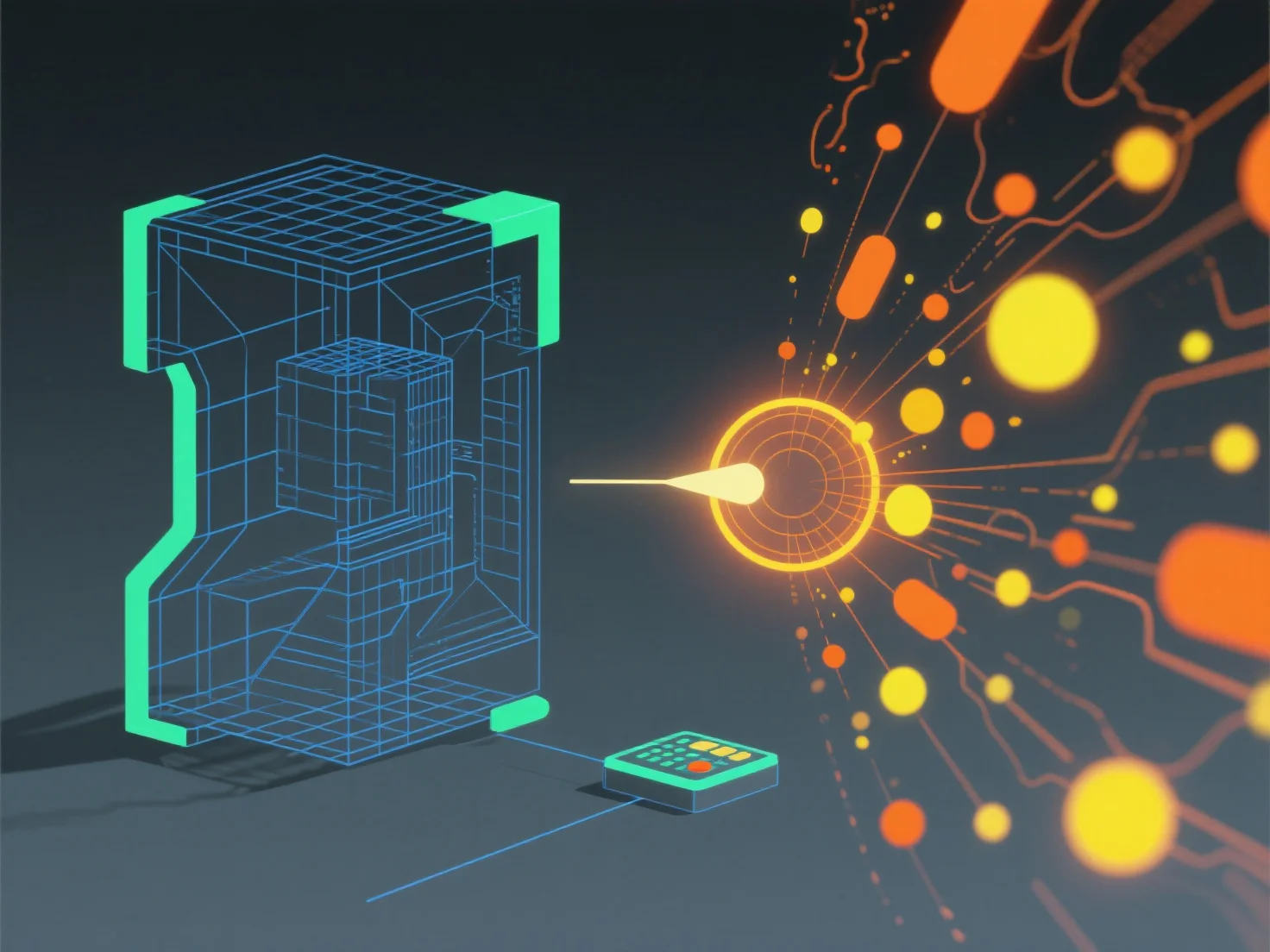
El modelado 3D en entornos de simulación se implementa mediante la creación de réplicas digitales de objetos o escenas con atributos físicos, espaciales o de comportamiento precisos para permitir interacciones realistas.
Primero, define los elementos visuales fundamentales: geometría (formas, dimensiones) y texturas (colores, materiales) para replicar la apariencia, asegurando que el modelo coincida visualmente con sus equivalentes del mundo real.
A continuación, establezca parámetros físicos, como la masa, la fricción o las reglas de colisión, para imitar el comportamiento del mundo real. De esta forma, los objetos se mueven, chocan o responden de manera auténtica.
Luego, integra estos modelos en plataformas de simulación.
Este proceso admite escenarios como la formación en maquinaria virtual, simulacros de desastres o la validación de prototipos de productos, ofreciendo experiencias de simulación dinámicas y realistas.