


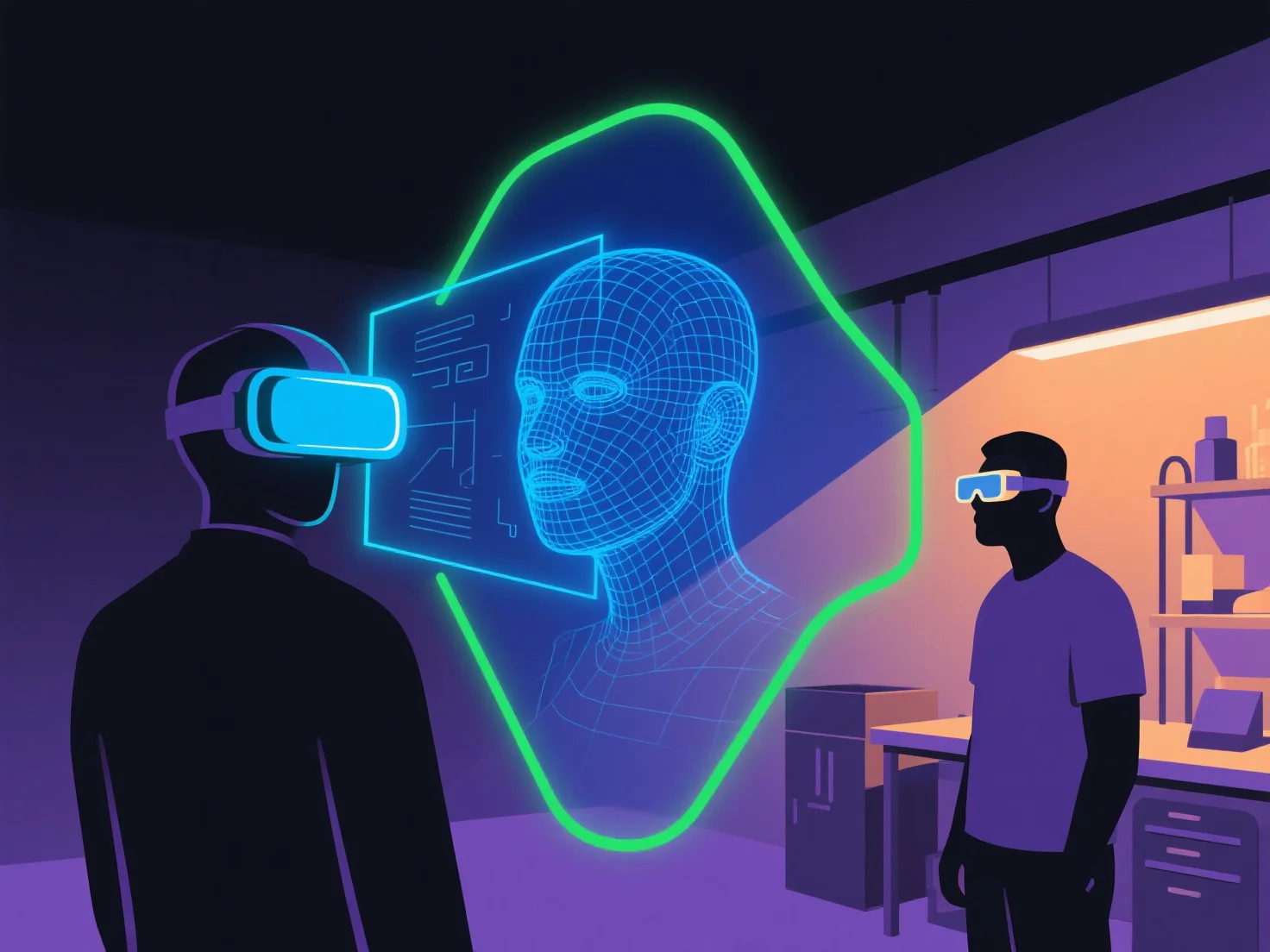
El modelado 3D se implementa en soluciones de RV y RA mediante la creación de activos digitales básicos, como objetos 3D, entornos o personajes, que los sistemas convierten en experiencias visuales inmersivas. Estos modelos constituyen la base de los mundos totalmente virtuales de la RV y las superposiciones del mundo real de la RA, lo que permite interacciones interactivas y realistas por parte del usuario.
- **Fundamentos para la inmersión**: La RV se basa en modelos 3D detallados para construir mundos virtuales completos, mientras que la RA los utiliza para superponer elementos digitales sobre la realidad, asegurando la coherencia visual entre los espacios digitales y físicos. - **Habilitación de la interacción**: Los modelos apoyan la participación del usuario, como manipular objetos en juegos de RV o acceder a los detalles del equipo en la formación de RA, mejorando la interactividad. - **Optimización del rendimiento**: Se priorizan los modelos de baja poligonización para garantizar una renderización fluida, fundamental para mantener la inmersión, especialmente en los prototipos iniciales.
Las aplicaciones comunes incluyen juegos de realidad virtual (entornos interactivos), entrenamiento de realidad aumentada (superposiciones de equipos) y visitas virtuales (espacios 3D realistas).