


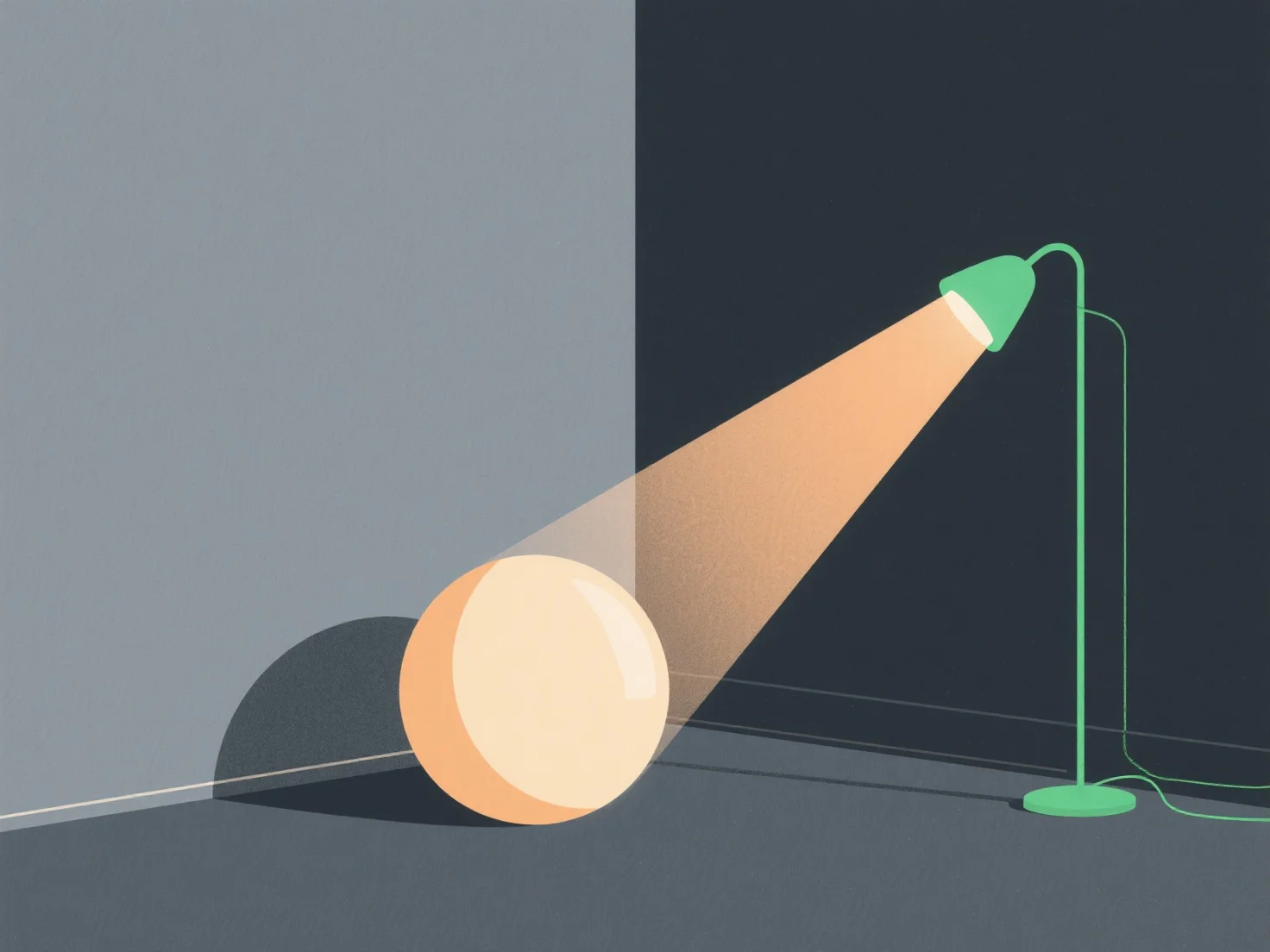
La iluminación de rebote en el renderizado 3D funciona simulando rayos de luz que se reflejan en las superficies y luego iluminan otros objetos o áreas, imitando la iluminación indirecta del mundo real para mejorar el realismo de la escena.
Funciona a través de pasos clave: - **Emisión directa de luz**: Los rayos iniciales provienen de fuentes primarias (por ejemplo, sol, lámparas). - **Interacción con la superficie**: Los rayos golpean las superficies, que absorben parte de la luz y reflejan el resto en función de propiedades como el albedo (reflectividad) y la textura. - **Iluminación indirecta**: Los rayos reflejados actúan como fuentes secundarias, iluminando objetos cercanos o regiones sombreadas.
Al tener en cuenta estos rayos rebotados, las escenas en 3D obtienen sombras más suaves, una mezcla de colores naturales y profundidad, lo que hace que los renders se vean realistas en lugar de planos.