


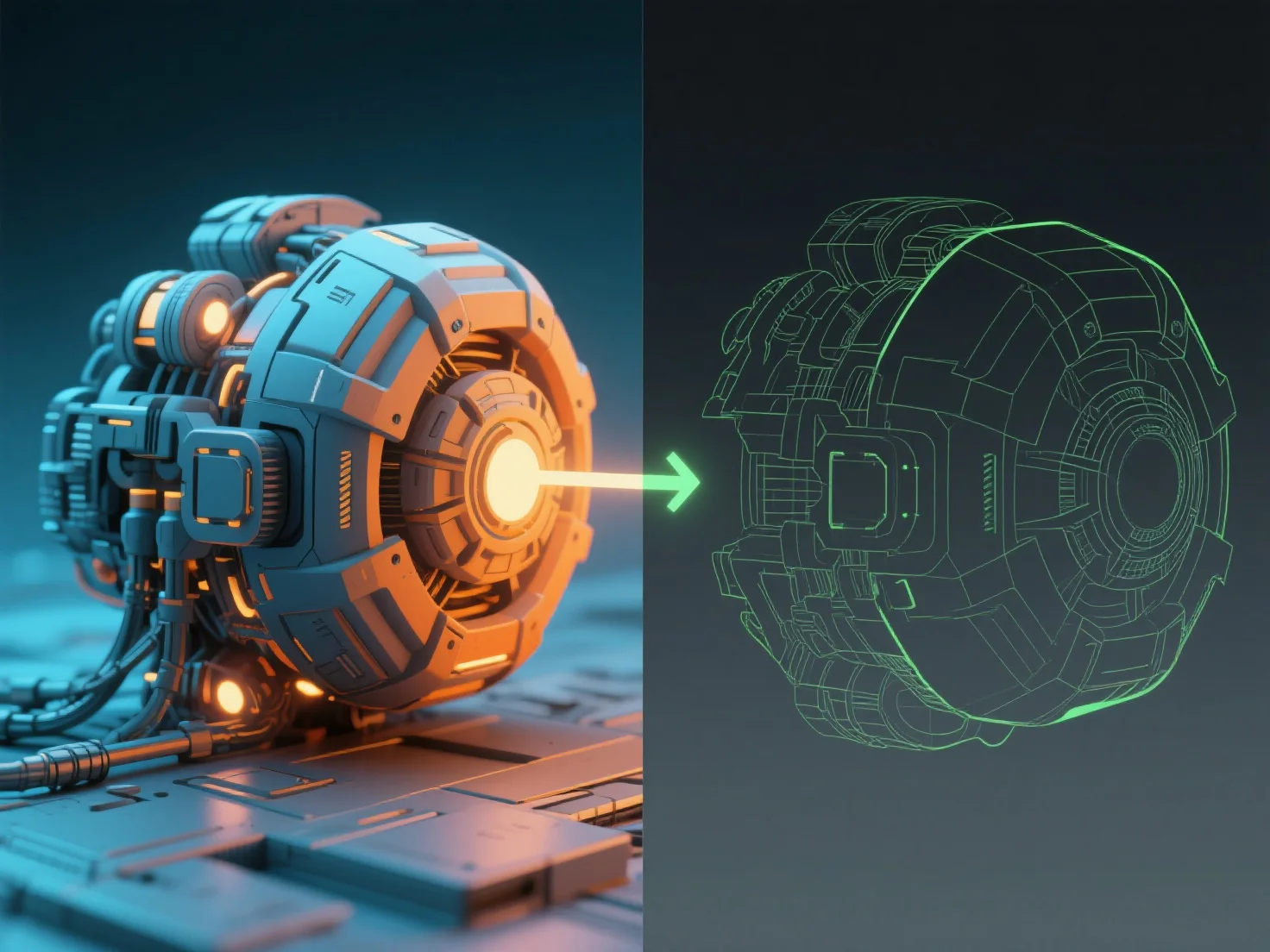
La composición de un modelo 3D, que incluye el número de polígonos, el tamaño de la textura y la complejidad geométrica, afecta directamente el rendimiento en tiempo real: una mayor complejidad aumenta la carga de renderizado, lo que conduce a velocidades de fotogramas más lentas, retrasos o tartamudez.
Elementos clave de la composición y sus impactos: - Cantidad de polígonos: Los polígonos excesivos sobrecargan la GPU, causando caídas de fotogramas en juegos o AR/VR; reducir los polígonos no esenciales mejora la velocidad de procesamiento. - Tamaño de la textura: Las texturas grandes y sin comprimir aumentan el uso de memoria, ralentizando la carga y la renderización; las texturas comprimidas o de menor resolución alivian esta carga. - Detalles geométricos: Formas excesivamente intrincadas.
Para optimizar, equilibre la composición reduciendo los polígonos, utilizando texturas comprimidas o implementando técnicas de nivel de detalle (LOD) para mantener el rendimiento en tiempo real.