


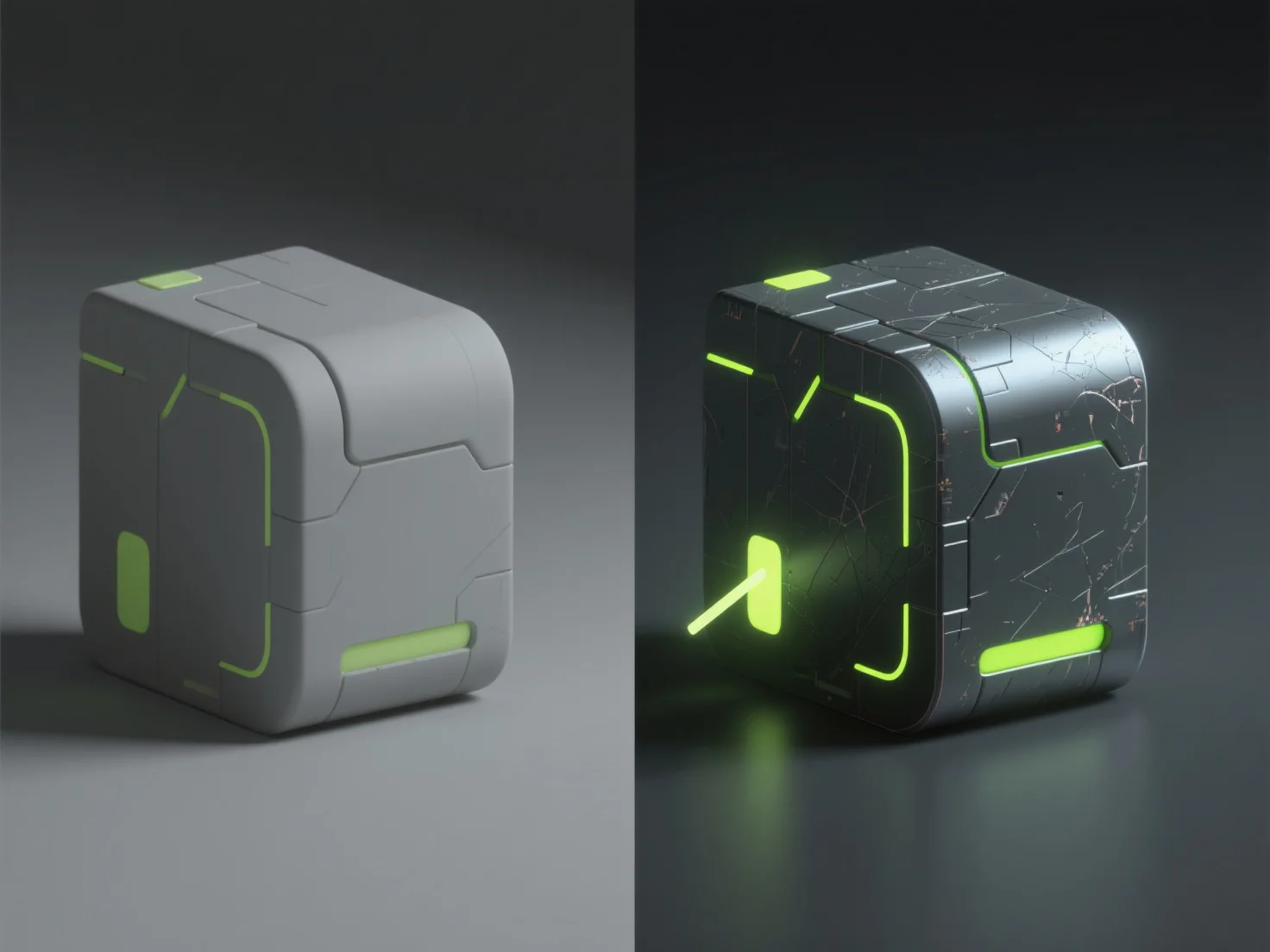
La elección del motor de renderizado afecta directamente los estándares de calidad 3D al moldear la fidelidad visual, el rendimiento y las capacidades de las características.
Los motores de renderizado difieren en el procesamiento de la iluminación, las texturas y la geometría, estableciendo expectativas de calidad básicas. Algunos priorizan el fotorrealismo, otros la velocidad en tiempo real.
Aplicaciones clave de la industria y sus estándares: - Juegos: Motores en tiempo real (por ejemplo, Unity, Unreal) se centran en la velocidad de fotogramas y la interactividad, estableciendo estándares para un movimiento fluido y detalles de activos optimizados que se ajusten al hardware objetivo. - Cine/Animación: Renderizadores fuera de línea (por ejemplo, Arnold, Redshift) enfatizan la iluminación avanzada y las texturas de alta resolución, elevando los estándares para visuales realistas en contenido pre-renderizado. - Arquitectura: Motores especializados.
Para cumplir con estándares de calidad 3D específicos, alinee las fortalezas del motor, como la velocidad en tiempo real o el detalle cinematográfico, con los objetivos del proyecto para obtener resultados óptimos.