


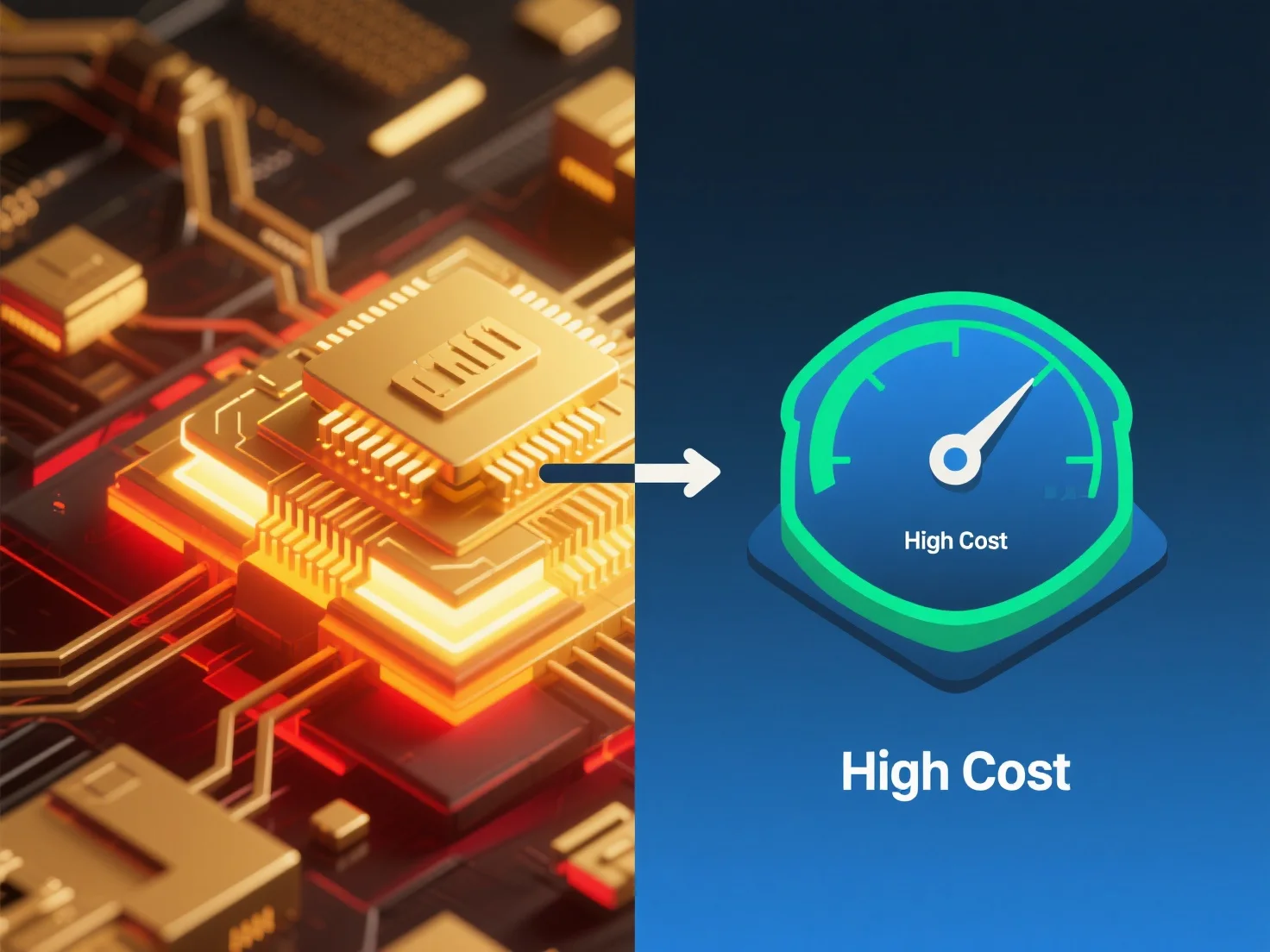
El trazado de rayos en tiempo real generalmente aumenta los costos de renderizado en el modelado 3D al exigir recursos computacionales más altos.
Los principales factores que impulsan los costos incluyen: - **Cálculos complejos**: Simula dinámicamente las trayectorias de la luz, lo que implica cálculos intensivos en tiempo real que sobrecargan el hardware. - **Requisitos de hardware**: A menudo se necesitan GPU de alta gama, CPU de múltiples núcleos o núcleos RT especializados para manejar estas tareas. - **Gastos directos**: En juegos o visualización en vivo, actualizar el hardware para admitir el trazado de rayos aumenta directamente los costos de renderizado. - **Soluciones de presupuesto**: Optimizaciones como limitar los rebotes de luz ayudan a equilibrar los efectos y los gastos para proyectos con restricciones presupuestarias.
En general, su impacto en los costos se deriva de cálculos que requieren muchos recursos y necesidades de hardware, aunque las optimizaciones estratégicas pueden mitigar los gastos.