Inicio/Hitem3D FAQ/How does offline rendering allow for more realistic simulations compared to real-time rendering?

How does offline rendering allow for more realistic simulations compared to real-time rendering?

Offline rendering enables more realistic simulations than real-time by avoiding speed constraints for intensive, detailed processing.

How does offline rendering allow for more realistic simulations compared to real-time rendering?

Offline rendering allows for more realistic simulations than real-time rendering by not being constrained by real-time speed requirements, enabling more computationally intensive and detailed processing.

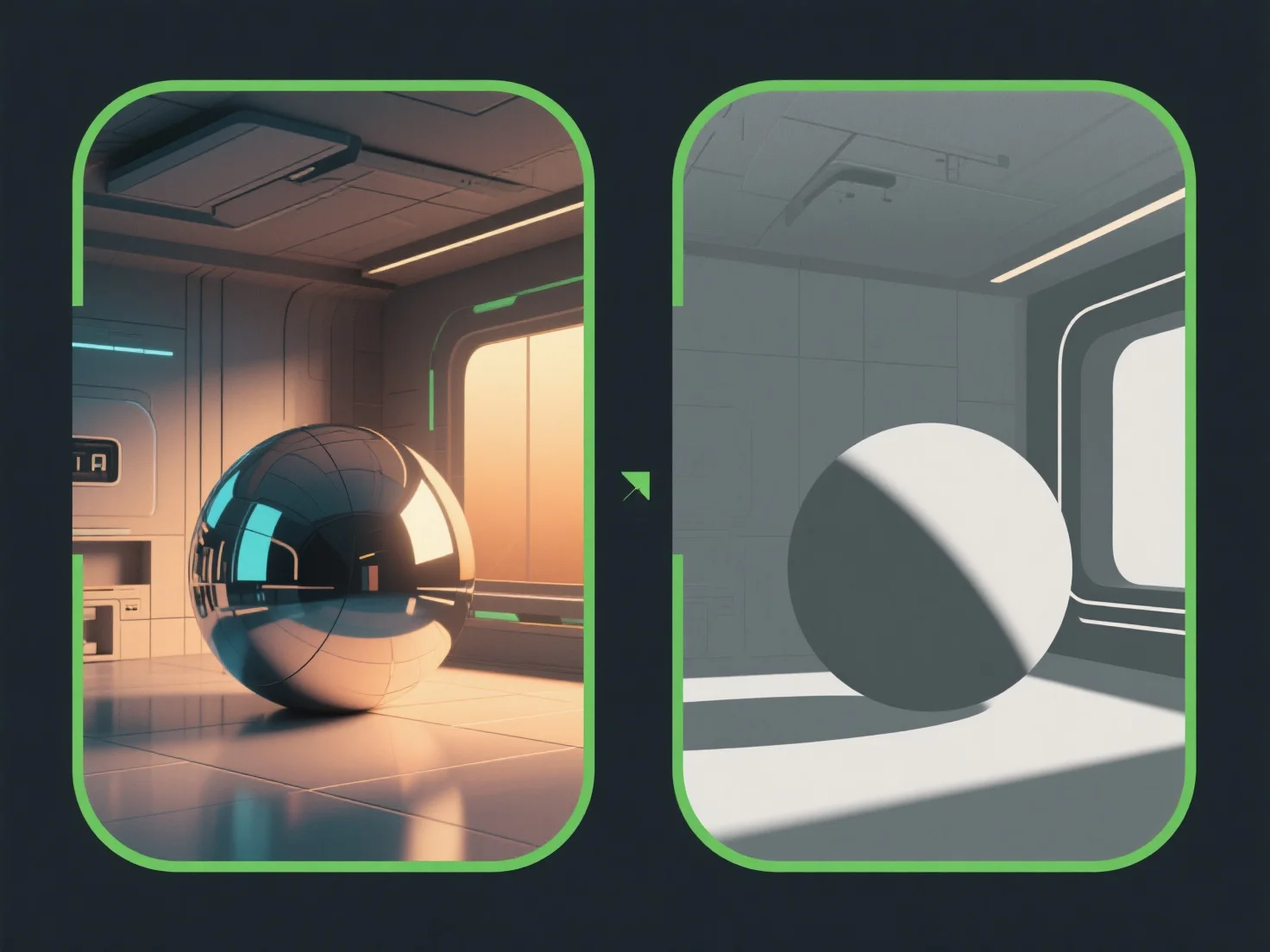
Real-time rendering prioritizes instant frame output (e.g., in video games or live previews), which limits complexity—simplified lighting, lower texture resolution, and basic physics simulations. Offline rendering, used in film, architectural visualization, or high-end animations, has no such speed constraints. It can allocate more time to process advanced techniques like global illumination (for natural light interaction), ray tracing (for accurate reflections/shadows), and high-resolution textures, resulting in lifelike lighting, material accuracy, and intricate details that closely mimic real-world physics and appearance.

AnteriorSiguiente
Producto
Web Studio
Plataforma API
Funciones
Imagen a 3D
Multivista a 3D
Relieve
Segmentación
Modelos
Modelo general
Modelo de retrato
Recursos
Blog
Preguntas frecuentes
Documentación API
Acerca de nosotros
Precios