


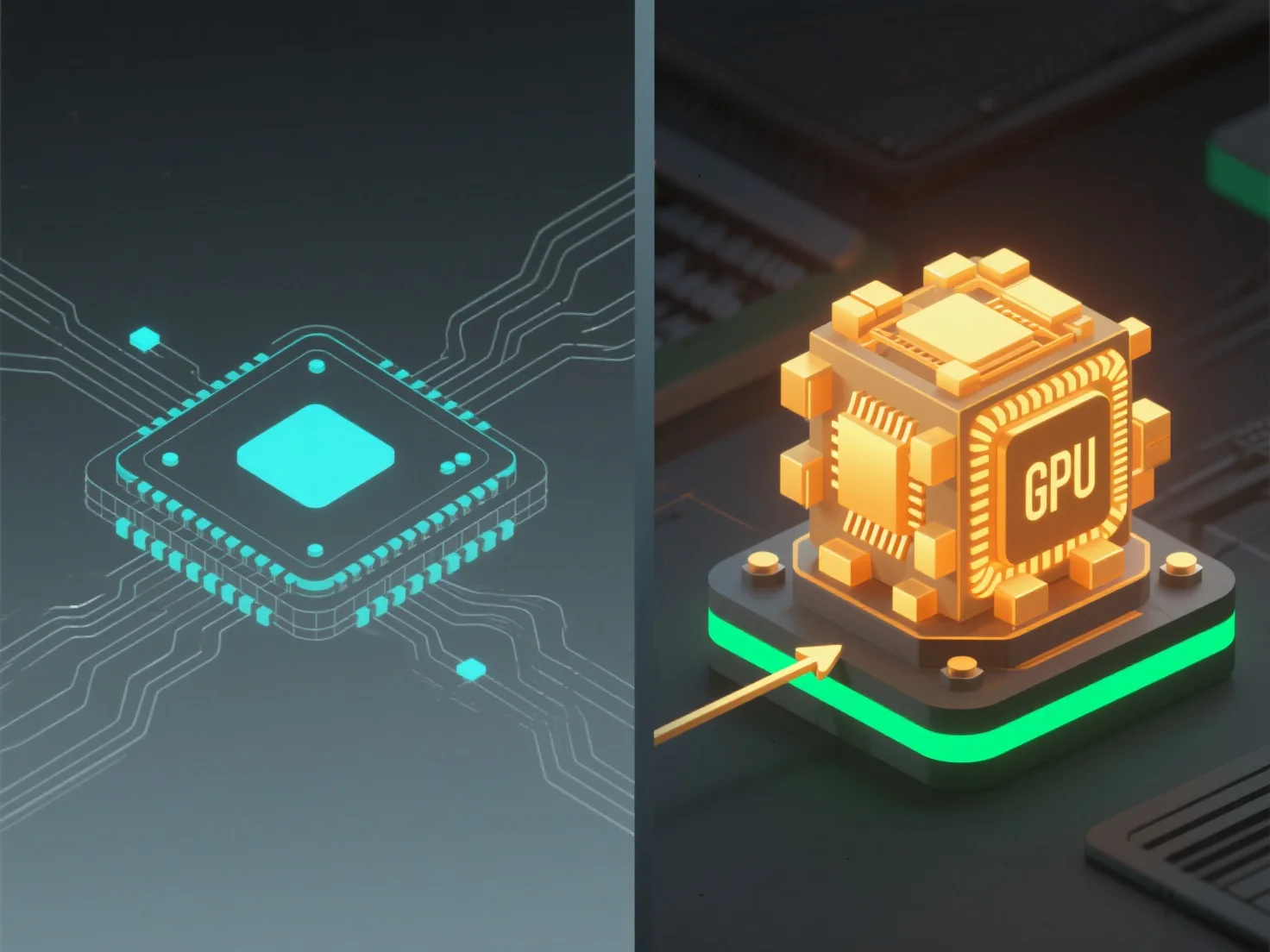
La aceleración de la GPU mejora significativamente el rendimiento de la renderización 3D al aprovechar el procesamiento paralelo para manejar las tareas de renderización de manera más eficiente que los flujos de trabajo solo de CPU.
Las GPU cuentan con miles de núcleos paralelos optimizados para cálculos simultáneos, a diferencia de las CPU, que tienen menos núcleos de alta potencia. Esta arquitectura sobresale en tareas específicas de renderizado como el sombreado de píxeles, el mapeo de texturas y los cálculos de iluminación, que requieren procesar múltiples puntos de datos a la vez.
Al descargar estas tareas, la aceleración de la GPU reduce el tiempo de renderizado de escenas complejas, como aquellas con un alto número de polígonos, texturas detalladas o efectos avanzados como el trazado de rayos. Esto acorta los ciclos del proyecto y mejora la eficiencia del flujo de trabajo.
En resumen, la aceleración de GPU aumenta la velocidad, maneja mejor el contenido de alto detalle y agiliza los flujos de trabajo de renderizado 3D, lo que la hace esencial para profesionales en animación, juegos y visualización.