


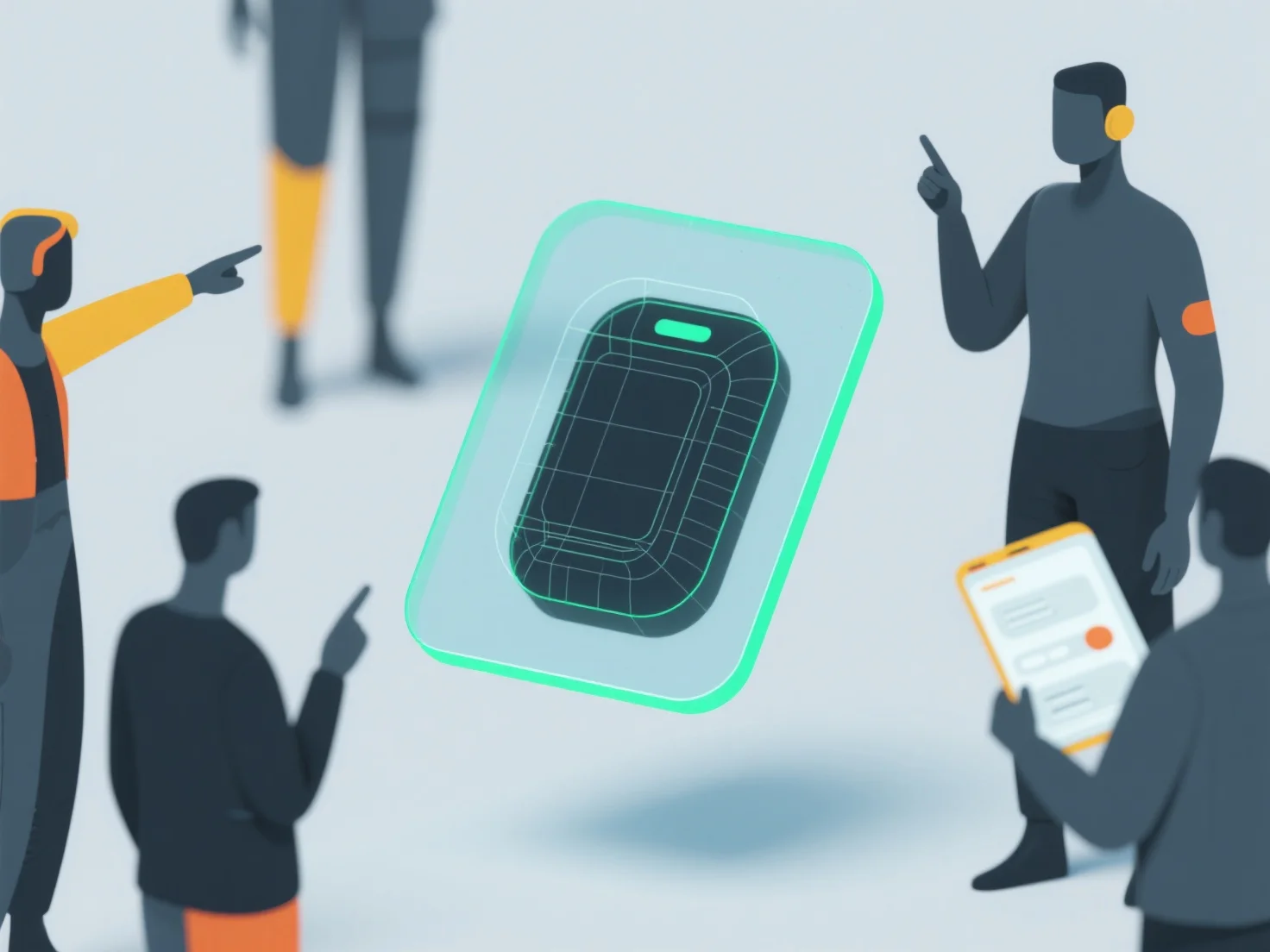
El modelado 3D respalda los principios de diseño centrados en el usuario al permitir una visualización tangible de las necesidades del usuario, un refinamiento iterativo basado en la retroalimentación y pruebas tempranas con los usuarios, lo que garantiza que los productos se ajusten a la usabilidad y las expectativas del usuario.
- **Visualización tangible**: Transforma los requisitos abstractos del usuario en modelos 3D concretos, haciendo que las formas, funciones e interacciones del producto sean intuitivas para que tanto los diseñadores como los usuarios puedan entenderlos.
- **Refinamiento iterativo**: Los diseñadores pueden ajustar rápidamente los modelos 3D en función de los comentarios de los usuarios, lo que permite una optimización continua de la usabilidad sin una revisión importante, manteniendo el diseño centrado en las necesidades del usuario.
- **Pruebas de usuario tempranas**: los prototipos 3D permiten pruebas tempranas de usuario, ayudando a identificar puntos de dolor.
En resumen, el modelado 3D une las necesidades del usuario y la ejecución del diseño, mejorando la eficiencia y la efectividad de la implementación del diseño centrado en el usuario.